The Importance of Resilience Building Strength
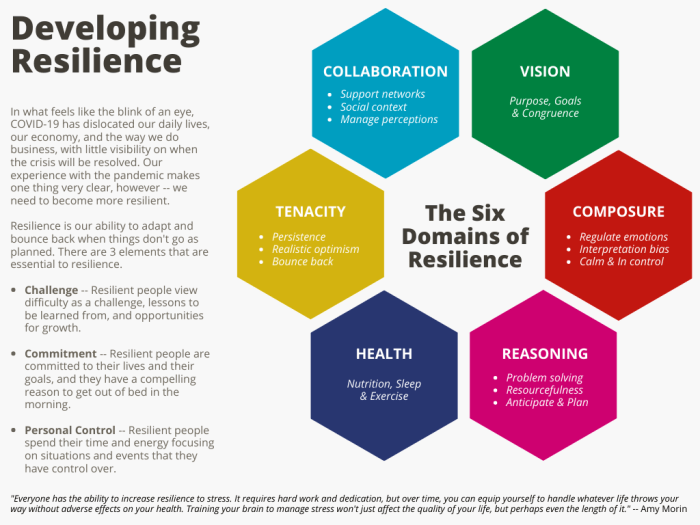
The importance of resilience sets the stage for understanding our capacity to overcome adversity. This exploration delves into the multifaceted nature of resilience, examining its psychological, emotional, and social dimensions. We will explore practical strategies for building resilience, including stress management techniques, mindfulness practices, and the utilization of available support resources. The journey towards greater resilience is a personal one, and this guide offers tools and insights to navigate that path effectively.
From managing daily stress and anxiety to overcoming significant life challenges, resilience acts as a buffer, enabling individuals to adapt, learn, and grow in the face of hardship. This exploration covers various aspects, from understanding the core components of resilience to practical applications in different life contexts, including the workplace and personal relationships. The ultimate aim is to empower readers with the knowledge and tools to cultivate their own resilience and foster a more fulfilling and resilient life.
Defining Resilience
Resilience is more than just bouncing back from adversity; it’s a multifaceted process involving the ability to adapt successfully to significant stressors and trauma. It’s a dynamic interplay of psychological, emotional, and social factors that allows individuals to navigate challenges, learn from setbacks, and ultimately thrive. Understanding this multifaceted nature is crucial to fostering resilience within ourselves and others.Resilience isn’t a static trait; it’s a skill developed and refined over time through experience and conscious effort.
It encompasses our ability to regulate emotions, maintain a positive outlook, and effectively utilize our social support networks. It’s about recognizing our strengths and leveraging them to overcome obstacles, rather than succumbing to feelings of helplessness or despair.
Examples of Resilient Individuals and Their Coping Mechanisms
Resilience manifests differently in various contexts. Consider a war veteran who, after experiencing severe trauma, actively seeks therapy and support groups, eventually transitioning to a fulfilling civilian life. Their coping mechanism involved actively engaging with their trauma through professional help and finding new purpose. In contrast, an entrepreneur who faced multiple business failures might demonstrate resilience by analyzing past mistakes, adapting their strategies, and persevering with renewed determination, leveraging their learning from previous setbacks.
These examples highlight the diverse ways resilience can be expressed and the individualized nature of coping strategies.
Identifying Personal Strengths and Vulnerabilities Related to Resilience
Recognizing our personal strengths and vulnerabilities is a foundational step in building resilience. Strengths might include optimism, problem-solving skills, strong social connections, and a sense of purpose. Vulnerabilities could involve a tendency towards negative self-talk, limited social support, past trauma, or a lack of coping skills. Identifying these aspects allows for a more targeted approach to enhancing resilience.
For example, someone who identifies a vulnerability in social support could actively seek to build stronger relationships, joining clubs or volunteering to expand their network. Conversely, someone with strong problem-solving skills can leverage this strength to navigate challenging situations more effectively. A self-assessment, possibly through journaling or reflection exercises, can be invaluable in this process.
Mindfulness Practices
Mindfulness practices offer a powerful pathway to cultivating resilience and managing the inevitable stresses of life. By focusing on the present moment without judgment, we can develop a greater awareness of our thoughts, feelings, and bodily sensations, equipping us to respond to challenges with greater clarity and composure. This enhanced self-awareness forms the bedrock of resilience, allowing us to navigate difficult situations more effectively.Mindfulness cultivates emotional regulation, a crucial component of resilience.
By observing our emotions without getting swept away by them, we gain the space to choose how we respond, rather than reacting impulsively. This mindful approach reduces the intensity of negative emotions and fosters a more balanced emotional landscape. Furthermore, mindfulness strengthens our ability to cope with adversity by promoting self-compassion and acceptance. Instead of harshly criticizing ourselves during challenging times, we can offer ourselves kindness and understanding, fostering a more supportive internal environment for healing and growth.
A Guided Meditation for Stress Reduction
This guided meditation is designed to cultivate mindfulness and reduce stress. Find a quiet space where you can sit or lie down comfortably. Close your eyes gently. Begin by focusing on your breath, noticing the sensation of the air entering and leaving your nostrils. Pay attention to the rise and fall of your chest or abdomen.
If your mind wanders—and it will—simply acknowledge the thought without judgment and gently redirect your attention back to your breath. Continue this for five minutes, noticing the natural rhythm of your breathing. Next, expand your awareness to include other sensations in your body, noticing any tension or discomfort. Acknowledge these sensations without trying to change them. Allow yourself to simply be present with your body.
Continue for another five minutes. Finally, bring your awareness to the sounds around you, noticing them without judgment. Listen to the subtle sounds, and the more prominent ones, without attaching any meaning or emotion to them. Remain in this state of awareness for another five minutes. When you are ready, slowly open your eyes, carrying the sense of calm and presence with you into your day.
A Weekly Mindfulness Schedule
Integrating mindfulness into your daily routine can significantly enhance your resilience. This sample schedule provides a framework for incorporating various mindfulness practices throughout the week. Consistency is key; even short, regular practices are more effective than infrequent, longer ones.
This schedule incorporates mindful breathing, mindful walking, and mindful eating – three easily accessible practices that can significantly impact your stress levels and overall well-being.
| Day | Mindfulness Practice | Duration | Description |
|---|---|---|---|
| Monday | Mindful Breathing | 5 minutes | Focus on your breath, noticing the sensation of the air entering and leaving your body. |
| Tuesday | Mindful Walking | 10 minutes | Pay attention to the sensations of your feet on the ground, the movement of your body, and the surrounding environment. |
| Wednesday | Mindful Breathing | 5 minutes | Focus on your breath, noticing the sensation of the air entering and leaving your body. |
| Thursday | Mindful Eating | 10 minutes | Pay attention to the taste, texture, and smell of your food. Eat slowly and savor each bite. |
| Friday | Mindful Walking | 10 minutes | Pay attention to the sensations of your feet on the ground, the movement of your body, and the surrounding environment. |
| Saturday | Mindful Breathing | 10 minutes | Focus on your breath, noticing the sensation of the air entering and leaving your body. |
| Sunday | Mindful Eating | 10 minutes | Pay attention to the taste, texture, and smell of your food. Eat slowly and savor each bite. |
Mental Health Advocacy: The Importance Of Resilience
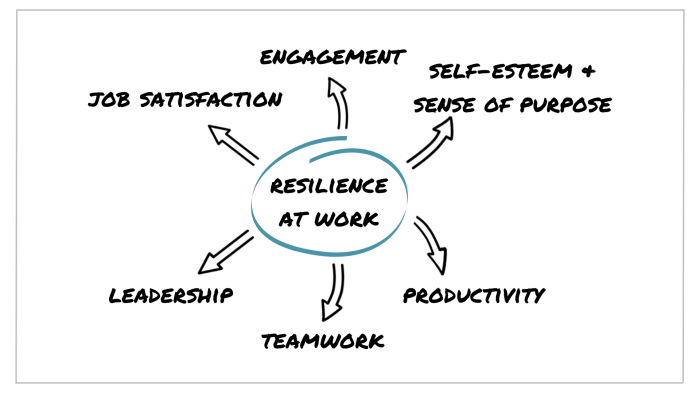
Mental health advocacy plays a crucial role in fostering a society that understands, supports, and prioritizes mental well-being. By actively challenging stigma and promoting access to quality care, advocates create a more inclusive and equitable environment for individuals facing mental health challenges. This work is vital for building resilience within communities and empowering individuals to thrive.Advocates work tirelessly to dismantle the pervasive stigma surrounding mental health issues.
This stigma prevents many from seeking help, leading to delayed treatment and worsening conditions. Effective advocacy strategies not only raise awareness but also actively challenge misconceptions and harmful stereotypes, creating space for open and honest conversations about mental health. Increased access to care is another key focus, as many individuals lack access to affordable and appropriate mental healthcare services, especially in underserved communities.
Successful Mental Health Advocacy Campaigns
Several successful campaigns illustrate the power of advocacy in transforming mental health landscapes. The “You Are Not Alone” campaign, for instance, utilized social media to connect individuals struggling with mental health issues and foster a sense of community. The campaign’s relatable messaging and use of personal stories effectively reduced stigma and encouraged help-seeking behavior. Another example is the work of organizations advocating for parity in mental health insurance coverage.
Through sustained lobbying and public awareness campaigns, they achieved significant legislative changes, ensuring that mental healthcare is treated with the same level of importance as physical healthcare in insurance plans. These legislative victories have broadened access to treatment for millions. The impact of these campaigns is measurable through increased help-seeking behavior, improved mental health outcomes, and reduced suicide rates in some populations.
A Social Media Campaign for Mental Health and Resilience
A social media campaign focused on mental health and resilience could leverage the power of visual storytelling and interactive engagement. The campaign, titled “Building Resilience: One Step at a Time,” would utilize a multi-platform approach, including Instagram, Twitter, and Facebook. The core message would be the importance of self-care, stress management, and seeking support when needed. Each week, a different aspect of resilience would be highlighted, such as mindfulness techniques, healthy coping mechanisms, or the importance of social connection.
Visuals would consist of short videos featuring individuals sharing their personal stories of overcoming challenges, along with infographics providing practical tips and resources. Interactive elements, such as polls and quizzes, would engage users and encourage participation. The campaign would also actively promote existing mental health resources and helplines, ensuring that individuals have access to immediate support. This comprehensive approach would aim to destigmatize mental health concerns, promote help-seeking behaviors, and empower individuals to build their resilience.
Therapy and Counseling Options
Seeking professional help is a crucial step in building resilience and managing mental health challenges. Therapy provides a safe and supportive space to explore thoughts, feelings, and behaviors, ultimately equipping individuals with strategies to navigate life’s stressors more effectively. Different therapeutic approaches offer unique perspectives and techniques, making it essential to understand the options available to find the best fit.Therapy offers a structured environment for processing difficult emotions and experiences, fostering self-awareness, and developing coping mechanisms.
It’s not simply about addressing immediate problems; it’s about cultivating long-term mental well-being and resilience. The therapeutic relationship itself is a powerful tool, providing a sense of trust and validation that can significantly impact an individual’s progress.
Comparing Therapeutic Approaches for Building Resilience
Cognitive Behavioral Therapy (CBT) and psychodynamic therapy represent two prominent approaches to therapy. CBT focuses on identifying and modifying negative thought patterns and behaviors that contribute to distress. It emphasizes practical techniques like cognitive restructuring and behavioral experiments to build coping skills and challenge maladaptive thinking. Psychodynamic therapy, on the other hand, explores unconscious patterns and past experiences to understand the root causes of current difficulties.
It emphasizes the therapeutic relationship and the process of gaining insight into one’s own behavior. While CBT is often more solution-focused and short-term, psychodynamic therapy tends to be a longer-term process focused on deeper understanding of oneself. The choice between these approaches, or others like Acceptance and Commitment Therapy (ACT) or Dialectical Behavior Therapy (DBT), depends on individual needs and preferences.
Finding a Suitable Therapist and Building a Therapeutic Relationship
The process of finding a suitable therapist involves researching different practitioners, considering their specializations and therapeutic approaches, and checking for credentials and experience. Many online directories and referral services can assist in this process. Building a strong therapeutic relationship is crucial for successful therapy. This involves open communication, mutual trust, and a feeling of comfort and safety within the therapeutic setting.
A good therapeutic relationship is characterized by empathy, respect, and a collaborative approach to goal setting and treatment planning. It’s important to remember that finding the right therapist may involve trying out a few different practitioners before finding the best fit. The initial consultation is an opportunity to assess compatibility and discuss expectations.
Benefits of Seeking Professional Help for Mental Health Challenges
Seeking professional help offers numerous benefits beyond simply managing symptoms. Therapy can equip individuals with practical skills to manage stress, improve emotional regulation, and build resilience. It provides a supportive environment for processing trauma, grief, and other difficult life experiences. Moreover, professional help can lead to improved relationships, increased self-esteem, and a greater sense of overall well-being. Early intervention is particularly important, as addressing mental health challenges proactively can prevent escalation and improve long-term outcomes.
Access to evidence-based treatments, such as those offered through therapy, is crucial for effective management and recovery from mental health conditions.
Building Resilience
Building resilience isn’t about avoiding hardship; it’s about developing the capacity to navigate challenges effectively and emerge stronger. It’s a skill honed over time through conscious effort and practice, impacting every aspect of our lives – from our professional success to the strength of our relationships. This section provides a practical guide to building resilience, focusing on actionable steps and strategies you can implement immediately.
Developing a Growth Mindset
A growth mindset is fundamental to resilience. It’s the belief that abilities and intelligence can be developed through dedication and hard work. Individuals with a growth mindset view challenges as opportunities for learning and growth, rather than threats to their self-worth. This perspective allows them to persevere through setbacks, learn from mistakes, and adapt to changing circumstances.
For example, instead of feeling defeated after a project failure at work, someone with a growth mindset would analyze what went wrong, identify areas for improvement, and apply those lessons to future endeavors. They see the failure not as a reflection of their inherent capabilities, but as a valuable learning experience.
Practicing Self-Compassion
Self-criticism can be detrimental to resilience. Practicing self-compassion involves treating yourself with the same kindness and understanding you would offer a friend facing similar challenges. This means acknowledging your feelings without judgment, recognizing that everyone makes mistakes, and focusing on self-encouragement rather than self-reproach. For instance, after a difficult breakup, instead of berating yourself for the relationship’s failure, practice self-compassion by acknowledging your pain, validating your feelings, and reminding yourself that you are worthy of love and happiness.
Building Strong Social Connections
Strong social support networks are crucial for resilience. Meaningful connections with family, friends, and colleagues provide emotional support, practical assistance, and a sense of belonging. These connections act as buffers against stress and adversity. For example, confiding in a trusted friend or family member during a stressful period at work can provide emotional relief and perspective, helping you navigate the challenges more effectively.
Actively nurturing these relationships through regular communication and shared activities is essential.
Engaging in Stress-Management Techniques
Effective stress management is paramount to building resilience. Techniques like mindfulness meditation, deep breathing exercises, and regular physical activity can help regulate your emotional responses and reduce the impact of stressors. For example, incorporating a daily mindfulness practice can help you develop a greater awareness of your thoughts and feelings, enabling you to respond to challenging situations with more composure and clarity.
Regular exercise releases endorphins, which have mood-boosting effects, further enhancing your ability to cope with stress.
Setting Realistic Goals and Expectations, The importance of resilience
Setting achievable goals and managing expectations is key to avoiding burnout and maintaining a sense of accomplishment. Breaking down large tasks into smaller, manageable steps can make them less daunting and increase your sense of progress. For example, instead of aiming to complete a large project in one go, break it down into smaller, more manageable tasks with realistic deadlines.
This approach reduces feelings of overwhelm and allows you to celebrate small victories along the way, boosting your motivation and resilience.
Developing Problem-Solving Skills
Effective problem-solving skills are essential for navigating challenges. This involves identifying the problem, brainstorming potential solutions, evaluating the pros and cons of each option, and implementing the chosen solution. For example, facing a conflict with a colleague, a resilient individual would clearly define the issue, consider various approaches to resolution, weigh their potential consequences, and then choose and implement the most effective solution.
This structured approach minimizes emotional reactivity and maximizes the likelihood of a positive outcome.
Prioritizing Self-Care
Self-care is not a luxury; it’s a necessity for building resilience. Prioritizing activities that promote physical and mental well-being, such as getting enough sleep, eating nutritious food, and engaging in enjoyable hobbies, helps to replenish your energy levels and enhance your ability to cope with stress. For instance, ensuring adequate sleep is crucial for cognitive function, emotional regulation, and overall well-being.
Similarly, engaging in regular physical activity and pursuing hobbies that bring you joy contribute significantly to maintaining mental and physical health.
Ultimately, cultivating resilience is an ongoing process that requires self-awareness, consistent effort, and a willingness to seek support when needed. By understanding the various dimensions of resilience and implementing the strategies discussed, individuals can significantly enhance their ability to navigate life’s challenges, bounce back from setbacks, and thrive in the face of adversity. Embracing a holistic approach encompassing mental wellness, stress management, and self-care is crucial in building a strong foundation for a resilient life.
Remember, resilience isn’t about avoiding hardship; it’s about developing the capacity to navigate it successfully and emerge stronger.
FAQ Compilation
What are some early warning signs of burnout?
Early signs of burnout often include exhaustion, cynicism, and reduced professional efficacy. Physical symptoms like headaches and sleep disturbances can also appear.
How can I help a friend struggling with resilience?
Offer support, active listening, and encourage them to seek professional help if needed. Respect their journey and avoid judgment.
Is resilience something you’re born with or can you learn it?
While some individuals may naturally exhibit greater resilience, it’s a skill that can be learned and developed through practice and conscious effort.
What’s the difference between resilience and grit?
While related, grit emphasizes perseverance towards long-term goals, while resilience focuses on bouncing back from setbacks. Both are valuable.


