How to Build Resilience in Teens
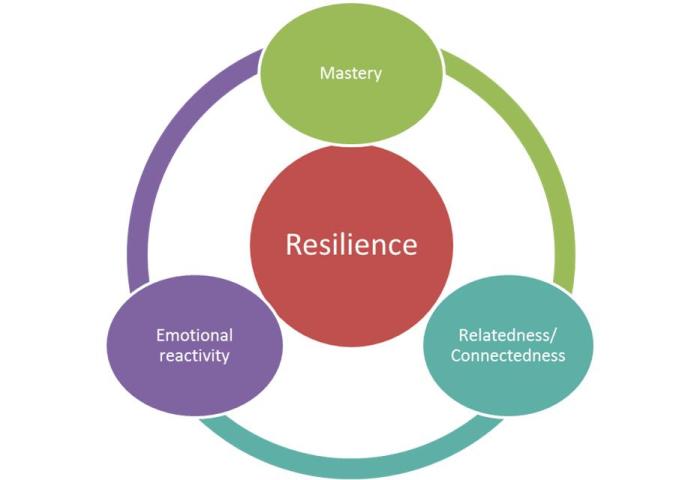
How to build resilience in teens is a crucial topic, especially considering the unique challenges adolescents face. Navigating academic pressures, social dynamics, and the complexities of identity formation can be overwhelming. This guide explores practical strategies and resources to empower teens to develop coping mechanisms and build the inner strength needed to thrive amidst adversity. We’ll delve into stress management, mental health support, mindfulness techniques, and the cultivation of positive habits that foster resilience.
From understanding the core concepts of resilience to implementing effective coping strategies, this resource aims to provide a comprehensive toolkit for teens, parents, and educators. We’ll address common misconceptions about mental health, emphasizing the importance of seeking professional help when needed. The ultimate goal is to equip teens with the skills and knowledge to navigate life’s challenges with confidence and emotional well-being.
Stress and Anxiety Management Techniques for Teens: How To Build Resilience In Teens
Teenage years are a period of significant change and adjustment, often leading to increased stress and anxiety. Developing effective coping mechanisms is crucial for navigating these challenges and fostering overall well-being. This section Artikels several practical strategies teenagers can employ to manage stress and anxiety effectively.
Effective Stress Management Techniques for Teenagers
A multifaceted approach to stress management is often most effective. This involves combining different techniques to find what works best for each individual. Experimentation and consistency are key to success.
- Regular Exercise: Physical activity releases endorphins, which have mood-boosting effects. Activities like running, swimming, team sports, or even a brisk walk can significantly reduce stress levels.
- Healthy Diet: Nourishing your body with a balanced diet provides the energy and nutrients needed to cope with stress. Limit processed foods, sugary drinks, and excessive caffeine, opting instead for fruits, vegetables, and whole grains.
- Sufficient Sleep: Adequate sleep is vital for both physical and mental health. Aim for 8-10 hours of quality sleep per night to allow your body and mind to rest and repair.
- Time Management Skills: Effective time management reduces feelings of being overwhelmed. Prioritize tasks, break down large projects into smaller, manageable steps, and use planners or apps to stay organized.
- Social Support: Connecting with friends, family, or mentors provides emotional support and a sense of belonging. Talking about your feelings can significantly alleviate stress and anxiety.
- Creative Outlets: Engaging in creative activities such as painting, music, writing, or other hobbies can be a healthy way to express emotions and relieve stress.
- Mindfulness and Meditation: Practicing mindfulness techniques, such as meditation or deep breathing exercises, can help to calm the mind and reduce anxiety. Even short, regular sessions can make a difference.
- Setting Realistic Expectations: Avoid setting unrealistic goals or putting excessive pressure on yourself. Learn to accept imperfections and celebrate small victories.
- Seeking Professional Help: If stress and anxiety are significantly impacting your daily life, don’t hesitate to seek professional help from a therapist or counselor. They can provide personalized guidance and support.
The Role of Mindfulness in Reducing Anxiety Among Adolescents
Mindfulness involves paying attention to the present moment without judgment. For teenagers facing academic pressure, social anxieties, or other stressors, mindfulness can be a powerful tool for calming the mind and reducing feelings of overwhelm. By focusing on the breath, bodily sensations, or sounds in the environment, teenagers can detach from anxious thoughts and cultivate a sense of calm.
Regular mindfulness practice can improve emotional regulation, reduce reactivity to stressful situations, and promote a greater sense of self-awareness. Mindfulness techniques, such as meditation apps or guided meditations, can be easily incorporated into daily routines.
Benefits of Exercise and Healthy Eating Habits in Managing Stress and Anxiety
Regular physical activity and a healthy diet work synergistically to improve mental well-being. Exercise releases endorphins, natural mood boosters that reduce stress hormones like cortisol. A balanced diet provides the essential nutrients needed for optimal brain function and stress resilience. For example, a study published in the journal “Preventive Medicine” showed that regular exercise significantly reduced anxiety symptoms in adolescents.
Similarly, research consistently demonstrates the link between a healthy diet and improved mood regulation, reducing susceptibility to anxiety and stress. A diet rich in fruits, vegetables, and whole grains provides the necessary vitamins and minerals to support brain health and emotional stability.
A Step-by-Step Guide to Deep Breathing Exercises for Anxiety Relief
Deep breathing exercises are a simple yet effective way to manage anxiety symptoms. These exercises activate the parasympathetic nervous system, which helps to slow down the heart rate and promote relaxation.
- Find a comfortable position: Sit or lie down in a quiet space.
- Close your eyes gently: This helps to minimize distractions.
- Inhale slowly and deeply: Breathe in through your nose, feeling your abdomen expand as your lungs fill with air. Count to four as you inhale.
- Hold your breath briefly: Hold your breath for a count of two.
- Exhale slowly and completely: Exhale through your mouth, letting your abdomen fall as you release the air. Count to six as you exhale.
- Repeat: Repeat this cycle of deep breathing for 5-10 minutes, or as needed.
Practicing this regularly can significantly reduce anxiety levels and promote a sense of calm. Remember, consistency is key.
Depression Support and Resources for Teens
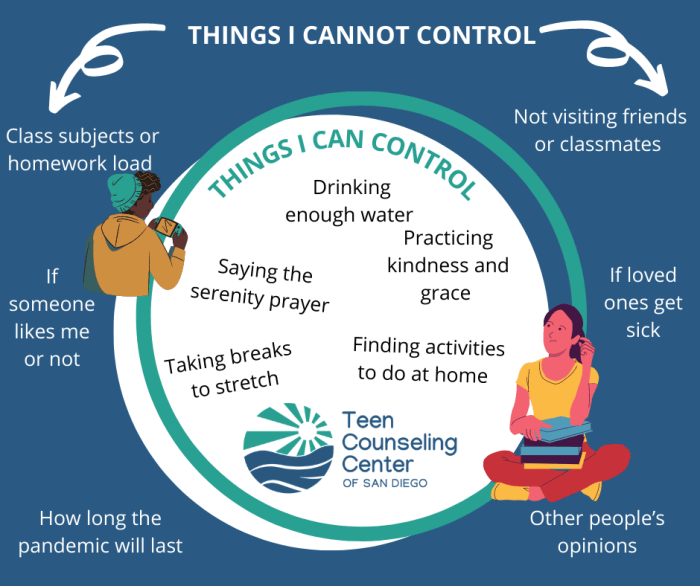
Teenage years can be incredibly challenging, and for some, this period is marked by the onset of depression. It’s crucial to understand that depression is a serious mental health condition, not simply a phase or a matter of “being sad.” Recognizing the signs, accessing support, and dispelling common misconceptions are key steps towards effective management and recovery.Depression in teenagers often manifests differently than in adults, making early identification vital.
It’s important to remember that seeking help is a sign of strength, not weakness, and numerous resources are available to provide support and guidance.
Warning Signs of Depression in Teenagers
Recognizing the warning signs of depression in teenagers is crucial for early intervention. These signs can be subtle and may not always be readily apparent. Persistent sadness or irritability, significant changes in sleep patterns (either excessive sleeping or insomnia), noticeable changes in appetite or weight, loss of interest in previously enjoyed activities, feelings of worthlessness or excessive guilt, difficulty concentrating or making decisions, and persistent fatigue are all potential indicators.
Additionally, withdrawal from friends and family, self-harm behaviors, and talk of death or suicide should be taken extremely seriously and require immediate professional attention. The presence of several of these symptoms, particularly if persistent, warrants seeking professional help.
Available Resources for Teens Struggling with Depression
Several resources are available to provide support to teenagers struggling with depression. These include:
- The Trevor Project: A crisis intervention and suicide prevention hotline specifically for LGBTQ young people. They offer confidential support via phone, text, and online chat.
- The Jed Foundation: This organization provides resources and support for teens and young adults struggling with mental health challenges, including depression. They offer various programs and resources designed to promote mental health and well-being.
- National Alliance on Mental Illness (NAMI): NAMI offers support groups, educational programs, and advocacy for individuals and families affected by mental illness, including depression. They provide a wealth of information and resources to help teens and their families navigate the challenges of depression.
- Crisis Text Line: Provides free, 24/7 support via text message. Trained counselors are available to offer immediate help and guidance during times of crisis.
- Online Support Groups: Numerous online platforms offer support groups specifically for teenagers dealing with depression. These groups provide a safe and anonymous space for teens to connect with others facing similar challenges and share their experiences.
It is crucial to remember that these resources are confidential and available to anyone who needs them, regardless of background or circumstances.
The Importance of Seeking Professional Help for Depression, How to build resilience in teens
Seeking professional help for depression is essential for effective treatment and recovery. A mental health professional, such as a therapist or psychiatrist, can provide a proper diagnosis, develop a personalized treatment plan, and monitor progress. Therapy, such as cognitive behavioral therapy (CBT) or interpersonal therapy, can help teens develop coping mechanisms and address underlying issues contributing to their depression.
In some cases, medication may be necessary to manage symptoms and improve overall functioning. Early intervention is crucial, as untreated depression can have long-term consequences. Accessing professional help can be done through a family doctor’s referral, searching online directories of mental health professionals, or contacting your school counselor.
Common Misconceptions About Depression in Teens
Several misconceptions surround depression in teenagers, which can hinder early intervention and effective treatment.
- Misconception: Depression is just a phase or a matter of being sad. Reality: Depression is a serious medical condition characterized by persistent sadness, loss of interest, and other significant symptoms. It requires professional intervention.
- Misconception: Teens can just “snap out of it.” Reality: Depression is a complex condition that requires treatment, much like any other medical illness. It cannot simply be overcome through willpower alone.
- Misconception: Talking about depression will make it worse. Reality: Openly discussing depression can be incredibly helpful. It allows teens to process their emotions, access support, and reduce feelings of isolation.
- Misconception: Depression is a sign of weakness. Reality: Depression is a medical condition that affects people of all strengths and backgrounds. Seeking help is a sign of strength, not weakness.
Understanding these misconceptions and replacing them with accurate information is crucial for supporting teenagers struggling with depression.
Mental Health Advocacy and Awareness for Teens
Raising awareness about mental health issues among teenagers is crucial for fostering a supportive environment and reducing the stigma surrounding mental illness. Openly discussing mental health challenges normalizes the experience, encouraging teens to seek help without fear of judgment. This proactive approach can significantly impact the well-being of young people, leading to earlier intervention and improved outcomes.Teenagers are uniquely positioned to advocate for better mental health support within their schools and communities.
Their perspectives are invaluable in shaping policies and programs that effectively address their needs. By actively participating in discussions, sharing their experiences, and collaborating with adults, teens can create meaningful change.
Strategies for Teen Mental Health Advocacy
Effective advocacy involves a multi-pronged approach. Teens can start by forming or joining school clubs dedicated to mental health awareness. They can organize events like awareness walks or fundraising campaigns to support local mental health organizations. Directly engaging with school administrators to advocate for increased mental health resources, such as counseling services and mental health education programs, is also highly effective.
Furthermore, participating in community initiatives and contacting local representatives to express concerns and propose solutions can generate significant impact. Finally, sharing personal stories (while maintaining privacy) can humanize the issue and encourage empathy from others.
The Role of Social Media in Promoting Mental Health Awareness
Social media platforms offer a powerful tool for raising awareness and fostering open conversations about mental health. The wide reach of these platforms allows teens to connect with others facing similar challenges, providing a sense of community and support. Sharing positive messages, educational resources, and personal experiences (with appropriate privacy settings) can help destigmatize mental illness and encourage help-seeking behaviors.
However, it’s crucial to be mindful of the potential negative aspects of social media, such as cyberbullying and exposure to triggering content. Promoting responsible social media use and advocating for safer online environments are essential components of a comprehensive mental health advocacy strategy.
Designing a Social Media Campaign for Mental Health Awareness
A successful social media campaign requires careful planning and execution. The campaign should have a clear objective, such as increasing awareness about a specific mental health issue or encouraging help-seeking behaviors. Utilizing relevant hashtags, engaging visuals, and compelling stories can increase reach and impact. For example, a campaign could feature short videos of teens sharing their experiences with mental health challenges, interspersed with tips for self-care and information about available resources.
Collaborating with influencers and mental health organizations can expand the campaign’s reach and credibility. Regularly posting engaging content and interacting with followers is crucial for maintaining momentum and fostering a sense of community. Tracking the campaign’s performance using analytics tools helps assess its effectiveness and inform future strategies. An example of a campaign hashtag could be #TeenMentalHealthMatters.
The campaign could also include infographics detailing statistics on teen mental health, alongside personal stories from teens who have navigated mental health challenges.
Building resilience in teenagers is an ongoing process that requires consistent effort and support. By implementing the strategies Artikeld in this guide – encompassing stress management, mindfulness practices, healthy habits, and access to mental health resources – teens can cultivate inner strength and navigate life’s inevitable challenges with greater ease. Remember, fostering resilience is not about avoiding difficulties, but about developing the capacity to overcome them and emerge stronger.
Prioritizing mental well-being is an investment in a healthier, happier future.
FAQs
What are some early warning signs of burnout in teens?
Early signs of burnout often include increased irritability, exhaustion, difficulty concentrating, withdrawal from activities once enjoyed, and changes in sleep patterns.
How can parents support their teen’s resilience?
Parents can support their teen’s resilience by providing a safe and supportive environment, encouraging open communication, modeling healthy coping mechanisms, and seeking professional help when needed.
Is therapy always necessary for building resilience?
Therapy isn’t always necessary, but it can be incredibly beneficial for teens facing significant challenges or struggling to develop coping mechanisms on their own. It provides a safe space to process emotions and develop effective strategies.
How can schools promote resilience among students?
Schools can promote resilience by providing access to mental health resources, implementing stress-reduction programs, fostering a positive and supportive school climate, and educating students and staff about mental health.


