Therapy for Insomnia and Sleep Issues
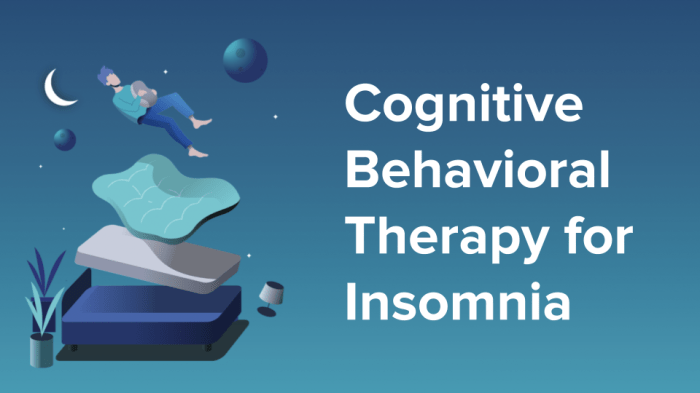
Therapy for insomnia and sleep issues offers a multifaceted approach to conquering restless nights and improving overall well-being. Understanding the intricacies of sleep, from its various stages to the impact of underlying conditions like stress and depression, is crucial for effective treatment. This exploration delves into the various therapeutic options available, including cognitive behavioral therapy for insomnia (CBT-I), medication, and mindfulness practices, providing a comprehensive guide to reclaiming restful sleep.
We will examine the connection between sleep and mental health, highlighting how improving sleep can positively impact overall well-being and addressing the challenges faced in managing sleep problems in the context of workplace stress and addiction. The journey to better sleep involves a holistic approach encompassing lifestyle changes, stress management techniques, and personalized self-care strategies.
Understanding Insomnia and Sleep Issues: Therapy For Insomnia And Sleep Issues
Insomnia and other sleep disorders significantly impact an individual’s overall well-being, affecting both physical and mental health. Understanding the different types of insomnia, their symptoms, and the consequences of poor sleep is crucial for effective management and treatment. This section will explore the various aspects of sleep disturbances and their effects.
Types of Insomnia and Their Symptoms, Therapy for insomnia and sleep issues
Insomnia is characterized by difficulty falling asleep, staying asleep, or experiencing non-restorative sleep. There are several types, including acute insomnia (short-term, lasting less than three months), chronic insomnia (lasting longer than three months), and onset insomnia (difficulty initiating sleep). Symptoms can include fatigue, daytime sleepiness, difficulty concentrating, irritability, and mood changes. Furthermore, individuals may experience a racing mind, making it difficult to quiet their thoughts and drift off to sleep.
The severity of symptoms varies depending on the individual and the type of insomnia.
Impact of Poor Sleep on Physical and Mental Health
Insufficient or poor-quality sleep has far-reaching consequences for both physical and mental health. Physically, chronic sleep deprivation weakens the immune system, increasing susceptibility to illness. It also contributes to weight gain, increases the risk of cardiovascular disease, and impairs cognitive function, leading to reduced productivity and increased error rates. Mentally, poor sleep is linked to increased anxiety, depression, and irritability.
It can exacerbate existing mental health conditions and make it harder to manage daily stressors. The cumulative effect of these impacts can significantly reduce quality of life.
The Sleep Cycle and Its Stages
The sleep cycle consists of several distinct stages, each characterized by unique brainwave patterns and physiological changes. A typical sleep cycle lasts approximately 90-120 minutes and includes non-rapid eye movement (NREM) sleep, which is further divided into stages 1, 2, and 3, and rapid eye movement (REM) sleep. Stage 1 is a light sleep characterized by slow eye movements.
Stage 2 is a deeper sleep with bursts of brain activity called sleep spindles. Stage 3 is the deepest sleep, crucial for physical restoration and characterized by slow delta waves. REM sleep is associated with vivid dreams and is essential for memory consolidation and cognitive function. The cycle repeats itself several times throughout the night, with the proportion of time spent in each stage varying.
Comparison of Sleep Disorders and Treatments
| Sleep Disorder | Symptoms | Possible Treatments | Further Considerations |
|---|---|---|---|
| Insomnia | Difficulty falling or staying asleep, early waking | Cognitive Behavioral Therapy for Insomnia (CBT-I), sleep hygiene improvements, medication (in some cases) | Underlying medical or psychological conditions should be addressed. |
| Sleep Apnea | Pauses in breathing during sleep, snoring, daytime sleepiness | Continuous Positive Airway Pressure (CPAP) therapy, weight loss, surgery (in some cases) | Can be life-threatening if left untreated. Regular monitoring is crucial. |
| Restless Legs Syndrome (RLS) | Uncomfortable sensations in the legs, urge to move legs, difficulty sleeping | Medication, lifestyle changes (exercise, diet), iron supplementation (if deficient) | Often associated with other medical conditions. |
| Narcolepsy | Excessive daytime sleepiness, sudden sleep attacks, cataplexy (muscle weakness) | Medication, lifestyle adjustments, scheduled naps | Requires careful management to improve quality of life and safety. |
Therapy Options for Insomnia
Insomnia, the persistent difficulty falling asleep or staying asleep, significantly impacts daily life. Fortunately, various therapeutic approaches can effectively address this sleep disorder, offering individuals a path towards improved sleep quality and overall well-being. Choosing the right therapy often involves considering individual needs, preferences, and the severity of the insomnia.
Cognitive Behavioral Therapy for Insomnia (CBT-I)
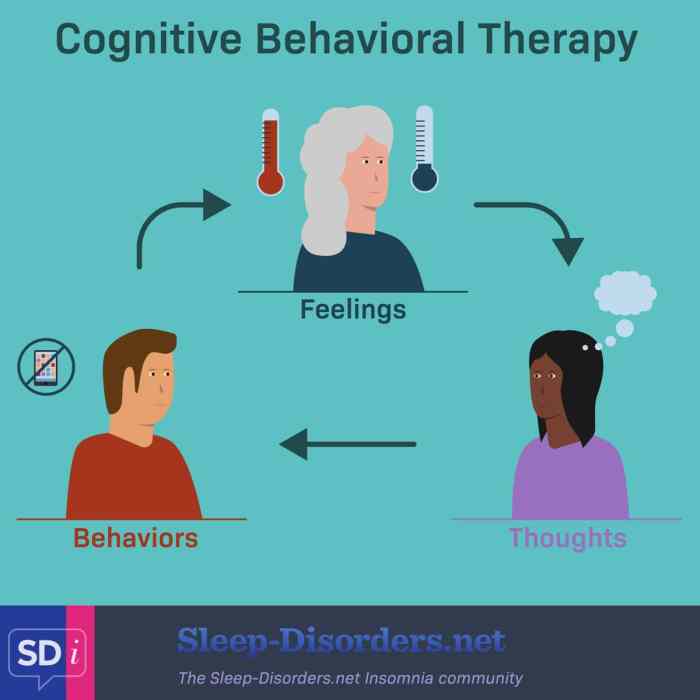
CBT-I is widely considered the first-line treatment for chronic insomnia. Unlike medication, which addresses symptoms, CBT-I targets the underlying thoughts, feelings, and behaviors that contribute to sleep problems. This therapy equips individuals with long-term coping mechanisms, reducing reliance on sleep aids. It differs from other therapies by focusing specifically on the cognitive and behavioral aspects of insomnia, rather than broader psychological issues.
Other therapies, such as relaxation therapy or medication management, may be used in conjunction with CBT-I or as standalone treatments depending on the individual’s circumstances.
CBT-I Techniques: Stimulus Control and Sleep Restriction
Stimulus control therapy aims to recondition your body to associate your bed solely with sleep and sex. This involves establishing a regular sleep schedule, creating a relaxing bedtime routine, and leaving the bedroom if you can’t fall asleep within 20 minutes. Sleep restriction therapy involves limiting the time spent in bed to only the amount of time you actually sleep.
This initially reduces sleep, but paradoxically, improves sleep efficiency and promotes deeper sleep over time. By carefully managing sleep time, the body’s natural sleep drive is strengthened, making it easier to fall asleep and stay asleep. For example, if someone sleeps only 5 hours despite being in bed for 8, sleep restriction might involve initially limiting bed time to 5 hours, gradually increasing it as sleep efficiency improves.
The Role of Medication in Treating Insomnia
Medication can provide short-term relief from insomnia symptoms, but it’s generally not a long-term solution. Hypnotics, such as zolpidem (Ambien) or eszopiclone (Lunesta), can induce sleep, but they can lead to dependence, daytime drowsiness, and other side effects. Benzodiazepines, while effective, carry a higher risk of dependence and withdrawal symptoms. Antidepressants, particularly certain types, are sometimes prescribed for insomnia, especially when it’s associated with depression or anxiety.
However, they can have side effects like weight gain, sexual dysfunction, and drowsiness. It is crucial to discuss the risks and benefits of medication with a healthcare professional before using it to treat insomnia.
A Step-by-Step Guide to Relaxation Techniques for Improved Sleep
Relaxation techniques can significantly improve sleep quality by reducing stress and anxiety. A consistent practice is key to their effectiveness.
- Progressive Muscle Relaxation: Tense and release different muscle groups systematically, starting with your toes and working your way up to your head. Hold each tension for 5-10 seconds, then release for 30 seconds, noticing the difference in sensation.
- Diaphragmatic Breathing (Belly Breathing): Lie on your back with your knees bent. Place one hand on your chest and the other on your abdomen. Inhale deeply through your nose, allowing your abdomen to rise while keeping your chest relatively still. Exhale slowly through your mouth, feeling your abdomen fall.
- Guided Imagery: Create a mental image of a peaceful and calming scene. Engage all your senses – sight, sound, smell, touch, and even taste – to fully immerse yourself in this imaginary environment. Focus on the details and let your mind wander through this tranquil space.
- Mindfulness Meditation: Focus on the present moment without judgment. Pay attention to your breath, body sensations, and thoughts without getting carried away by them. When your mind wanders, gently redirect your attention back to your chosen focus.
Practicing these techniques regularly, ideally for 15-20 minutes before bed, can significantly improve sleep quality and reduce reliance on sleep aids. Consistency is crucial; the benefits often become apparent after several weeks of regular practice.
Stress and Anxiety Management Techniques
Stress and anxiety are common contributors to insomnia. Addressing these underlying issues is crucial for improving sleep quality. Effective stress and anxiety management techniques can help break the cycle of worry and sleeplessness, paving the way for more restful nights. By implementing these strategies, individuals can learn to regulate their emotional responses and promote a more relaxed state conducive to sleep.
Managing stress and anxiety related to sleep problems requires a multifaceted approach. It involves identifying triggers, practicing relaxation techniques, and adopting healthy coping mechanisms. This section will explore several evidence-based strategies to help individuals reduce stress and anxiety and improve their sleep.
Mindfulness Exercises for Reducing Racing Thoughts
Mindfulness techniques focus on bringing awareness to the present moment, reducing rumination on past events or anxieties about the future. These exercises help quiet the mind and promote a sense of calm, which is essential for falling asleep.
One effective mindfulness exercise is body scan meditation. This involves systematically bringing awareness to different parts of the body, noticing any sensations without judgment. Another helpful technique is mindful breathing, focusing on the sensation of each inhale and exhale. By directing attention to the breath, you can gently redirect racing thoughts and promote relaxation. A third example is mindful walking, paying attention to the feeling of your feet on the ground and the movement of your body.
Regular practice of these exercises can significantly reduce racing thoughts and improve sleep onset.
Relaxation Techniques
Relaxation techniques are powerful tools for reducing physical tension and mental stress, both of which can interfere with sleep. These techniques work by activating the parasympathetic nervous system, promoting a state of relaxation and calmness.
Progressive muscle relaxation involves systematically tensing and releasing different muscle groups in the body. Starting with the toes and working up to the head, you tense each muscle group for a few seconds, then release, noticing the difference in sensation. This process helps release physical tension and promote relaxation. Deep breathing exercises, such as diaphragmatic breathing, focus on slow, deep breaths from the abdomen.
This type of breathing stimulates the vagus nerve, reducing heart rate and promoting relaxation. Regular practice of these techniques can significantly reduce physical tension and improve sleep quality.
Journaling for Emotional Processing
Journaling provides a valuable outlet for processing emotions and thoughts that might be contributing to insomnia. Writing down worries and anxieties can help to externalize them, reducing their mental burden and allowing for a more objective perspective.
Before bed, spend a few minutes writing about your day, focusing on any stressors or emotional experiences. Don’t worry about grammar or style; the goal is simply to express your thoughts and feelings. This process can help to clear your mind and prepare you for sleep. Reflecting on positive aspects of the day can also promote a more optimistic and relaxed state of mind, further improving sleep quality.
Reviewing past journal entries can also help to identify patterns in thoughts and feelings that might be contributing to sleep difficulties, allowing for more targeted interventions.
Depression and Sleep Disturbances
Depression and insomnia frequently coexist, creating a vicious cycle where one condition exacerbates the other. The disruption of sleep caused by depression significantly impacts a person’s overall well-being, and conversely, sleep deprivation can worsen depressive symptoms. Understanding this intricate relationship is crucial for effective treatment.Depression significantly impacts sleep patterns, often leading to insomnia. This isn’t simply a matter of difficulty falling asleep; it encompasses a range of sleep disturbances that negatively affect the quality and quantity of rest.
Common Sleep Disturbances in Depression
The disruption of sleep in depression manifests in various ways. Individuals may experience difficulty falling asleep (sleep-onset insomnia), frequent awakenings throughout the night (sleep maintenance insomnia), or early morning awakenings (terminal insomnia). These disturbances often result in feeling unrefreshed upon waking, even after a full night’s sleep. Additionally, some individuals with depression experience hypersomnia, characterized by excessive sleepiness and prolonged sleep periods, although this is less common than insomnia.
These sleep problems significantly contribute to daytime fatigue, reduced concentration, and impaired cognitive function, further worsening depressive symptoms.
Depression Treatment and Sleep Improvement
Effective treatment for depression often leads to significant improvements in sleep quality. This improvement isn’t always immediate; it often occurs gradually as the underlying depressive symptoms begin to subside. Treatment strategies focus on addressing both the depression and the sleep disturbances simultaneously.
The Role of Psychotherapy and Medication
Psychotherapy, particularly cognitive behavioral therapy (CBT) for insomnia (CBT-I) and other forms of psychotherapy, plays a vital role in managing both depression and sleep problems. CBT-I helps individuals identify and modify negative thoughts and behaviors that contribute to insomnia. Other forms of psychotherapy, such as interpersonal therapy, help individuals address relationship issues and other stressors that might be contributing to their depression and sleep problems.Medication is also frequently used in the treatment of depression, and many antidepressants have been shown to improve sleep quality as a secondary effect.
However, it’s important to note that some antidepressants can initially worsen sleep problems before their positive effects become apparent. The choice of medication and the monitoring of its effects on sleep are crucial aspects of treatment. A healthcare professional will carefully consider the individual’s needs and potential side effects when prescribing medication. In some cases, sleep medications may be prescribed in conjunction with antidepressants to address immediate sleep problems, but this should always be done under the guidance of a physician.
Mindfulness Practices for Better Sleep
Mindfulness, the practice of paying attention to the present moment without judgment, offers a powerful pathway to improving sleep quality. By cultivating awareness of our thoughts, feelings, and bodily sensations, we can reduce the racing mind and anxious thoughts that often interfere with sleep. This section explores several mindfulness techniques specifically designed to promote relaxation and better sleep hygiene.
Different Mindfulness Techniques for Sleep Improvement
Mindfulness practices for sleep aren’t about forcing relaxation; instead, they focus on accepting and observing your current state. Several techniques can be effectively integrated into a pre-sleep routine. These techniques aim to gently redirect your attention away from worries and towards the present moment, paving the way for restful sleep.
Guided Meditation Scripts for Relaxation and Sleep
Guided meditations provide a structured approach to mindfulness, guiding your attention through specific exercises. A common approach involves focusing on the breath, noticing sensations in the body, and gently redirecting thoughts that arise.
Example Guided Meditation Script: “Find a comfortable position… Notice the rise and fall of your abdomen as you breathe… Feel the air entering your nostrils, filling your lungs… Let go of any tension you feel in your body… If your mind wanders, gently guide it back to your breath… Repeat this process for 10-15 minutes.”
Another effective script might involve a body scan meditation, systematically bringing awareness to different parts of the body, noticing any sensations without judgment. A third approach could focus on visualizing a peaceful scene, like a calm beach or a forest. The key is consistency and finding a script that resonates with you.
Benefits of Mindful Breathing for Sleep Improvement
Mindful breathing is a cornerstone of many mindfulness practices. By focusing on the sensation of the breath—the gentle rise and fall of the chest or abdomen—we anchor ourselves in the present moment. This simple act can interrupt the cycle of anxious thoughts and promote a state of calm. Deep, slow breaths activate the parasympathetic nervous system, responsible for relaxation and rest, counteracting the effects of stress hormones that can disrupt sleep.
The rhythmic nature of the breath also creates a sense of stability and predictability, which can be particularly soothing before sleep.
Schedule for Incorporating Mindfulness Practices into a Daily Routine
Consistency is key to reaping the benefits of mindfulness for sleep. A sample schedule could look like this:
| Time | Activity | Duration |
|---|---|---|
| 7:00 AM | Mindful breathing (5 minutes) | 5 minutes |
| 12:00 PM | Body scan meditation (10 minutes) | 10 minutes |
| 6:00 PM | Mindful walking (15 minutes) | 15 minutes |
| 9:00 PM | Guided sleep meditation (15-20 minutes) | 15-20 minutes |
This schedule is a suggestion; adjust it to fit your daily routine and preferences. The important thing is to establish a consistent practice, even if it’s just for a few minutes each day. Gradually increasing the duration of your practice can enhance its effectiveness.
Building Resilience to Sleep Disruption
Developing resilience to sleep disruption involves proactive strategies that strengthen your body’s natural sleep-wake cycle and equip you to manage the stressors that often interfere with sleep. By adopting a holistic approach encompassing lifestyle changes, stress management techniques, and consistent sleep hygiene, you can significantly improve your ability to cope with and recover from sleep disturbances.
Establishing a Regular Sleep Schedule
Maintaining a consistent sleep schedule is crucial for regulating your body’s natural sleep-wake rhythm, also known as your circadian rhythm. Going to bed and waking up around the same time each day, even on weekends, helps to synchronize your internal clock, promoting more efficient sleep and reducing the likelihood of insomnia. This consistency signals to your body when it’s time to sleep and when it’s time to wake up, leading to improved sleep quality and daytime alertness.
For example, someone who consistently goes to bed at 10:00 PM and wakes up at 6:00 AM will likely experience more restful sleep than someone whose sleep schedule fluctuates significantly.
Maintaining a Healthy Lifestyle
A healthy lifestyle plays a pivotal role in fostering resilience against sleep disturbances. Regular physical activity, a balanced diet, and limiting caffeine and alcohol intake are key components. Exercise improves sleep quality, but avoid intense workouts close to bedtime. A nutritious diet provides the necessary nutrients for optimal brain and body function, while limiting stimulants like caffeine and alcohol minimizes their disruptive effects on sleep patterns.
For instance, a diet rich in fruits, vegetables, and whole grains, combined with regular moderate exercise, can contribute significantly to better sleep. Conversely, excessive alcohol consumption before bed can disrupt sleep architecture and lead to poor quality rest.
Creating a Relaxing Bedtime Routine
Developing a relaxing bedtime routine signals to your body that it’s time to wind down and prepare for sleep. This routine should involve calming activities that help reduce stress and promote relaxation, such as taking a warm bath, reading a book, listening to calming music, or practicing gentle stretching. Avoiding screens (phones, tablets, computers, televisions) for at least an hour before bed is crucial, as the blue light emitted from these devices can interfere with melatonin production, a hormone that regulates sleep.
A consistent and calming bedtime routine helps create a positive association with sleep, making it easier to fall asleep and stay asleep. For example, a routine could include a warm bath followed by 15 minutes of gentle yoga and reading a chapter of a book.
Sleep and Mental Health Connection
Sleep and mental health are intricately linked, sharing a complex bidirectional relationship. This means that poor sleep can negatively affect mental health, and conversely, mental health issues can significantly disrupt sleep patterns. Understanding this interplay is crucial for effective treatment and overall well-being.Sleep problems can worsen existing mental health conditions. Insufficient sleep, poor sleep quality, or disrupted sleep cycles can exacerbate symptoms of anxiety, depression, and other mental health disorders.
For example, individuals with depression often experience insomnia, which further intensifies their depressive symptoms, creating a vicious cycle. Similarly, anxiety can lead to difficulty falling asleep or staying asleep, perpetuating anxious thoughts and feelings.Improving sleep can positively impact mental well-being. Prioritizing sleep hygiene and addressing underlying sleep disorders can lead to significant improvements in mood, cognitive function, and emotional regulation.
Adequate sleep allows the brain to consolidate memories, process emotions, and restore itself, contributing to improved mental clarity, reduced stress, and increased resilience to daily challenges. Even small improvements in sleep quality can have a noticeable positive impact on mental health.
Sleep Problems Exacerbating Mental Health Conditions
Insufficient sleep depletes cognitive resources, making it harder to manage stress, regulate emotions, and cope with challenging situations. This depletion can lead to increased irritability, difficulty concentrating, and heightened emotional reactivity, all of which can worsen existing mental health conditions. For instance, a person with anxiety might find their anxiety amplified by sleep deprivation, leading to panic attacks or increased worry.
Similarly, individuals with depression might experience a worsening of their depressive symptoms, including increased feelings of hopelessness and worthlessness. The lack of restorative sleep prevents the brain from effectively processing emotional experiences, leading to a build-up of negative emotions and a decreased ability to cope with stressors.
Improved Sleep Positively Affecting Mental Well-being
Sufficient, high-quality sleep allows the brain to consolidate memories, process emotions, and restore itself. This leads to improved cognitive function, including enhanced concentration, memory, and problem-solving abilities. Adequate sleep also contributes to better emotional regulation, making individuals better equipped to handle stress and manage their emotional responses. Furthermore, improved sleep can boost mood and increase feelings of well-being, leading to a more positive outlook and increased resilience to life’s challenges.
For example, someone struggling with mild depression might find that consistent, good quality sleep reduces their feelings of sadness and improves their overall motivation.
Resources for Individuals Struggling with Sleep and Mental Health Issues
It is important to seek professional help if you are struggling with both sleep problems and mental health issues. These issues often coexist and require a holistic approach to treatment.
- Mental health professionals: Psychologists, psychiatrists, and therapists can provide therapy and medication to address underlying mental health conditions that may be contributing to sleep problems. They can also teach coping mechanisms for stress and anxiety that improve sleep.
- Sleep specialists: Sleep medicine physicians can diagnose and treat sleep disorders such as insomnia, sleep apnea, and restless legs syndrome. They can recommend appropriate treatments, including medication and behavioral therapies.
- Support groups: Connecting with others who are experiencing similar challenges can provide emotional support and practical advice. Many online and in-person support groups focus on sleep disorders and mental health.
- National Alliance on Mental Illness (NAMI): NAMI offers a wealth of resources, support groups, and educational materials for individuals and families affected by mental illness. Their website provides information on finding mental health professionals and navigating the healthcare system.
- National Sleep Foundation: The National Sleep Foundation provides comprehensive information on sleep disorders, sleep hygiene, and treatment options. Their website includes a sleep calculator and resources to help improve sleep habits.
Ultimately, overcoming insomnia and sleep issues requires a personalized approach that addresses the unique factors contributing to each individual’s sleep difficulties. By understanding the interplay between sleep, mental health, and lifestyle choices, and by utilizing the various therapeutic strategies and self-care techniques Artikeld, individuals can embark on a path towards healthier sleep habits and a more fulfilling life. Remember that seeking professional guidance is crucial for those struggling with persistent sleep problems.
Quick FAQs
What are the potential side effects of sleep medication?
Side effects vary depending on the medication but can include drowsiness, dizziness, daytime fatigue, and gastrointestinal issues. It’s crucial to discuss potential side effects with a doctor before starting any medication.
How long does CBT-I typically take to show results?
The timeframe varies, but many individuals experience improvements within several weeks of consistent practice. However, continued practice is often necessary for long-term benefits.
Is therapy the only solution for insomnia?
No, therapy is a valuable tool, but lifestyle changes like regular sleep schedules, a relaxing bedtime routine, and a healthy diet also play significant roles. Sometimes a combination of approaches is most effective.
Can I use mindfulness techniques alongside medication?
Yes, many find that combining mindfulness techniques with medication enhances the effectiveness of both approaches. Always discuss this with your doctor or therapist.


