How Sleep Affects Mental Health
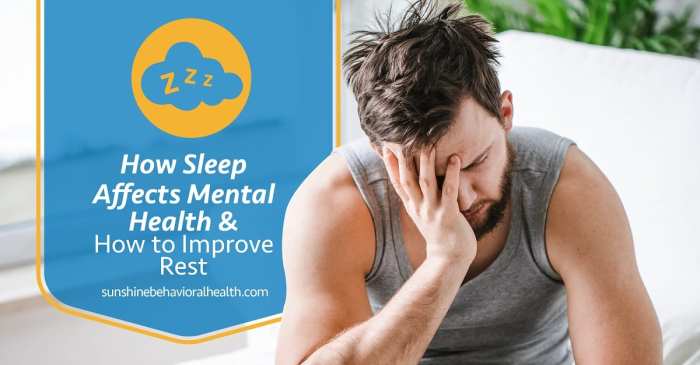
How sleep affects mental health is a crucial topic often overlooked. The intricate relationship between sufficient rest and our emotional well-being is profound, impacting everything from mood regulation to our ability to cope with stress. This exploration delves into the science behind sleep’s influence on mental health, examining the consequences of sleep deprivation and highlighting strategies for improving sleep hygiene and overall well-being.
We’ll explore the neurological mechanisms linking sleep to emotional processing, examining how various sleep stages contribute to emotional resilience. The discussion will also cover the impact of sleep disorders on mental health, including insomnia, sleep apnea, and restless legs syndrome, along with effective treatment approaches. Finally, we’ll look at practical strategies for improving sleep, encompassing stress management techniques, mindfulness practices, and the role of therapy and self-care in fostering better sleep and mental health.
The Impact of Sleep Deprivation on Mental Well-being
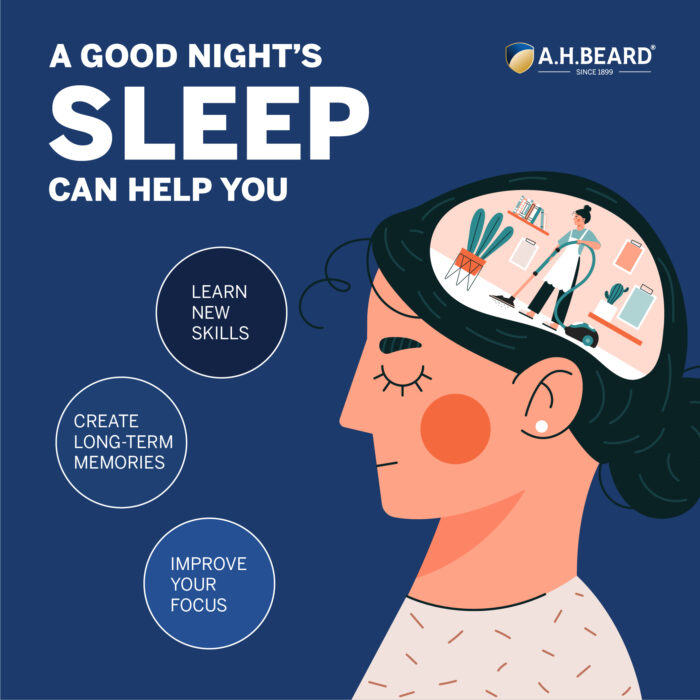
Insufficient sleep significantly impacts mental well-being, increasing the risk of various mental health issues and exacerbating existing conditions. The complex interplay between sleep and mental health is increasingly understood, revealing a strong correlation between sleep deprivation and a decline in cognitive function, emotional regulation, and overall psychological resilience.
The Correlation Between Insufficient Sleep and Anxiety Disorders
Sleep deprivation is strongly linked to an increased risk of developing anxiety disorders. When we sleep, our brains consolidate memories and process emotions. Lack of sleep disrupts this process, leading to heightened anxiety and difficulty managing stress. Studies have shown that individuals experiencing chronic sleep restriction are more likely to report increased anxiety symptoms, including heightened nervousness, irritability, and difficulty concentrating.
This is further compounded by the body’s natural stress response, which is amplified by sleep loss, leading to a vicious cycle of anxiety and poor sleep. For example, someone regularly getting only 5 hours of sleep might experience significantly more anxiety than someone consistently getting 7-9 hours.
Physiological Changes in the Brain Caused by Sleep Deprivation and Their Effect on Mood Regulation, How sleep affects mental health
Sleep deprivation triggers significant physiological changes in the brain, directly impacting mood regulation. The amygdala, the brain region associated with processing emotions, becomes hyperactive, leading to increased reactivity to stressful stimuli. Simultaneously, the prefrontal cortex, responsible for executive functions like decision-making and emotional control, becomes less efficient. This imbalance creates a predisposition towards negative emotions and makes it harder to manage stressful situations.
Neurotransmitter imbalances, particularly in serotonin and norepinephrine, further contribute to mood disturbances. These neurochemicals play a crucial role in mood regulation, and their disruption can lead to symptoms such as irritability, depression, and difficulty concentrating.
Comparing Mental Health Outcomes of Individuals with Chronic Sleep Restriction Versus Those with Sufficient Sleep
Individuals with chronic sleep restriction consistently demonstrate poorer mental health outcomes compared to those who get enough sleep. Chronic sleep loss is associated with higher rates of depression, anxiety, and other mood disorders. Studies show a clear dose-response relationship: the more sleep deprivation, the greater the severity of mental health symptoms. Conversely, individuals who prioritize sufficient sleep tend to exhibit better emotional regulation, improved cognitive function, and reduced susceptibility to mental health problems.
Maintaining adequate sleep is a protective factor against the development of mental health disorders.
How Sleep Deprivation Exacerbates Symptoms of Pre-existing Mental Health Conditions
Sleep deprivation can significantly worsen the symptoms of pre-existing mental health conditions. For individuals with depression, sleep loss can lead to increased feelings of hopelessness, fatigue, and irritability, intensifying the overall depressive experience. Similarly, those with anxiety disorders may experience amplified anxiety symptoms, including panic attacks, increased worry, and difficulty concentrating. The lack of restorative sleep prevents the brain from properly processing emotions and coping mechanisms, resulting in a worsening of symptoms.
For example, a person with bipolar disorder might experience more frequent and intense mood swings when sleep-deprived.
Comparison of Symptoms of Sleep Deprivation and Various Mental Health Disorders
| Symptom | Sleep Deprivation | Anxiety Disorder | Depression |
|---|---|---|---|
| Irritability | High | High | High |
| Fatigue | High | Moderate | High |
| Difficulty Concentrating | High | High | High |
| Anxiety | Moderate | High | Moderate |
| Depressed Mood | Moderate | Moderate | High |
| Restlessness | Moderate | High | Moderate |
| Sleep Disturbances | High | Moderate | High |
| Difficulty making decisions | Moderate | Moderate | High |
The Role of Sleep in Emotional Regulation
Sleep is not merely a period of rest; it’s a crucial process deeply intertwined with our emotional well-being. During sleep, the brain actively consolidates memories, processes emotions, and prepares us for the challenges of the next day. Disruptions to this intricate process can significantly impact our ability to manage stress, regulate our moods, and maintain emotional stability.
Brain Regions Involved in Sleep and Emotional Processing
Several brain regions play pivotal roles in both sleep and emotional processing. The amygdala, a key structure in the limbic system, is central to processing fear and other emotions. The hippocampus, also part of the limbic system, is crucial for memory consolidation, including emotional memories. These structures interact with the prefrontal cortex, responsible for higher-level cognitive functions such as decision-making and emotional regulation.
During sleep, these regions communicate and interact differently, allowing for emotional processing and memory consolidation. For example, the amygdala’s activity decreases during certain sleep stages, potentially reducing the intensity of emotional responses. The prefrontal cortex, meanwhile, undergoes periods of increased activity, helping to integrate emotional experiences into our broader understanding of the world.
Sleep’s Contribution to Emotional Resilience and Stress Management
Adequate sleep significantly contributes to emotional resilience and our ability to cope with stress. When we are sleep-deprived, the amygdala’s response to threatening stimuli is heightened, making us more prone to experiencing anxiety and fear. Conversely, sufficient sleep allows the prefrontal cortex to function optimally, enhancing our capacity to regulate these emotional responses and manage stress effectively. Studies have shown that individuals with chronic sleep problems are at increased risk for developing mood disorders such as anxiety and depression, further highlighting the critical link between sleep and emotional well-being.
This improved emotional regulation translates to better coping mechanisms, reducing the likelihood of emotional overwhelm in stressful situations.
Sleep Stages Crucial for Emotional Regulation
Different sleep stages contribute uniquely to emotional regulation. REM (Rapid Eye Movement) sleep is particularly important for emotional processing and memory consolidation. During REM sleep, the brain is highly active, replaying and processing experiences from the day, including emotional ones. This process allows us to integrate these experiences into our emotional landscape and reduce their emotional intensity. Slow-wave sleep (SWS), characterized by deep, restorative rest, is essential for restoring cognitive functions, including those related to emotional regulation.
SWS allows the brain to recover from the day’s emotional demands, preparing it for the challenges of the following day. The interplay between REM and SWS is crucial for optimal emotional processing and resilience.
Research Findings on Sleep Quality and Emotional Stability
Numerous studies have demonstrated a strong correlation between sleep quality and emotional stability. For instance, research consistently shows that individuals who experience poor sleep quality, including insomnia and sleep apnea, are at a significantly higher risk of developing mood disorders like depression and anxiety. Conversely, interventions aimed at improving sleep quality, such as cognitive behavioral therapy for insomnia (CBT-I), have been shown to reduce symptoms of anxiety and depression.
These findings emphasize the importance of prioritizing sleep hygiene and seeking professional help when sleep disturbances interfere with emotional well-being. Longitudinal studies further support this link, showing that consistent poor sleep over time is associated with a greater likelihood of developing long-term emotional problems.
Infographic: Brain’s Emotional Response During Different Sleep Stages
The infographic would depict a stylized brain, segmented into key regions: amygdala, hippocampus, and prefrontal cortex. Each region would be represented by a different color, allowing for easy visual identification. During wakefulness, the amygdala would be depicted with bright, intense coloring, symbolizing heightened emotional reactivity. As the brain enters non-REM sleep, the amygdala’s color would gradually dim, indicating reduced emotional intensity.
In REM sleep, the amygdala would be relatively less active, but the prefrontal cortex would show increased activity, represented by a brighter color and perhaps subtle animations to symbolize processing. SWS would be represented by a generally subdued color palette across all regions, indicating a state of rest and restoration. Data could be represented using bar graphs showing relative activity levels in each brain region during different sleep stages, using data from relevant sleep studies.
The infographic would include a key explaining the color coding and data representations, ensuring clarity and ease of understanding. The overall style would be clean, modern, and easily digestible, conveying the complex interplay between sleep and emotion in a visually engaging way.
Sleep Disorders and Their Mental Health Implications
Sleep disorders significantly impact mental well-being, often exacerbating existing conditions or even triggering new ones. The intricate relationship between sleep and mental health highlights the importance of recognizing and addressing these disorders for comprehensive mental healthcare. Understanding the specific links between various sleep disorders and mental health challenges is crucial for effective diagnosis and treatment.
Insomnia and Depression
Insomnia, characterized by difficulty falling asleep, staying asleep, or experiencing non-restorative sleep, shares a strong bidirectional relationship with depression. Individuals with depression frequently experience insomnia, and conversely, chronic insomnia significantly increases the risk of developing depression. The underlying mechanisms are complex, involving disrupted neurotransmitter systems, hormonal imbalances, and chronic stress, all of which affect both sleep and mood regulation.
For example, a study published in the journalSleep Medicine* found that individuals with insomnia were three times more likely to develop depression compared to those without sleep disturbances. This highlights the need for comprehensive treatment approaches that address both the sleep disorder and the depressive symptoms.
Sleep Apnea and Its Impact on Cognitive Function and Mood
Sleep apnea, a condition characterized by pauses in breathing during sleep, profoundly affects cognitive function and mood. The repeated interruptions in oxygen supply to the brain during sleep lead to daytime sleepiness, impaired concentration, and reduced cognitive performance. Furthermore, sleep apnea is strongly linked to increased irritability, anxiety, and even depression. The chronic sleep deprivation and resulting brain dysfunction contribute to these negative mental health outcomes.
Consider the case of a middle-aged individual diagnosed with sleep apnea; before treatment, they experienced significant daytime fatigue, difficulty focusing at work, and increasing irritability leading to strained relationships. After initiating CPAP therapy (Continuous Positive Airway Pressure), a common treatment for sleep apnea, they reported significant improvements in their cognitive function, energy levels, and overall mood.
Restless Legs Syndrome and Anxiety
Restless legs syndrome (RLS), characterized by an irresistible urge to move the legs, often accompanied by unpleasant sensations, is frequently associated with anxiety disorders. The uncomfortable sensations and disrupted sleep experienced by individuals with RLS can significantly increase feelings of anxiety and irritability. Moreover, the chronic sleep deprivation associated with RLS can further exacerbate pre-existing anxiety or trigger the development of anxiety disorders.
For instance, a person experiencing RLS may find it challenging to relax before bed, leading to increased anxiety and difficulty falling asleep, creating a vicious cycle. This highlights the importance of managing RLS symptoms to alleviate anxiety-related symptoms.
Treatment Approaches for Sleep Disorders and Co-occurring Mental Health Conditions
Treatment for sleep disorders and co-occurring mental health conditions often requires a multi-faceted approach. This typically involves a combination of therapies, such as cognitive behavioral therapy for insomnia (CBT-I), medication to address sleep disturbances or mental health symptoms, and lifestyle modifications aimed at improving sleep hygiene. For example, an individual with both insomnia and generalized anxiety disorder might benefit from CBT-I to address the insomnia and medication to manage anxiety symptoms.
In some cases, referral to a psychiatrist or psychologist is necessary for comprehensive mental health care.
Addressing Sleep Disorders to Improve Mental Health Outcomes
Successfully addressing sleep disorders can significantly improve mental health outcomes. By improving sleep quality and duration, individuals often experience a reduction in symptoms of depression, anxiety, and other mental health conditions. This improvement in sleep can lead to better mood regulation, improved cognitive function, and increased overall well-being. For instance, studies have shown that successful treatment of sleep apnea can lead to significant reductions in depressive symptoms and improvements in quality of life.
Similarly, effective management of insomnia through CBT-I can lead to significant improvements in mood and overall mental health.
Stress and Anxiety Management Techniques Related to Sleep
Stress, anxiety, and sleep are intricately linked, forming a vicious cycle. High stress levels often lead to poor sleep quality, characterized by difficulty falling asleep, frequent awakenings, and early morning awakenings. Conversely, insufficient or poor-quality sleep exacerbates stress and anxiety, making it harder to cope with daily challenges and increasing vulnerability to mental health issues. Understanding this relationship is crucial for developing effective strategies to improve both sleep and mental well-being.
The Interplay of Stress, Sleep Quality, and Anxiety
Chronic stress activates the sympathetic nervous system, leading to the release of stress hormones like cortisol. Elevated cortisol levels interfere with the sleep-wake cycle, making it difficult to fall asleep and maintain restful sleep. Poor sleep, in turn, impairs cognitive function, reduces emotional resilience, and increases sensitivity to stress, further fueling anxiety. This cycle perpetuates itself, creating a challenging situation for individuals struggling with both sleep problems and anxiety.
For example, someone consistently stressed about work might find themselves tossing and turning at night, leading to fatigue and increased irritability the next day, making them even more susceptible to stress at work, and continuing the cycle.
Practical Strategies for Managing Stress and Anxiety to Improve Sleep
Implementing effective stress and anxiety management techniques is essential for improving sleep quality. These techniques can be broadly categorized into lifestyle changes and relaxation techniques. Lifestyle changes include regular exercise, a balanced diet, limiting caffeine and alcohol intake, especially close to bedtime, and establishing a consistent sleep schedule. Relaxation techniques focus on calming the mind and body, preparing the individual for restful sleep.
A combination of these approaches usually yields the best results. For instance, regular yoga practice combined with a consistent sleep schedule and reduction of caffeine intake can significantly improve sleep quality and reduce anxiety levels.
Mindfulness Exercises for Relaxation and Better Sleep
Mindfulness practices cultivate present moment awareness, helping to quiet the racing thoughts that often interfere with sleep. A simple mindfulness exercise involves focusing on the breath, noticing the sensation of the air entering and leaving the body. Another effective technique is a body scan meditation, where one systematically brings awareness to different parts of the body, noticing any sensations without judgment.
Guided imagery, visualizing peaceful scenes or positive experiences, can also promote relaxation. Regular practice of these techniques can significantly reduce stress and anxiety, paving the way for improved sleep. For example, a five-minute body scan meditation before bed can calm the nervous system and prepare the mind for sleep.
Cognitive Behavioral Therapy (CBT) for Insomnia and Anxiety
Cognitive Behavioral Therapy for Insomnia (CBT-I) is a highly effective treatment for insomnia, addressing both the cognitive and behavioral aspects of sleep problems. CBT-I helps individuals identify and modify negative thoughts and beliefs about sleep, and develop healthy sleep habits. CBT is also effective in managing anxiety, helping individuals to identify and challenge anxious thoughts and develop coping mechanisms.
By addressing both insomnia and anxiety, CBT-I offers a comprehensive approach to improving sleep and mental well-being. Many studies have demonstrated the long-term effectiveness of CBT-I in reducing insomnia symptoms and improving sleep quality.
Guided Meditation Script for Relaxation and Sleep
(Voiceover: calm, soothing tone; background sounds: gentle nature sounds, like flowing water or soft birdsong)
Find a comfortable position, either lying down or sitting upright. Close your eyes gently. Begin to notice your breath, the natural rhythm of inhaling and exhaling. Feel the air entering your nostrils, filling your lungs, and then slowly leaving your body. With each breath, let go of any tension you may be holding in your body.
(Pause)
(Voiceover: slightly louder, emphasizing the words) Now, bring your attention to your body. Notice any sensations, any areas of tension. Don’t try to change anything, simply observe. (Pause)
(Voiceover: softer tone) Imagine a peaceful place, a place where you feel safe and relaxed. It could be a beach, a forest, or any place that brings you a sense of calm. Visualize this place in detail, noticing the colors, the sounds, the smells. (Pause)
(Voiceover: very soft tone) Let your body sink deeper into relaxation. Feel the weight of your body against the surface beneath you. Allow yourself to drift into a state of peaceful rest. You are safe, you are calm, you are at peace. (Fade out slowly with background sounds)
Depression Support Resources and Sleep Improvement
Sleep plays a crucial role in both the development and treatment of depression. Insufficient or poor-quality sleep can exacerbate depressive symptoms, while improved sleep hygiene and treatment of sleep disorders can significantly contribute to recovery. Understanding this relationship is vital for effective depression management.Improving sleep is a key component in managing depression. Many individuals with depression experience insomnia, hypersomnia (excessive sleepiness), or other sleep disturbances.
These sleep problems can create a vicious cycle, where poor sleep worsens mood, leading to further sleep difficulties and intensified depression. Addressing sleep issues directly can help break this cycle and improve overall mental well-being.
The Role of Sleep in Depression Treatment and Recovery
Sufficient and restorative sleep is essential for the brain to consolidate memories, regulate emotions, and repair itself. During sleep, the brain processes information gathered throughout the day, strengthening neural connections and promoting emotional regulation. Deprivation of this crucial restorative process can disrupt these functions, leading to increased irritability, difficulty concentrating, and heightened emotional reactivity – all common symptoms of depression.
Conversely, improving sleep quality and duration can alleviate these symptoms and improve overall mood, making it a critical aspect of depression treatment. Effective treatment often involves a combination of therapy, medication, and lifestyle changes focused on sleep improvement.
Resources for Individuals Struggling with Depression and Sleep Disturbances
Numerous resources are available to help individuals manage depression and related sleep problems. These resources range from professional mental health services to support groups and online communities offering peer support and information. Access to these resources is crucial for individuals seeking help.
The Importance of Seeking Professional Help
While self-help strategies can be beneficial, seeking professional help for both depression and sleep disorders is often necessary for optimal treatment outcomes. A mental health professional, such as a psychiatrist or psychologist, can accurately diagnose depression and assess the severity of sleep disturbances. They can then recommend appropriate treatment options, including therapy, medication, or a combination of both. Similarly, a sleep specialist can diagnose and treat underlying sleep disorders.
Early intervention and professional guidance are vital for preventing the long-term negative impacts of both depression and sleep problems.
Examples of Support Groups and Online Communities
Support groups provide a safe and supportive environment for individuals to share their experiences, learn coping strategies, and connect with others facing similar challenges. Many organizations offer in-person and online support groups specifically for individuals struggling with depression and sleep disturbances. Online forums and communities dedicated to mental health also provide a platform for connecting with others and accessing information and support.
Examples include online forums dedicated to insomnia and depression, or groups focusing on specific sleep disorders that often co-occur with depression. These communities offer valuable peer support and shared experiences, fostering a sense of understanding and hope.
Resource List for Depression and Sleep-Related Issues
It is crucial to remember that seeking help is a sign of strength, not weakness. Here are some examples of organizations and helplines that offer support and resources:
The National Institute of Mental Health (NIMH): Provides comprehensive information on mental health disorders, including depression, and links to resources and treatment options. They offer a wealth of evidence-based information and tools to support mental health well-being.
The National Sleep Foundation: Offers information on sleep disorders, healthy sleep habits, and resources for finding sleep specialists. Their website contains a vast array of practical tips and advice to improve sleep quality.
The Depression and Bipolar Support Alliance (DBSA): Provides support groups, educational materials, and advocacy for individuals and families affected by mood disorders. They offer a network of peer support and guidance.
The Substance Abuse and Mental Health Services Administration (SAMHSA): Offers a national helpline (1-800-662-HELP (4357)) providing confidential treatment referral and information services for individuals and families facing mental health and/or substance use disorders. This service is available 24/7.
Mindfulness Practices for Better Sleep and Mental Health: How Sleep Affects Mental Health
Mindfulness, the practice of paying attention to the present moment without judgment, offers a powerful pathway to improved sleep and enhanced mental well-being. By cultivating awareness of our thoughts, feelings, and bodily sensations, we can reduce the racing mind and anxious thoughts that often interfere with sleep. Furthermore, mindfulness techniques can help us manage stress and cultivate a sense of calm, creating a more conducive environment for restful sleep.Mindfulness techniques directly impact sleep quality by reducing the physiological arousal associated with stress and anxiety.
A calmer nervous system translates to a more relaxed body, making it easier to fall asleep and stay asleep throughout the night. This reduction in stress hormones, like cortisol, is crucial for healthy sleep cycles.
A Step-by-Step Guide to Mindfulness Meditation Before Bed
Mindfulness meditation before bed can significantly improve sleep quality. This practice involves focusing on your breath and gently redirecting your attention when your mind wanders. Here’s a step-by-step guide:
- Find a comfortable position, either lying down or sitting upright.
- Close your eyes gently.
- Bring your attention to your breath, noticing the sensation of the air entering and leaving your nostrils or the rise and fall of your abdomen.
- As you focus on your breath, thoughts may arise. Acknowledge them without judgment, and gently redirect your attention back to your breath.
- Continue this practice for 5-10 minutes, or as long as feels comfortable.
- When you’re ready, slowly open your eyes.
Consistent practice of this meditation can train your mind to focus and quiet the internal chatter that often keeps people awake.
Additional Mindfulness Practices for Relaxation and Sleep
Beyond meditation, several other mindfulness practices can promote relaxation and better sleep. These practices emphasize present moment awareness and gentle acceptance of experiences.Body scan meditation involves bringing awareness to different parts of your body, noticing any sensations without judgment. This can help release physical tension that contributes to sleep difficulties. Progressive muscle relaxation involves systematically tensing and releasing different muscle groups, promoting physical relaxation.
Mindful walking involves paying close attention to the sensations of walking – the feeling of your feet on the ground, the movement of your body. This practice can be incredibly grounding and calming.
Benefits of Incorporating Mindfulness into Daily Routines
Incorporating mindfulness into your daily life extends beyond just improving sleep; it cultivates overall mental well-being. Regular mindfulness practice can reduce stress and anxiety, improve focus and concentration, increase self-awareness, and enhance emotional regulation. These benefits contribute to a greater sense of calm and resilience, leading to a more balanced and fulfilling life.
Integrating Mindfulness into Stress Management Techniques for Enhanced Sleep
Mindfulness can be a powerful tool in managing stress, thereby improving sleep. When stressful thoughts arise, instead of getting caught up in them, use mindfulness to observe them without judgment. Acknowledge the thoughts and feelings, allowing them to pass without reacting. This approach reduces the emotional and physiological responses to stress, creating a calmer state conducive to sleep.
Mindful breathing exercises, particularly during stressful situations, can help regulate the nervous system and reduce the physiological effects of stress, leading to improved sleep.
Mental Health Advocacy and the Importance of Sleep
The connection between sleep and mental well-being is increasingly recognized, yet significant gaps remain in awareness and access to resources. Advocacy plays a crucial role in bridging this gap, ensuring that individuals receive the support they need to prioritize and improve their sleep hygiene for better mental health outcomes. Effective advocacy involves raising public awareness, influencing policy changes, and promoting the development of accessible sleep-related services.The critical need for improved sleep education and access to treatment highlights the importance of proactive advocacy efforts.
These efforts aim to dispel common misconceptions surrounding sleep, promote evidence-based practices for sleep improvement, and increase the availability of mental health services that integrate sleep health considerations. This ultimately translates into a healthier and more resilient population.
Organizations Involved in Mental Health Advocacy and Sleep Initiatives
Many organizations are actively involved in mental health advocacy and are increasingly incorporating the importance of sleep into their initiatives. These organizations utilize various strategies, including public awareness campaigns, lobbying efforts, and the dissemination of educational resources. For example, the National Alliance on Mental Illness (NAMI) often incorporates sleep hygiene tips into their broader mental health education materials, recognizing its crucial role in overall well-being.
Similarly, the American Psychological Association (APA) publishes research and guidelines on sleep and mental health, providing valuable information for both professionals and the public. The National Sleep Foundation, while not solely focused on mental health, dedicates significant resources to educating the public about the relationship between sleep and mental health conditions. These organizations represent a vital force in advocating for improved access to sleep-related resources and promoting a holistic approach to mental health care.
Public Education Campaigns About Sleep and Mental Health
Public education campaigns are essential for raising awareness about the profound impact of sleep on mental health. Successful campaigns typically employ multiple channels to reach diverse audiences. This can include social media initiatives, public service announcements (PSAs), partnerships with community organizations, and the development of easily accessible educational materials, such as brochures and websites. A well-designed campaign would use clear, concise language to explain the link between sleep deprivation and mental health challenges like anxiety and depression, and it would offer practical tips for improving sleep hygiene.
For example, a campaign might feature testimonials from individuals who have improved their mental health by prioritizing sleep, showcasing the tangible benefits of adopting healthy sleep habits. Furthermore, these campaigns should actively debunk common myths surrounding sleep, such as the belief that less sleep improves productivity.
Examples of Successful Mental Health Advocacy Campaigns Related to Sleep
While specific campaigns solely focused on sleep and mental health are not widely publicized as distinct entities, many successful mental health campaigns implicitly integrate sleep hygiene as a component of overall well-being. For instance, campaigns promoting stress reduction techniques often include recommendations for improving sleep quality as a key strategy for managing stress and anxiety. Similarly, campaigns addressing depression frequently highlight the importance of regular sleep patterns as a crucial aspect of recovery.
The success of these campaigns is often measured by increased public awareness, changes in behavior (such as improved sleep habits), and ultimately, improvements in mental health outcomes. The lack of clearly defined, stand-alone campaigns focusing solely on sleep and mental health highlights the need for more targeted initiatives in this area.
Actionable Steps Individuals Can Take to Advocate for Better Sleep Resources
Individuals can play a significant role in advocating for better sleep resources. This can involve contacting elected officials to express support for policies that promote sleep health, supporting organizations that conduct research and advocacy in this area, and sharing information about the importance of sleep with friends, family, and colleagues. Furthermore, individuals can advocate for improved access to mental health services that integrate sleep health assessments and treatment, pushing for increased insurance coverage for sleep disorder diagnoses and treatment.
Participating in public forums and discussions on sleep and mental health can also be highly effective. By raising awareness and demanding better resources, individuals can contribute significantly to improving the mental health and well-being of their communities.
In conclusion, the connection between sleep and mental health is undeniable. Prioritizing sufficient, quality sleep is not merely about feeling rested; it’s a cornerstone of overall well-being. By understanding the science behind this relationship and implementing practical strategies for sleep improvement, we can significantly enhance our mental resilience, emotional regulation, and overall quality of life. Taking proactive steps towards better sleep is an investment in our mental and emotional health, leading to a more balanced and fulfilling existence.
Detailed FAQs
What are the early warning signs of sleep deprivation?
Early signs include difficulty concentrating, irritability, mood swings, increased daytime sleepiness, and reduced motivation.
Can sleep improve existing mental health conditions?
Yes, improving sleep quality can significantly lessen the severity of symptoms for many mental health conditions. It’s often a crucial component of treatment.
How much sleep do I really need?
Most adults require 7-9 hours of sleep per night, though individual needs may vary.
Is it okay to use sleeping pills regularly?
Long-term use of sleeping pills is generally not recommended. Consult a doctor for guidance on appropriate and safe use.


