Sleep Medication for Mental Health
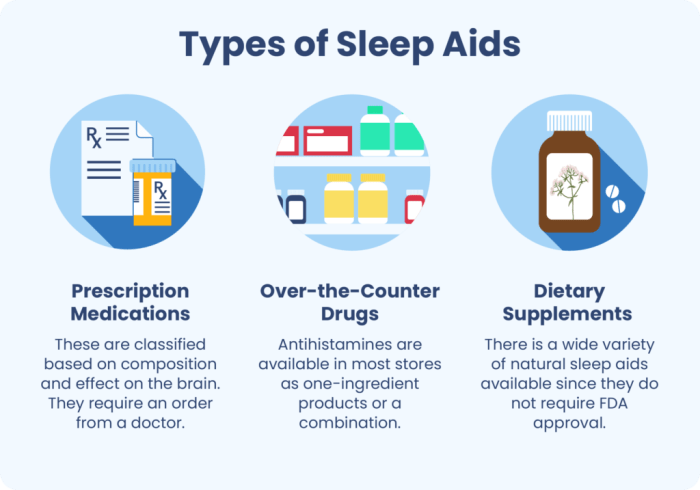
Sleep medication for mental health is a complex topic, balancing the urgent need for restful sleep with the potential risks of medication dependence and side effects. This exploration delves into the various types of sleep medications prescribed for conditions like anxiety and depression, examining their mechanisms, efficacy, and potential long-term consequences. We will also investigate alternative, non-pharmacological approaches to managing sleep disturbances related to mental health, emphasizing the importance of holistic well-being and a multi-faceted approach to treatment.
Understanding the interplay between sleep disorders and mental health conditions is crucial. This discussion will cover the impact of poor sleep on the severity of mental health symptoms and explore the diagnostic process for determining the appropriateness of sleep medication. We’ll highlight the benefits of stress-reduction techniques, such as mindfulness, exercise, and therapy, as essential components of a comprehensive treatment plan.
Finally, we’ll touch upon the critical role of support systems, access to resources, and advocacy in fostering mental well-being.
Overcoming Addictions and Their Impact on Sleep: Sleep Medication For Mental Health

Addiction significantly impacts sleep, creating a vicious cycle that exacerbates both the addiction and its associated mental health challenges. The disruption to sleep patterns isn’t merely a side effect; it’s a core component of the overall struggle. Understanding this relationship is crucial for effective treatment and recovery.Substance abuse frequently disrupts the delicate balance of the sleep-wake cycle. Stimulants, for example, can lead to insomnia and difficulty falling asleep, while depressants can cause excessive daytime sleepiness and disrupt the natural sleep architecture, leading to fragmented and unrefreshing sleep.
The body’s natural sleep-wake rhythms, or circadian rhythms, become desynchronized, resulting in poor sleep quality and further impacting mood, cognitive function, and overall health. This disruption further fuels the addictive cycle, as sleep deprivation intensifies cravings and diminishes self-control.
The Impact of Addiction on Mental Health and Overall Well-being
Addiction’s effects extend far beyond sleep disturbances. It significantly impacts mental health, often leading to anxiety, depression, and other co-occurring disorders. The constant stress of managing cravings, avoiding withdrawal symptoms, and dealing with the consequences of substance use takes a toll on mental and emotional well-being. This creates a complex interplay where poor sleep further exacerbates existing mental health issues, creating a cycle of worsening symptoms and decreased coping mechanisms.
The resulting physical health consequences, such as weakened immunity and increased risk of chronic diseases, further contribute to a decline in overall well-being. For instance, an individual struggling with opioid addiction might experience both insomnia due to the drug’s effects and depression due to the overall impact of their addiction, creating a challenging situation for both their mental and physical health.
The Role of Treatment and Recovery in Improving Sleep Quality
Effective treatment and recovery are paramount in restoring healthy sleep patterns for individuals battling addiction. Treatment approaches often incorporate a combination of therapies aimed at addressing both the addiction and the underlying mental health issues contributing to it. Behavioral therapies, such as cognitive behavioral therapy (CBT) for insomnia and relapse prevention therapy, teach coping mechanisms to manage cravings and improve sleep hygiene.
Medication can also play a crucial role, with certain medications assisting in managing withdrawal symptoms, reducing cravings, and improving sleep quality. However, it is crucial that medication be prescribed and managed under the guidance of a medical professional to minimize potential risks and interactions. A holistic approach that addresses both the physical and psychological aspects of addiction is essential for long-term success and improved sleep.
The consistent support provided through recovery programs, including group therapy and peer support networks, creates a positive environment that fosters sustained recovery and contributes to better sleep. The successful completion of a detox program, followed by ongoing therapy and support, is often a crucial step towards improving sleep and overall well-being.
Personal Growth and Self-Care Practices
Cultivating a strong sense of self and prioritizing well-being are crucial for navigating the challenges of life and fostering resilience. Personal growth involves continuous learning, self-reflection, and the conscious adoption of healthy habits that promote both mental and emotional well-being. Self-care, in this context, isn’t about indulgence, but rather about proactively attending to your physical, emotional, and mental needs.
It’s an investment in your overall health and happiness.Self-care practices significantly impact mental and emotional well-being, reducing stress, improving mood, and fostering a sense of self-compassion. By implementing consistent self-care routines, individuals can better manage stress, enhance their coping mechanisms, and cultivate a greater sense of self-awareness. This proactive approach to well-being contributes to improved overall mental health and reduces the likelihood of developing or exacerbating mental health conditions.
Self-Care Practices for Enhanced Well-being, Sleep medication for mental health
A variety of self-care practices can contribute to improved mental and emotional health. These practices should be tailored to individual needs and preferences, but consistent engagement is key to realizing their benefits.
- Mindfulness and Meditation: Regular mindfulness exercises, even for short periods, can help manage stress and improve focus. Visualizing a peaceful scene or focusing on your breath can calm racing thoughts.
- Physical Exercise: Engaging in regular physical activity releases endorphins, which have mood-boosting effects. This could range from a brisk walk to a more intense workout.
- Healthy Diet: Nourishing your body with a balanced diet provides the essential nutrients needed for optimal brain function and emotional regulation. Prioritizing whole foods and limiting processed foods is beneficial.
- Sufficient Sleep: Aim for 7-9 hours of quality sleep per night. Establishing a regular sleep schedule and creating a relaxing bedtime routine can significantly improve sleep quality.
- Spending Time in Nature: Exposure to natural environments has been shown to reduce stress and improve mood. A simple walk in a park or spending time in a garden can be beneficial.
- Connecting with Others: Maintaining strong social connections is crucial for mental well-being. Spending time with loved ones, engaging in social activities, or seeking support from friends and family can be very helpful.
- Engaging in Hobbies: Participating in activities you enjoy can provide a sense of accomplishment and reduce stress. This could be anything from reading to painting to playing a musical instrument.
- Setting Boundaries: Learning to say “no” to commitments that drain your energy is essential for self-preservation. Protecting your time and energy allows you to prioritize your well-being.
- Journaling: Writing down your thoughts and feelings can be a cathartic experience, helping to process emotions and gain self-awareness.
- Seeking Professional Support: Don’t hesitate to seek help from a therapist or counselor if you’re struggling with your mental health. Professional guidance can provide valuable support and coping strategies.
Goal Setting and Prioritization of Self-Care
Setting realistic goals and prioritizing self-care activities are crucial for sustainable well-being. Goals should be specific, measurable, achievable, relevant, and time-bound (SMART). Prioritizing self-care ensures that these activities are consistently integrated into daily life, rather than being treated as an afterthought. For example, instead of vaguely aiming to “eat healthier,” a SMART goal might be: “Eat at least five servings of fruits and vegetables every day for the next week.” Prioritizing means scheduling self-care activities like exercise or meditation into your day, just as you would schedule important meetings or appointments.
Managing Negative Self-Talk and Promoting Positive Self-Esteem
Negative self-talk can significantly impact self-esteem and overall well-being. Identifying and challenging these negative thoughts is essential for promoting a more positive self-image. Techniques for managing negative self-talk include: cognitive restructuring (identifying and replacing negative thoughts with more balanced and realistic ones), self-compassion (treating oneself with kindness and understanding), and positive affirmations (repeating positive statements about oneself). For example, instead of thinking “I’m a failure,” one might reframe the thought to “I made a mistake, but I can learn from it.” Building self-esteem involves celebrating accomplishments, focusing on strengths, and practicing self-acceptance.
Ultimately, addressing sleep problems related to mental health requires a personalized approach that considers individual needs and circumstances. While sleep medication can provide temporary relief, a holistic strategy encompassing lifestyle changes, therapeutic interventions, and stress management techniques offers a more sustainable path to improved sleep and overall mental well-being. Prioritizing self-care, seeking professional support, and advocating for improved mental health services are crucial steps towards achieving lasting positive change.
Answers to Common Questions
What are the common misconceptions about sleep medication?
A common misconception is that sleep medication is a quick fix for all sleep problems. It’s important to remember that medication should be part of a comprehensive treatment plan and not a standalone solution. Another misconception is that all sleep medications are equally safe and effective. The best medication choice varies depending on individual needs and health conditions.
How long can I safely take sleep medication?
The duration of sleep medication use depends on individual circumstances and should always be determined in consultation with a healthcare professional. Long-term use can carry risks, and a plan for gradual reduction or alternative approaches should be discussed with your doctor.
Can I take sleep medication with other medications?
Interactions between sleep medication and other drugs are possible. It is crucial to inform your doctor of all medications, supplements, and herbal remedies you are taking to avoid potential adverse effects. Never self-medicate.
What are the withdrawal symptoms from sleep medication?
Withdrawal symptoms vary depending on the medication and duration of use. They can range from mild insomnia to more severe symptoms like anxiety, nausea, and even seizures in some cases. Always consult your doctor before stopping sleep medication to develop a safe and gradual tapering-off plan.


