Anxiety Management Techniques for Teens
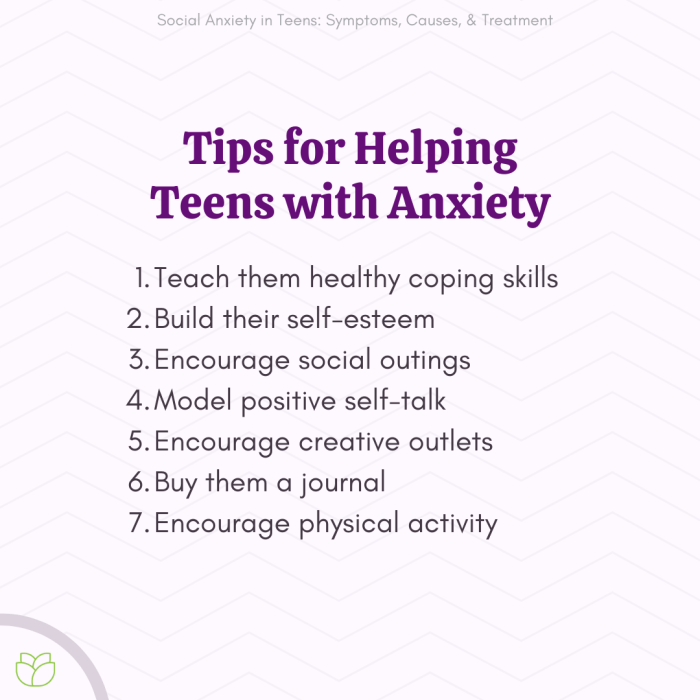
Anxiety management techniques for teens are crucial for navigating the challenges of adolescence. This period of life brings significant changes—academics, social pressures, and identity formation—all of which can contribute to heightened anxiety levels. Understanding the various types of anxiety, recognizing symptoms, and implementing effective coping mechanisms are key to fostering mental well-being and resilience during this formative time.
This guide explores practical strategies and resources to help teens manage their anxiety effectively.
From simple breathing exercises and mindfulness practices to lifestyle adjustments and professional support, this resource offers a comprehensive approach to anxiety management. We’ll delve into the science behind anxiety in teens, exploring common causes and triggers. Furthermore, we’ll equip teens with the tools and knowledge to build resilience and navigate stressful situations with confidence, empowering them to take control of their mental health.
Understanding Anxiety in Teens
Teenage years are a period of significant physical, emotional, and social change, making adolescents particularly vulnerable to anxiety. Navigating academic pressures, social dynamics, and identity formation can contribute to heightened anxiety levels. Understanding the causes, symptoms, and types of anxiety in teens is crucial for effective management and support.
Common Causes of Anxiety in Teenagers
Several factors contribute to the development of anxiety disorders in teenagers. Academic pressure, such as exams and college applications, can be a significant source of stress. Social anxieties, including fear of rejection, bullying, or social situations, are also prevalent. Changes in family dynamics, such as divorce or parental conflict, can impact a teen’s emotional well-being. Furthermore, exposure to traumatic events or significant life changes can trigger anxiety.
Underlying biological factors and genetic predispositions also play a role. Finally, the pervasive use of social media can contribute to anxiety through social comparison and cyberbullying.
Typical Symptoms of Anxiety Disorders in Adolescents
Anxiety in teenagers manifests in various ways. Physical symptoms can include rapid heartbeat, shortness of breath, sweating, trembling, and stomach aches. Cognitive symptoms encompass excessive worrying, difficulty concentrating, and intrusive thoughts. Behavioral symptoms may include avoidance of feared situations, irritability, restlessness, and sleep disturbances. Emotional symptoms include feelings of nervousness, fear, dread, and overwhelming worry.
The intensity and frequency of these symptoms vary depending on the individual and the specific anxiety disorder.
Different Types of Anxiety Disorders in Teens
Several anxiety disorders commonly affect teenagers. Generalized Anxiety Disorder (GAD) involves persistent and excessive worry about various aspects of life. Social Anxiety Disorder (SAD), also known as social phobia, involves intense fear and avoidance of social situations. Panic Disorder is characterized by recurrent and unexpected panic attacks, which are episodes of intense fear accompanied by physical symptoms. Specific Phobias involve intense fear of a specific object or situation, such as spiders, heights, or enclosed spaces.
Separation Anxiety Disorder involves excessive fear or anxiety about separation from attachment figures. Obsessive-Compulsive Disorder (OCD) involves recurrent intrusive thoughts (obsessions) and repetitive behaviors (compulsions) aimed at reducing anxiety.
Situations Commonly Triggering Anxiety in Teenagers
Many situations commonly trigger anxiety in teenagers. Academic assessments, such as exams and presentations, are frequent triggers. Social events, like parties or dates, can also be sources of anxiety. Competition, whether academic or extracurricular, can increase stress and anxiety levels. Family conflicts or significant life changes, such as moving or a death in the family, can significantly impact a teen’s emotional state.
Exposure to negative social media content or cyberbullying can exacerbate anxiety. Furthermore, pressure to conform to peer expectations can contribute to feelings of anxiety and inadequacy.
Comparing Anxiety Symptoms with Normal Teenage Emotional Fluctuations
| Symptom | Anxiety Disorder | Normal Teenage Emotional Fluctuation | Distinguishing Feature |
|---|---|---|---|
| Excessive Worry | Persistent, excessive worry about many things, interfering with daily life. | Occasional worry about specific events or situations. | Intensity, duration, and impact on functioning. |
| Irritability | Frequent and intense irritability, often out of proportion to the situation. | Occasional mood swings and irritability. | Frequency, intensity, and lack of identifiable trigger. |
| Sleep Disturbances | Significant difficulty falling asleep, staying asleep, or experiencing restful sleep. | Occasional difficulty sleeping due to stress or excitement. | Chronic nature and significant impact on daytime functioning. |
| Physical Symptoms | Frequent physical symptoms like rapid heartbeat, sweating, and stomach aches, often without clear medical cause. | Occasional physical symptoms related to stress or illness. | Frequency, intensity, and lack of correlation with identifiable physical illness. |
Effective Coping Mechanisms
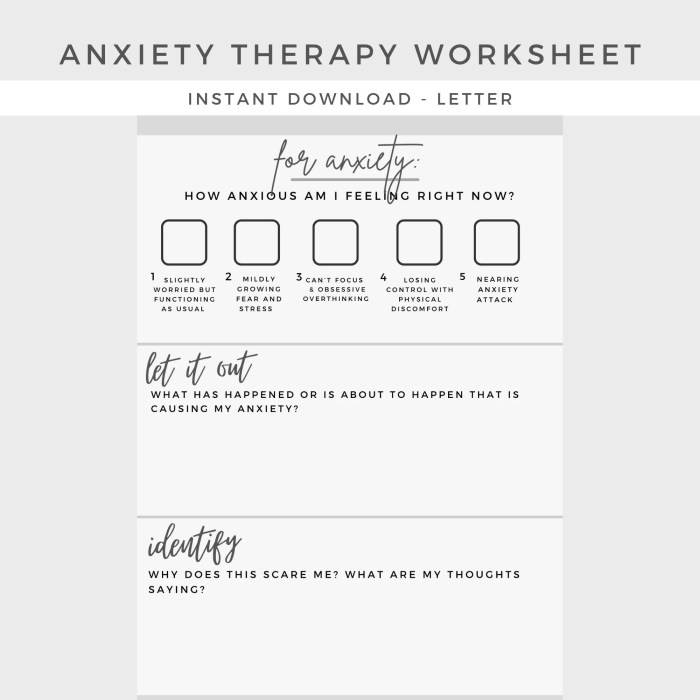
Managing anxiety as a teen can feel overwhelming, but thankfully, several effective coping mechanisms can help you navigate these challenges. These techniques aren’t quick fixes, but consistent practice can significantly improve your ability to handle anxious feelings and build resilience. Remember, finding what works best for you might involve trying a few different approaches.
Practical Anxiety Management Techniques
Teens can employ various strategies to manage their anxiety. The effectiveness of each technique varies depending on the individual and the specific situation. However, these methods offer valuable tools for building coping skills.
- Progressive Muscle Relaxation: This technique involves systematically tensing and releasing different muscle groups in your body. By focusing on physical sensations, you can learn to distinguish between tension and relaxation, promoting a sense of calm. Benefits: Reduces physical symptoms of anxiety like muscle tension and headaches. Limitations: Requires dedicated practice and may not be effective for all types of anxiety.
- Journaling: Writing down your thoughts and feelings can help you process emotions and identify triggers for your anxiety. Regular journaling can provide a valuable outlet for emotional expression and self-reflection. Benefits: Improves self-awareness and emotional regulation. Limitations: May not be immediately effective and requires consistent effort.
- Mindful Movement: Engaging in physical activity like yoga, tai chi, or even a brisk walk can be incredibly beneficial. The focus on the present moment during these activities helps to quiet the anxious mind. Benefits: Releases endorphins, reduces stress hormones, and improves mood. Limitations: Requires time commitment and may not be accessible to everyone.
- Spending Time in Nature: Studies show that spending time outdoors can have a calming effect on the nervous system. The sights, sounds, and smells of nature can help to ground you in the present moment and reduce feelings of anxiety. Benefits: Reduces stress, improves mood, and promotes relaxation. Limitations: Weather dependent and may not be easily accessible to all teens.
- Positive Self-Talk: Replacing negative thoughts with positive affirmations can help to shift your perspective and reduce anxiety. This involves consciously challenging negative thoughts and replacing them with more realistic and positive ones. Benefits: Improves self-esteem and reduces negative self-perception. Limitations: Requires consistent practice and may be challenging initially.
Mindfulness Practices for Anxiety Reduction
Mindfulness involves paying attention to the present moment without judgment. By focusing on your breath, bodily sensations, or sounds around you, you can gently detach from anxious thoughts and feelings. Regular mindfulness practice strengthens your ability to observe your thoughts and emotions without getting carried away by them. This creates a sense of calm and control.
Deep Breathing Exercises for Anxiety Relief
Deep breathing exercises are a simple yet powerful way to alleviate anxiety. They work by slowing your heart rate and reducing the production of stress hormones.
- Find a comfortable position, either sitting or lying down.
- Close your eyes gently.
- Inhale slowly and deeply through your nose, counting to four.
- Hold your breath for a count of two.
- Exhale slowly through your mouth, counting to six.
- Repeat steps 3-5 for five to ten minutes.
This technique can be practiced anytime, anywhere, making it a readily accessible tool for managing anxiety in daily life.
Ease of Implementation of Anxiety Management Techniques
The following list ranks the techniques based on their ease of implementation, considering factors like time commitment, required resources, and level of skill needed. This is a subjective assessment, and individual experiences may vary.
- Easy: Deep breathing exercises, positive self-talk, spending time in nature.
- Moderate: Progressive muscle relaxation, mindful movement.
- More challenging (requires more commitment): Journaling.
Stress Management Strategies: Anxiety Management Techniques For Teens
Stress is a common experience for teens, often stemming from academic pressure, social situations, or family dynamics. Learning effective stress management techniques is crucial for maintaining mental and physical well-being during this challenging period. These techniques can help teens navigate stressful situations more effectively and build resilience.
Three Effective Stress Management Techniques
Effective stress management involves a multifaceted approach. Three particularly useful techniques for teens are deep breathing exercises, mindfulness meditation, and regular physical activity. These techniques target different aspects of the stress response, offering a holistic approach to managing stress levels.
Deep Breathing Exercises
Deep breathing exercises are a simple yet powerful way to calm the nervous system. When stressed, our breathing becomes shallow and rapid, exacerbating anxiety. Deep, slow breaths activate the parasympathetic nervous system, which helps slow the heart rate and reduce feelings of panic. A common technique involves inhaling deeply through the nose, holding the breath for a few seconds, and then exhaling slowly through the mouth.
This can be repeated several times until a sense of calm is achieved. The technique works by directly influencing the body’s physiological response to stress, shifting it from the “fight-or-flight” response to a more relaxed state. Practicing regularly can build resilience and make it easier to manage stress in various situations.
Mindfulness Meditation
Mindfulness meditation involves focusing on the present moment without judgment. This technique helps teens become more aware of their thoughts and feelings without getting carried away by them. By observing thoughts and sensations without reacting, teens can reduce the intensity of their emotional response to stressful situations. Guided meditations, readily available through apps or online resources, can be particularly helpful for beginners.
The effectiveness lies in its ability to cultivate a sense of detachment from stressful thoughts and emotions, allowing teens to observe them without being overwhelmed. This fosters emotional regulation and reduces reactivity to stressors.
Regular Physical Activity
Regular physical activity is a highly effective stress reliever. Exercise releases endorphins, which have mood-boosting effects. Moreover, physical activity provides a healthy outlet for pent-up energy and frustration, often associated with stress. Activities like running, swimming, team sports, or even a brisk walk can significantly reduce stress levels. The benefits stem from both the physiological effects of exercise (endorphin release, improved cardiovascular health) and the psychological benefits (distraction from stressors, increased self-esteem).
Consistency is key; even short bursts of activity throughout the day can be beneficial.
Comparing and Contrasting Effectiveness
Deep breathing is most effective for immediate stress reduction, offering quick relief in tense situations. Mindfulness meditation is better suited for long-term stress management, cultivating a more resilient mindset over time. Regular physical activity combines both immediate and long-term benefits, providing both an immediate mood boost and building overall resilience. The best approach often involves combining these techniques; for example, using deep breathing during a stressful exam, practicing mindfulness meditation daily, and engaging in regular physical activity to build overall well-being.
Incorporating Stress Management into a Daily Routine
Integrating stress management techniques into a daily routine requires planning and commitment. A simple approach involves scheduling 10-15 minutes each morning for deep breathing or mindfulness meditation. Incorporating physical activity can be as easy as taking the stairs instead of the elevator or walking or cycling to school whenever possible. Building these practices into the daily schedule, much like brushing teeth or doing homework, reinforces their importance and makes them a natural part of the day.
Consistency is crucial; even small amounts of time dedicated to these activities can make a significant difference.
Visual Representation of Stress Impact
Imagine a tightly wound spring, representing the body under stress. The spring is initially coiled neatly, representing a relaxed state. As stress builds, the spring becomes increasingly compressed, symbolizing the body’s physiological response: increased heart rate, muscle tension, and shallow breathing. The mind, depicted as a clear stream initially, becomes muddied and turbulent, reflecting racing thoughts, anxiety, and difficulty concentrating.
As stress management techniques are applied, the spring slowly unwinds, and the stream gradually clears, signifying a return to a state of calm and focus.
The Role of Lifestyle
Maintaining a healthy lifestyle is crucial for managing anxiety in teenagers. The interconnectedness of physical and mental health means that neglecting aspects like sleep, diet, and exercise can significantly impact anxiety levels, while a balanced approach can foster improved mental well-being. Small, consistent changes can make a big difference in reducing anxiety and promoting overall health.
Sleep Hygiene for Teenagers
Adequate sleep is essential for both physical and mental health. During sleep, the brain consolidates memories, processes emotions, and repairs itself. Sleep deprivation can exacerbate anxiety symptoms, making teenagers more irritable, prone to emotional outbursts, and more sensitive to stress. Establishing good sleep hygiene involves creating a consistent sleep schedule, even on weekends, to regulate the body’s natural sleep-wake cycle.
This includes creating a relaxing bedtime routine, ensuring a dark, quiet, and cool sleep environment, and avoiding screen time before bed. Limiting caffeine and alcohol intake, especially close to bedtime, is also vital. A consistent sleep schedule, even on weekends, helps regulate the body’s natural sleep-wake cycle, promoting more restful sleep and reducing daytime fatigue and irritability.
Aim for 8-10 hours of sleep per night.
Nutrition and Anxiety Management
A balanced and nutritious diet plays a significant role in managing anxiety. Regular consumption of nutrient-rich foods provides the body with the essential vitamins and minerals needed for optimal brain function and stress management. Foods rich in omega-3 fatty acids, such as salmon and flaxseed, have been shown to have anti-inflammatory properties that can benefit mental health. Similarly, foods rich in complex carbohydrates, like whole grains and fruits, provide sustained energy release, preventing energy crashes that can trigger anxiety.
Conversely, processed foods, sugary drinks, and excessive caffeine can exacerbate anxiety symptoms by leading to blood sugar fluctuations and stimulating the nervous system. Prioritizing whole, unprocessed foods, and limiting sugary snacks and drinks, can significantly improve mental well-being. A balanced diet, rich in fruits, vegetables, whole grains, and lean protein, provides the body with the necessary nutrients to support mental health and manage stress effectively.
Exercise Routines for Mental Health
Regular physical activity is a powerful tool for managing anxiety. Exercise releases endorphins, which have mood-boosting effects. It also helps reduce stress hormones like cortisol. Age-appropriate exercise routines can include activities like brisk walking, cycling, swimming, team sports, or yoga. Even short bursts of activity throughout the day can be beneficial.
For example, a 30-minute walk after school can help alleviate stress and improve mood. Joining a sports team can provide social interaction and a sense of accomplishment, further enhancing mental well-being. Yoga and mindfulness exercises can also be particularly effective in managing anxiety, teaching techniques for relaxation and stress reduction. Finding an activity that is enjoyable and sustainable is key to long-term success.
Remember to consult a healthcare professional before starting any new exercise program.
Building Resilience and Self-Care
Resilience is the ability to bounce back from adversity, stress, and challenges. It’s not about avoiding hardship, but about developing the inner strength and coping mechanisms to navigate difficult situations and emerge stronger. For teenagers, facing academic pressure, social anxieties, and the complexities of identity development, resilience is crucial for their mental well-being and overall success. Building resilience equips them with the tools to manage stress effectively and maintain a positive outlook, even in the face of setbacks.Developing resilience involves fostering a mindset of hope and believing in one’s ability to overcome obstacles.
It’s about learning from mistakes, adapting to change, and viewing challenges as opportunities for growth. This process is significantly enhanced through consistent self-care practices, which prioritize mental and emotional health.
Strategies for Building Resilience in Teenagers
Building resilience is a proactive process, not a passive one. It requires consistent effort and the development of specific skills. Teenagers can actively cultivate resilience through several key strategies. These strategies help them develop a sense of control over their lives and build confidence in their ability to manage challenges.
- Identify and Challenge Negative Thoughts: Learning to recognize and reframe negative thought patterns is vital. Instead of dwelling on failures, focus on what can be learned from them. For example, a poor grade on a test might be reframed as an opportunity to improve study habits.
- Develop Problem-Solving Skills: Equipping teenagers with effective problem-solving skills empowers them to approach challenges systematically. Breaking down large problems into smaller, manageable steps reduces feelings of overwhelm and fosters a sense of accomplishment.
- Cultivate Positive Relationships: Strong social support networks provide a buffer against stress. Encouraging teenagers to nurture healthy relationships with family, friends, and mentors provides emotional support and a sense of belonging.
- Practice Mindfulness and Self-Compassion: Mindfulness techniques, such as meditation or deep breathing exercises, help teenagers stay grounded in the present moment, reducing anxiety and promoting self-awareness. Self-compassion involves treating oneself with kindness and understanding, especially during difficult times.
- Set Realistic Goals and Celebrate Achievements: Setting achievable goals and acknowledging progress, no matter how small, builds confidence and motivation. This reinforces a sense of self-efficacy and encourages perseverance.
The Importance of Self-Care Practices for Mental Well-being
Self-care isn’t selfish; it’s essential. It’s about actively engaging in activities that nurture physical, emotional, and mental health. For teenagers, self-care is particularly crucial because of the significant developmental changes and pressures they face. Prioritizing self-care helps teenagers manage stress, improve mood, and build resilience. Neglecting self-care can lead to burnout, anxiety, and depression.
Examples of Self-Care Activities Suitable for Teenagers
Self-care activities should be personalized and enjoyable. The key is to find activities that help teenagers relax, recharge, and connect with themselves. Here are some examples:
- Physical Activity: Exercise releases endorphins, which have mood-boosting effects. This could include team sports, individual workouts, dancing, or simply a walk in nature.
- Creative Expression: Engaging in creative activities like painting, writing, playing music, or photography provides an outlet for emotions and fosters self-expression.
- Mindfulness and Relaxation Techniques: Deep breathing exercises, meditation, or yoga can help reduce stress and improve focus.
- Connecting with Others: Spending time with loved ones, engaging in social activities, or volunteering can foster a sense of belonging and support.
- Adequate Sleep: Getting enough sleep is crucial for physical and mental health. Aim for 8-10 hours of quality sleep each night.
- Healthy Eating: Nourishing the body with healthy foods provides energy and supports overall well-being.
- Spending Time in Nature: Being outdoors can reduce stress and improve mood.
Creating a Personalized Self-Care Plan
A personalized self-care plan is a roadmap to prioritizing well-being. It should be tailored to individual needs and preferences. To create an effective plan, teenagers should:
- Identify their stressors: What situations or activities cause them the most stress?
- Choose self-care activities: Select activities from the list above or find others that appeal to them.
- Schedule self-care time: Block out specific times in their schedule for these activities.
- Be consistent: Regularly engage in their chosen self-care activities.
- Be flexible: Adjust the plan as needed to accommodate changes in their schedule or needs.
- Track progress: Monitor how they feel after engaging in self-care activities.
Depression Support Resources
Navigating depression as a teenager can be incredibly challenging, but it’s important to know that you’re not alone and help is available. Many organizations offer specialized support for teens struggling with depression, providing a safe space to talk, learn coping strategies, and connect with others facing similar experiences. Accessing these resources can be a crucial step towards recovery and improved well-being.Several organizations provide comprehensive support for teenagers experiencing depression.
These resources offer a range of services, from confidential counseling and peer support groups to educational materials and online resources. Understanding the types of support offered and the process of accessing these services is key to finding the right fit for your individual needs.
Reputable Organizations Offering Depression Support for Teens
The following table details three reputable organizations offering support for teens experiencing depression. Each organization provides a unique blend of services designed to meet the diverse needs of young people.
| Organization Name | Contact Information | Website Address (Textual Description) | Types of Support Offered |
|---|---|---|---|
| The Jed Foundation (JED) | Phone number and email address available on their website | The organization’s website address, easily searchable online | Educational resources, crisis support, and a searchable database of mental health professionals. They also offer programs aimed at promoting mental health in schools and communities. |
| The Trevor Project | A crisis hotline number and an online chat feature are available on their website | The organization’s website address, easily searchable online | Crisis intervention services, specifically for LGBTQ young people, including a 24/7 hotline and online chat. They also provide resources and support for parents and allies. |
| The National Alliance on Mental Illness (NAMI) | A national helpline number and various local chapter contact information available on their website | The organization’s website address, easily searchable online | Support groups for teens and families, educational programs, advocacy efforts, and a wealth of online resources about mental health conditions. They offer support and information tailored to different ages and situations. |
Accessing Support from These Organizations, Anxiety management techniques for teens
Accessing support generally involves visiting the organization’s website, where you can find contact information, resources, and details about their services. Many offer online chat features or helplines for immediate support, while others provide information about finding local support groups or mental health professionals. For in-person support, you may need to locate your nearest chapter or affiliated organization. The process is usually straightforward and designed to be accessible to young people.
Successfully managing anxiety in adolescence is a journey, not a destination. By understanding the underlying causes, implementing effective coping mechanisms, and seeking support when needed, teens can build resilience and cultivate a positive relationship with their mental health. Remember, prioritizing self-care, fostering healthy lifestyle habits, and utilizing available resources are all crucial steps in navigating the complexities of teenage life and building a strong foundation for future well-being.
Taking proactive steps towards managing anxiety can lead to a more fulfilling and successful adolescent experience.
FAQ Resource
What if my anxiety feels overwhelming even after trying these techniques?
It’s crucial to seek professional help if your anxiety persists or significantly impacts your daily life. A therapist can provide personalized support and guidance.
How can I help a friend who is struggling with anxiety?
Be supportive and understanding. Encourage them to seek help, offer to listen without judgment, and suggest healthy coping strategies they might find helpful.
Are there any medications that can help with teen anxiety?
Yes, in some cases, medication may be recommended by a doctor or psychiatrist. It’s important to discuss this with a healthcare professional to determine if it’s appropriate.
How do I know if my anxiety is more than just typical teenage stress?
Persistent excessive worry, difficulty concentrating, physical symptoms like rapid heartbeat or trembling, and significant impact on daily life may indicate more than typical stress. Consult a professional for an accurate assessment.


