Nonprofit Organizations Supporting Mental Health
Nonprofit organizations supporting mental health play a vital role in our communities, offering a lifeline to individuals struggling with various mental health challenges. These organizations, ranging from national giants to small local groups, provide a diverse array of services, from therapy and support groups to advocacy and educational programs. Understanding their functions, funding models, and the impact they have is crucial to fostering a society that prioritizes mental well-being.
This exploration delves into the multifaceted world of these nonprofits, examining their operational models, funding sources, and the specific resources they offer for managing stress, anxiety, depression, and other mental health concerns. We’ll also investigate their crucial role in advocacy and policy change, ultimately highlighting the significant contributions these organizations make in improving mental health outcomes for countless individuals.
Depression Support Resources and Programs
Nonprofit organizations offer a vital lifeline for individuals struggling with depression, providing a range of resources and programs designed to support recovery and promote mental well-being. These resources recognize that depression manifests differently in each person, requiring a multifaceted approach to treatment and support. Effective support often involves a combination of professional intervention, peer support, and proactive preventative measures.Many effective approaches to depression support exist.
These range from individual therapies to group settings and even assistance navigating the complexities of medication management. Early intervention is key, significantly impacting the course and severity of the illness.
Types of Depression Support Resources
Nonprofit organizations offer a variety of resources to help individuals cope with depression. These include individual therapy sessions with licensed professionals providing personalized treatment plans. Peer support groups offer a safe and empathetic environment where individuals can connect with others facing similar challenges, sharing experiences and offering mutual support. Some nonprofits also assist with medication management, helping individuals access affordable medications and navigate insurance complexities.
This may involve providing referrals to psychiatrists or connecting individuals with financial assistance programs. Additionally, many organizations offer educational workshops and resources, providing information about depression, its symptoms, and effective coping strategies.
The Role of Early Intervention and Prevention Programs
Early intervention in depression is crucial for improving outcomes and preventing long-term consequences. Identifying and addressing depressive symptoms early can significantly reduce the severity and duration of the illness, improving the chances of full recovery. Prevention programs aim to build resilience and coping mechanisms, equipping individuals with the tools to manage stress and prevent depression from developing. These programs often focus on education, promoting healthy lifestyles, and building strong social support networks.
Early intervention and prevention initiatives frequently incorporate strategies such as mindfulness techniques, stress management skills training, and promoting healthy sleep hygiene. By addressing risk factors and promoting mental well-being proactively, these programs aim to prevent depression or minimize its impact.
Examples of Successful Nonprofit Initiatives
The Jed Foundation is a noteworthy example, focusing on protecting emotional health and preventing suicide for teens and young adults. Their programs promote mental health awareness and provide resources for those struggling with depression and other mental health challenges. The Depression and Bipolar Support Alliance (DBSA) offers support groups, educational materials, and advocacy for individuals and families affected by mood disorders.
Their peer-to-peer support system has proven particularly effective in fostering a sense of community and shared experience. The National Alliance on Mental Illness (NAMI) provides education, advocacy, and support to individuals and families affected by mental illness, including depression. They offer a wide range of programs and resources, including support groups, family education programs, and public awareness campaigns.
These organizations demonstrate the significant impact that dedicated nonprofit initiatives can have on the lives of those affected by depression.
Mindfulness Practices Offered by Mental Health Nonprofits
Many mental health nonprofits recognize the significant benefits of mindfulness practices in promoting emotional well-being and resilience. These organizations offer a range of techniques designed to help individuals cultivate present moment awareness and manage stress effectively. This approach complements traditional therapies and provides accessible tools for self-management.Mindfulness practices are increasingly integrated into mental health programs due to their effectiveness in reducing symptoms of anxiety, depression, and stress.
By fostering self-awareness and emotional regulation, these techniques empower individuals to cope with challenges more effectively and improve their overall quality of life. The integration of these practices is often tailored to specific needs and presented in accessible formats, ensuring broad reach and impact within the community.
Mindfulness Techniques Offered
Nonprofits frequently incorporate several core mindfulness techniques into their programs. These techniques vary in their approach but share the common goal of cultivating present moment awareness. The selection of techniques often depends on the specific needs of the participants and the overall program structure.Meditation, a cornerstone of many mindfulness programs, involves focusing on the present moment, typically through attention to breath, body sensations, or sounds.
Guided meditations, often provided through audio recordings or in-person sessions, can be particularly helpful for beginners. Mindful movement practices, such as yoga, combine physical postures with breathwork and meditation, offering a holistic approach to stress reduction and improved body awareness. Deep breathing exercises, often simple yet profoundly effective, provide a quick and accessible way to calm the nervous system and reduce feelings of anxiety.
Progressive muscle relaxation, another common technique, involves systematically tensing and releasing different muscle groups to relieve physical tension and promote relaxation.
Benefits of Mindfulness Practices for Mental Well-being
Mindfulness practices have demonstrable positive effects on mental well-being. Studies have shown that regular mindfulness practice can reduce symptoms of depression and anxiety, improve sleep quality, and increase self-compassion. By fostering present moment awareness, these practices help individuals to detach from negative thought patterns and reduce rumination. The cultivation of self-awareness allows individuals to recognize and manage their emotions more effectively, reducing reactivity and promoting emotional regulation.
The improved self-awareness fostered by these techniques can lead to a greater sense of self-acceptance and improved relationships.
Mindfulness Integration into a Sample Nonprofit Mental Health Program
Imagine a six-week program offered by a community mental health nonprofit. The program, designed for individuals experiencing mild to moderate anxiety, incorporates mindfulness practices throughout its sessions. Week one introduces basic mindfulness concepts and deep breathing exercises. Weeks two and three focus on guided meditation, using audio recordings and group practice. Weeks four and five introduce mindful movement through gentle yoga sessions.
The final week incorporates relapse prevention strategies, emphasizing the continued practice of mindfulness techniques in daily life. The program also includes educational components on anxiety management and coping skills, further strengthening the participants’ ability to manage their anxiety. Participants receive handouts with guided meditations and breathing exercises to support their practice between sessions. Regular check-ins with a program facilitator allow for personalized support and address any challenges encountered.
The program’s success is measured through pre- and post-program assessments of anxiety levels and overall well-being.
Mental Health Advocacy and Policy Work: Nonprofit Organizations Supporting Mental Health
Mental health nonprofits play a crucial role in advocating for improved mental healthcare access and reducing the stigma surrounding mental illness. Their work extends beyond providing direct services, encompassing significant efforts to influence policy and shape public perception. This advocacy is vital for creating systemic change that benefits individuals and communities struggling with mental health challenges.Nonprofit organizations employ various strategies to achieve their advocacy goals.
These strategies contribute significantly to the advancement of mental health legislation and a more informed and supportive public understanding.
Key Advocacy Roles of Mental Health Nonprofits
Mental health nonprofits engage in several key advocacy roles to improve mental healthcare. These roles are interconnected and work together to create a more supportive environment for those affected by mental illness. Their actions directly influence policy and public perception.Lobbying for policy changes is a primary function. This involves working directly with legislators at local, state, and national levels to advocate for policies that expand access to care, increase funding for mental health services, and implement evidence-based practices.
For example, organizations may lobby for increased parity in insurance coverage for mental and physical health services, ensuring that mental healthcare is treated with the same level of importance and financial support as physical healthcare. They may also advocate for policies that reduce barriers to accessing care, such as streamlining the process for obtaining mental health services or expanding access to telehealth options.Raising public awareness is another critical role.
This includes educational campaigns to combat stigma, promote early intervention, and educate the public about mental health conditions and available resources. Nonprofits might utilize various methods such as social media campaigns, public service announcements, community events, and educational materials to disseminate information and foster understanding. For instance, a campaign might focus on dispelling myths surrounding mental illness, highlighting the importance of seeking help, and showcasing personal stories of recovery.
Impact of Nonprofit Advocacy on Mental Health Legislation and Public Perception
The advocacy efforts of mental health nonprofits have a demonstrable impact on both mental health legislation and public perception. Successful lobbying efforts have led to significant policy changes, such as the Mental Health Parity and Addiction Equity Act in the United States, which mandates equal coverage for mental health and substance use disorder treatment. This legislation is a direct result of years of advocacy by numerous mental health organizations.Similarly, public awareness campaigns have helped to reduce the stigma associated with mental illness.
By sharing personal stories, providing accurate information, and promoting understanding, nonprofits have created a more accepting and supportive environment for individuals seeking help. This shift in public perception is reflected in increased willingness to seek treatment and a greater societal understanding of the challenges faced by those living with mental illness. This positive change has facilitated improved access to care and increased support for mental health initiatives.
Hypothetical Advocacy Campaign: Addressing Youth Anxiety
Let’s consider a hypothetical advocacy campaign by a nonprofit focused on reducing youth anxiety. The campaign, titled “Youth Thrive,” would aim to increase access to evidence-based anxiety treatments for adolescents and improve early intervention strategies in schools.The campaign would involve several key steps:* Phase 1: Research and Data Collection: Gathering data on the prevalence of anxiety among youth in the target community, identifying existing resources and gaps in service provision, and analyzing successful interventions used elsewhere.
Phase 2
Public Awareness Campaign: Launching a public awareness campaign utilizing social media, school presentations, and partnerships with local media outlets to educate parents, educators, and young people about anxiety, its symptoms, and available support. This includes highlighting the importance of early intervention. The campaign would feature testimonials from young people who have successfully managed their anxiety, along with information on accessible resources.
Phase 3
Policy Advocacy: Working with local and state legislators to advocate for policies that increase funding for school-based mental health services, mandate training for educators on identifying and supporting students with anxiety, and expand access to affordable therapy for adolescents. This includes lobbying for the inclusion of mental health services in school budgets and advocating for policies that improve access to telehealth services.
Phase 4
Community Partnerships: Building collaborations with schools, healthcare providers, and community organizations to create a comprehensive support network for young people experiencing anxiety. This includes establishing partnerships with schools to provide on-site counseling services and creating community support groups for young people and their families.
Phase 5
Evaluation and Sustainability: Measuring the impact of the campaign through data collection and evaluation to determine its effectiveness and inform future strategies. This involves tracking changes in anxiety rates among youth, evaluating the utilization of mental health services, and assessing the impact of policy changes. The campaign will also focus on developing sustainable strategies to ensure long-term support for young people and prevent future anxiety issues.This multifaceted approach combines public awareness, policy advocacy, and community engagement to create a significant and lasting impact on youth mental health.
Therapy and Counseling Options Provided by or Through Nonprofits
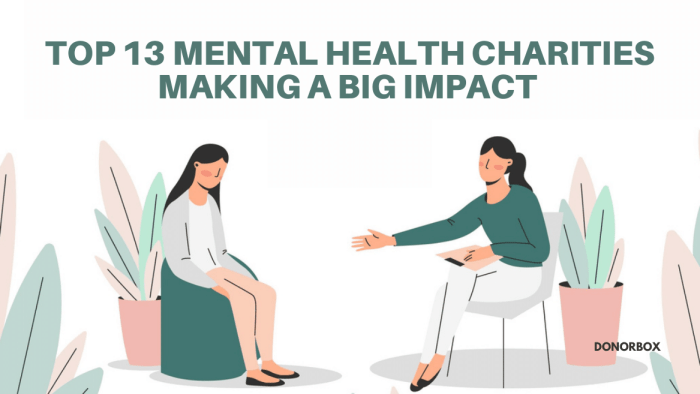
Nonprofit organizations play a vital role in expanding access to mental healthcare, offering a range of therapy and counseling services to individuals and families who might otherwise lack access due to financial constraints or geographical limitations. These services vary widely depending on the specific nonprofit and its resources, but generally aim to provide affordable or free support to those in need.Many nonprofits offer a variety of therapeutic approaches to cater to diverse needs and preferences.
The types of therapy available and the specific approaches used are largely determined by the therapists’ training and the organization’s overall philosophy. Understanding these differences helps individuals choose the most appropriate option for their situation.
Types of Therapy and Counseling Services
Nonprofit mental health organizations typically provide individual, group, and family therapy. Individual therapy involves one-on-one sessions between a therapist and a client, allowing for focused attention on personal issues. Group therapy brings together individuals facing similar challenges, creating a supportive environment for sharing experiences and learning from others. Family therapy addresses relational dynamics within families, aiming to improve communication and resolve conflicts.
Some nonprofits also offer specialized therapies, such as trauma-informed therapy or cognitive behavioral therapy (CBT), depending on their expertise and the needs of their client population.
Therapist Approaches and Techniques
The approaches used by therapists working with nonprofits vary widely. Some may utilize a psychodynamic approach, focusing on unconscious patterns and past experiences. Others may employ cognitive behavioral therapy (CBT), which emphasizes the connection between thoughts, feelings, and behaviors. Still others might utilize person-centered therapy, emphasizing the client’s self-awareness and inherent capacity for growth. The specific approach is often influenced by the therapist’s training and the organization’s overall therapeutic philosophy.
For example, a nonprofit focused on trauma recovery might primarily employ trauma-informed approaches, while a nonprofit focusing on anxiety might utilize CBT techniques extensively.
Ensuring Access to Affordable or Free Therapy
Nonprofits employ various strategies to make therapy accessible. Many rely on a sliding scale fee system, adjusting costs based on a client’s income. Some organizations offer free services entirely, funded through grants, donations, and fundraising initiatives. Others may partner with insurance providers or government programs to help clients cover costs. Volunteer therapists also contribute significantly to many nonprofits, providing pro bono services to expand capacity and reach a wider client base.
For instance, a community mental health center might offer free group therapy sessions supported by grants and the volunteer time of licensed therapists, while simultaneously offering sliding-scale individual therapy to those who can afford a reduced fee. This multifaceted approach allows nonprofits to reach a diverse population and address a range of needs.
Building Resilience and Coping Mechanisms
Nonprofit organizations play a vital role in equipping individuals facing mental health challenges with the tools and strategies needed to build resilience and develop effective coping mechanisms. Resilience, the ability to bounce back from adversity, is not an innate trait but a skill that can be learned and strengthened through targeted interventions. These programs empower individuals to navigate challenges, manage stress, and foster a sense of well-being, leading to improved mental health outcomes.
Many nonprofits offer a range of evidence-based programs designed to foster resilience. These programs often combine educational components with practical skill-building exercises, creating a holistic approach to mental well-being. The specific strategies employed vary depending on the organization and the needs of the individuals they serve, but common themes include stress management techniques, problem-solving skills, and the development of strong social support networks.
Resilience-Building Strategies and Programs
The following table Artikels common strategies employed by nonprofits to build resilience and coping mechanisms, detailing their benefits and providing illustrative examples.
| Strategy | Description | Benefits | Examples |
|---|---|---|---|
| Cognitive Behavioral Therapy (CBT) | A therapeutic approach that helps individuals identify and change negative thought patterns and behaviors contributing to distress. | Improved mood regulation, reduced anxiety, increased self-efficacy. | Nonprofits might offer group CBT sessions focused on managing depression or anxiety, or individual CBT sessions tailored to specific needs. |
| Mindfulness and Meditation | Practices that cultivate present moment awareness and acceptance, reducing reactivity to stress and promoting emotional regulation. | Reduced stress and anxiety, increased self-awareness, improved focus and concentration. | Guided meditation sessions, mindfulness-based stress reduction (MBSR) courses, and mobile apps with mindfulness exercises are often offered. |
| Stress Management Techniques | Strategies for managing stress effectively, including relaxation techniques, time management skills, and healthy lifestyle choices. | Reduced stress levels, improved sleep quality, increased energy levels. | Workshops on stress management, yoga classes, and education on healthy coping mechanisms like exercise and proper nutrition. |
| Social Support and Connection | Building and strengthening social connections through group activities, peer support groups, and community involvement. | Reduced feelings of isolation, increased sense of belonging, improved emotional well-being. | Peer support groups for individuals with similar mental health experiences, community volunteer opportunities, and social events organized by the nonprofit. |
| Problem-Solving Skills Training | Developing skills to effectively identify, analyze, and solve problems, fostering a sense of control and self-efficacy. | Increased confidence in handling challenges, improved decision-making skills, reduced feelings of helplessness. | Workshops focusing on problem-solving strategies, role-playing exercises to practice conflict resolution, and individual coaching sessions. |
Long-Term Benefits of Resilience-Building Programs
Participation in resilience-building programs yields significant long-term benefits. Individuals develop a stronger sense of self-efficacy, believing in their ability to overcome challenges. They learn to manage stress more effectively, reducing the likelihood of future mental health crises. Furthermore, improved coping mechanisms lead to better overall mental and physical health, enhanced relationships, and increased participation in work and social activities.
This contributes to greater independence and improved quality of life, allowing individuals to lead fulfilling and productive lives.
The Relationship Between Sleep and Mental Health
Mental health nonprofits recognize a strong bidirectional relationship between sleep and mental well-being. Poor sleep quality significantly impacts mental health, exacerbating symptoms of anxiety, depression, and other conditions. Conversely, untreated mental health issues often disrupt sleep patterns, creating a vicious cycle. Effective mental health support frequently includes addressing sleep hygiene and promoting healthy sleep habits.Nonprofits play a crucial role in educating individuals about the importance of sleep for mental wellness.
They achieve this through various methods, emphasizing the interconnectedness of physical and mental health. This education often involves dispelling common misconceptions about sleep and highlighting the detrimental effects of sleep deprivation on cognitive function, mood regulation, and overall mental resilience.
Educational Strategies Employed by Nonprofits to Improve Sleep Hygiene
Many nonprofits utilize a multifaceted approach to educate individuals on improving sleep hygiene. This includes workshops, online resources, and individual counseling sessions. Workshops often cover practical strategies such as establishing regular sleep schedules, creating a relaxing bedtime routine, and optimizing the sleep environment. Online resources typically provide accessible information on sleep disorders, sleep hygiene tips, and self-help techniques. Individual counseling allows for personalized guidance and addresses specific sleep-related challenges.
For instance, a nonprofit might offer a workshop on cognitive behavioral therapy for insomnia (CBT-I), a highly effective treatment for chronic sleep problems. CBT-I helps individuals identify and modify unhelpful thoughts and behaviors that contribute to sleep difficulties.
Examples of Sleep-Related Resources and Programs
Several mental health nonprofits offer specific programs targeting sleep improvement. Some examples include:
- Sleep hygiene workshops: These interactive sessions provide education and practical strategies for improving sleep quality. Participants learn about creating a conducive sleep environment, establishing a regular sleep schedule, and practicing relaxation techniques.
- Online sleep education modules: Many organizations offer accessible online resources, including videos, articles, and downloadable guides, providing comprehensive information on sleep hygiene and sleep disorders.
- CBT-I therapy: Some nonprofits offer individual or group therapy sessions focusing on CBT-I techniques to help individuals overcome insomnia and other sleep problems.
- Support groups: Peer support groups provide a safe and understanding environment for individuals to share experiences, learn from others, and receive encouragement in managing sleep difficulties.
These resources are often tailored to specific populations, such as veterans, young adults, or individuals experiencing specific mental health challenges, ensuring accessibility and relevance to diverse needs. For example, a nonprofit supporting veterans might incorporate trauma-informed approaches into its sleep education programs, acknowledging the unique sleep challenges faced by this population. Similarly, a nonprofit focused on adolescent mental health might adapt its resources to address the specific sleep patterns and challenges of teenagers.
Workplace Mental Health Initiatives Supported by Nonprofits
Nonprofit organizations play a crucial role in improving workplace mental health by offering a range of services and advocating for policy changes. Their involvement extends beyond simply providing resources; they actively work to create a culture of understanding and support within companies, ultimately leading to healthier and more productive workforces. This often involves partnerships with businesses of all sizes, from small startups to large corporations.Nonprofits contribute significantly to enhancing workplace mental well-being and productivity by providing tailored training programs, accessible resources, and effective advocacy.
Their expertise in mental health allows them to design and implement interventions that address the specific needs of employees and employers, fostering a supportive environment where mental health is prioritized. This, in turn, results in reduced absenteeism, increased employee engagement, and improved overall company performance.
The Role of Nonprofits in Promoting Workplace Mental Health
Nonprofits provide essential support to businesses in several key ways. They often offer training programs for managers and employees on topics such as stress management, recognizing signs of mental health challenges in colleagues, and fostering supportive communication. Furthermore, they provide access to valuable resources, such as online tools, employee assistance programs (EAPs), and mental health first aid training.
Finally, nonprofits actively engage in advocacy, working to influence workplace policies and legislation that promote mental health. This advocacy can include lobbying for better mental health benefits packages or advocating for changes to workplace culture that reduce stress and promote well-being.
Impact of Workplace Mental Health Programs on Employee Well-being and Productivity
Implementing effective workplace mental health programs demonstrably improves employee well-being and boosts productivity. Studies have shown a correlation between supportive workplace environments and reduced rates of absenteeism, presenteeism (being at work but not fully productive), and employee turnover. When employees feel supported and understand that their mental health is valued, they are more likely to be engaged, motivated, and productive.
Improved mental health also leads to better physical health outcomes, reducing healthcare costs for both the employee and the employer. For example, a study by the American Psychological Association found that employees who reported higher levels of job satisfaction and support also reported lower levels of stress and burnout. This positive impact translates into tangible benefits for companies, including increased profitability and a stronger competitive edge.
Sample Workplace Mental Health Program: “Flourish at Work”
Let’s imagine a hypothetical collaboration between “Mindful Workplace,” a nonprofit specializing in workplace mental health, and “TechSolutions,” a technology company with 500 employees. Their joint program, “Flourish at Work,” would encompass several key components:
Training and Workshops
Mindful Workplace would deliver a series of workshops for TechSolutions employees on stress management techniques, mindfulness practices, and communication skills. Managers would receive separate training on recognizing and addressing mental health concerns in their teams, fostering open communication, and creating a supportive environment.
Resource Hub
A dedicated online resource hub, accessible to all TechSolutions employees, would be created. This hub would contain information on mental health conditions, self-help resources, links to local mental health services, and access to Mindful Workplace’s online mental health support tools.
Employee Assistance Program (EAP) Enhancement
Mindful Workplace would collaborate with TechSolutions to enhance their existing EAP, providing additional resources and support for employees needing professional help. This could involve direct referral pathways and support for accessing mental health services.
Mental Health Awareness Campaigns
Throughout the year, Mindful Workplace and TechSolutions would launch targeted campaigns to raise awareness about mental health issues and reduce stigma within the workplace. These campaigns could include presentations, workshops, and internal communication initiatives promoting a culture of support and understanding.
Regular Check-ins and Feedback
To ensure program effectiveness, Mindful Workplace would conduct regular check-ins with TechSolutions to gather employee feedback and make adjustments as needed. This iterative approach allows for ongoing improvement and adaptation to the specific needs of the workforce. The success of the program would be measured by tracking employee satisfaction, absenteeism rates, and employee feedback through surveys and focus groups.
Overcoming Addictions with Nonprofit Support
Nonprofit organizations play a vital role in helping individuals overcome addictions, offering a range of services and support that are often crucial for successful recovery. These organizations recognize the multifaceted nature of addiction and provide holistic approaches that address the physical, emotional, and social aspects of recovery. Their services are often accessible and affordable, filling gaps in the broader healthcare system.Nonprofit assistance in overcoming addictions encompasses several key areas.
They provide a crucial safety net, offering support groups, individual and group counseling, and treatment referrals. Relapse prevention strategies are taught, equipping individuals with tools to manage cravings and triggers. Furthermore, many nonprofits offer resources for navigating the complexities of insurance coverage and accessing affordable treatment options.
Support Groups and Peer Support Networks
Support groups are a cornerstone of many nonprofit addiction recovery programs. These groups provide a safe and confidential space for individuals to share their experiences, connect with others facing similar challenges, and build a supportive community. The shared experience and mutual understanding fostered in these groups can be incredibly powerful, reducing feelings of isolation and shame often associated with addiction.
Peer support, where individuals who have recovered from addiction mentor those currently struggling, is also a common and effective approach. The ability to connect with someone who understands the struggles firsthand offers valuable encouragement and guidance.
Treatment Referrals and Coordination of Care, Nonprofit organizations supporting mental health
Navigating the addiction treatment system can be overwhelming. Nonprofits often act as navigators, assisting individuals in finding appropriate treatment options based on their specific needs and insurance coverage. This may involve connecting individuals with detox facilities, inpatient or outpatient treatment programs, medication-assisted treatment (MAT), or other specialized services. Furthermore, nonprofits often help coordinate care between different providers, ensuring a holistic and integrated approach to treatment.
Relapse Prevention Strategies and Aftercare Planning
Relapse is a common part of the recovery process, and nonprofits provide essential support to prevent it. They teach coping mechanisms for managing cravings, triggers, and stressful situations. These strategies might include stress management techniques, mindfulness practices, and relapse prevention planning. Nonprofits also help individuals develop strong aftercare plans, which Artikel steps to maintain sobriety after completing formal treatment.
This might include continuing therapy, attending support groups, and building a supportive social network.
Different Approaches to Addiction Treatment Offered by Nonprofits
Nonprofits often offer a variety of treatment approaches, reflecting the understanding that different methods work best for different individuals. These approaches can include, but are not limited to, cognitive behavioral therapy (CBT), motivational interviewing, and 12-step programs. Some nonprofits specialize in specific types of addiction, such as opioid addiction or alcohol addiction, and may tailor their treatment approaches accordingly.
The selection of a treatment approach is usually made in collaboration with the individual and their treatment team.
Examples of Successful Nonprofit Programs Focused on Addiction Recovery
Numerous successful nonprofit programs demonstrate the effectiveness of community-based addiction recovery services. For instance, organizations like [Name of a reputable nonprofit focusing on addiction recovery, including a brief description of their services] and [Name of another reputable nonprofit, including a brief description of their services] have demonstrated significant success in helping individuals achieve long-term sobriety. These programs often combine various therapeutic approaches with robust support systems to maximize their effectiveness.
Their success stories highlight the importance of comprehensive and accessible addiction treatment services.
Personal Growth and Self-Care Resources
Many mental health nonprofits recognize the crucial link between personal growth and mental well-being. They offer a range of resources designed to empower individuals to cultivate self-awareness, build resilience, and develop healthy coping mechanisms. These resources go beyond traditional therapy and provide proactive tools for managing mental health and fostering a sense of personal fulfillment.Self-care is not a luxury; it’s a fundamental necessity for maintaining mental well-being.
Prioritizing self-care practices helps individuals manage stress, improve emotional regulation, and build resilience against life’s challenges. Neglecting self-care can contribute to burnout, increased anxiety, and a heightened susceptibility to mental health issues. By actively engaging in self-care, individuals can cultivate a stronger sense of self, improve their overall health, and enhance their capacity to cope with adversity.
Workshops and Classes Offered by Nonprofits
Mental health nonprofits often conduct workshops and classes on various topics related to personal growth and self-care. These may include stress management techniques, mindfulness practices, communication skills training, assertiveness training, and workshops focused on building self-esteem and confidence. For example, a workshop on mindful eating might guide participants through techniques to improve their relationship with food, reducing stress-related eating habits and promoting a healthier lifestyle.
A communication skills workshop might equip participants with tools to navigate challenging conversations and build healthier relationships. These interactive sessions provide a supportive environment for learning and practicing new skills.
Individual Coaching Programs
Some nonprofits offer individual coaching programs to provide personalized support for personal growth. These programs typically involve one-on-one sessions with a trained coach who helps individuals identify their goals, overcome obstacles, and develop strategies for achieving their desired outcomes. Coaches may utilize various techniques, such as cognitive behavioral therapy (CBT) principles or positive psychology approaches, to guide clients toward self-discovery and positive change.
For instance, a coach might work with a client to identify and challenge negative thought patterns or develop a personalized plan for improving work-life balance.
Self-Care Practices for Daily Routines
Incorporating self-care into daily routines doesn’t require significant time commitments; even small acts of self-compassion can make a big difference.Regular physical activity, such as a brisk walk or a yoga session, releases endorphins and reduces stress. Mindfulness exercises, like meditation or deep breathing, can help calm the mind and increase self-awareness. Adequate sleep is crucial for both physical and mental health; aiming for 7-9 hours of quality sleep each night is vital.
Connecting with loved ones through meaningful conversations or shared activities strengthens social support networks. Engaging in hobbies and activities that bring joy and relaxation, whether it’s reading, painting, or listening to music, provides a much-needed mental break. Maintaining a healthy diet, rich in fruits, vegetables, and whole grains, provides the body with the nutrients it needs to function optimally.
Setting realistic goals and celebrating accomplishments boosts self-esteem and reinforces positive self-perception. Practicing gratitude by acknowledging and appreciating the positive aspects of life can shift perspective and foster a sense of well-being. Finally, learning to say “no” to commitments that drain energy and prioritize self-care is essential for maintaining mental health.
In conclusion, nonprofit organizations supporting mental health are indispensable assets to our communities, providing essential services and advocating for systemic change. Their diverse approaches, from offering direct support to driving policy reform, demonstrate the power of collective action in addressing the pervasive issue of mental health. By understanding their contributions and supporting their efforts, we can collectively work towards a future where mental well-being is prioritized and accessible to all.
Questions Often Asked
What are the qualifications of therapists working with mental health nonprofits?
Qualifications vary depending on the organization and specific role, but generally involve relevant degrees (e.g., Masters in Social Work, Counseling Psychology) and licensure to practice therapy in their respective states.
How can I find a mental health nonprofit near me?
Online search engines, such as Google, or specialized directories listing mental health services can help locate local nonprofits. You can also contact your primary care physician or a local health department for referrals.
Are services offered by mental health nonprofits always free?
Some services are free or offered on a sliding scale based on income. Others may charge fees, but often at lower rates than private practice therapists. Many organizations offer financial assistance programs.
How can I volunteer with a mental health nonprofit?
Many nonprofits welcome volunteers. Check their websites for volunteer opportunities or contact them directly to inquire about current needs and available roles.


