Mental Health Advocacy for Children
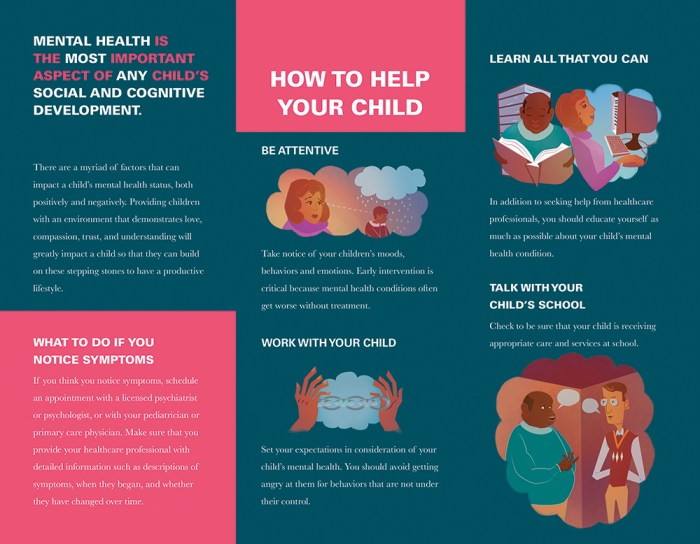
Mental health advocacy for children is crucial. Understanding the unique challenges children face, from developmental stages to environmental stressors, is paramount. This exploration delves into the complexities of childhood mental health, examining prevalent conditions, effective interventions, and the vital role of families, schools, and communities in fostering well-being. We’ll explore resources, coping strategies, and advocacy methods to promote a healthier future for young minds.
This comprehensive guide addresses the multifaceted nature of children’s mental health, offering practical insights for parents, educators, and advocates alike. From recognizing warning signs and accessing appropriate support to building resilience and promoting healthy habits, we aim to empower readers with the knowledge and tools necessary to make a positive impact on the lives of children.
Depression Support Resources for Children and Families: Mental Health Advocacy For Children

Childhood depression is a serious issue, but thankfully, many resources exist to help children and families navigate this challenging time. Early intervention and appropriate support are crucial for positive outcomes. This section will explore various resources, therapeutic approaches, and warning signs to help families understand and address childhood depression effectively.
Key Resources for Children and Families Struggling with Depression
Children and families facing depression have access to a range of support systems. These include professional therapists specializing in child and adolescent mental health, support groups connecting families facing similar challenges, and online platforms offering information, resources, and peer support. The specific resources available may vary depending on location and insurance coverage.
Support Groups, Mental health advocacy for children
Support groups offer a safe and understanding environment where children and families can share their experiences, learn coping strategies, and feel less isolated. These groups are often facilitated by mental health professionals and provide a valuable sense of community. The anonymity offered in some groups can encourage open sharing and reduce the stigma often associated with mental health issues.
For example, some hospitals or community centers may offer support groups specifically designed for families dealing with childhood depression. These groups can provide practical advice, emotional support, and a feeling of shared understanding, which can be immensely helpful during difficult times.
Therapy Options for Childhood Depression
Several therapeutic approaches effectively treat childhood depression. These include Cognitive Behavioral Therapy (CBT), which helps children identify and change negative thought patterns and behaviors; play therapy, which uses play as a medium for expression and processing emotions; and family therapy, which addresses the family dynamics that may contribute to or worsen the child’s depression. The choice of therapy depends on the child’s age, developmental stage, and specific needs.
A qualified therapist will assess the child and recommend the most appropriate approach.
Online Platforms and Resources
The internet offers a wealth of information and support for children and families dealing with depression. Many reputable organizations provide online resources, including articles, videos, and self-help tools. Some platforms offer online therapy sessions, providing convenient access to mental health professionals. However, it’s crucial to carefully evaluate the credibility of online resources and ensure they are from trusted sources.
Examples of reliable sources include the websites of major mental health organizations such as the American Psychological Association or the National Institute of Mental Health.
Comparing Therapeutic Approaches
While CBT, play therapy, and family therapy are distinct, they can be complementary. For instance, CBT might focus on changing a child’s negative thoughts, while play therapy helps the child express those thoughts and feelings nonverbally. Family therapy addresses family dynamics that could contribute to the child’s depression, supporting the work done in individual therapy. The most effective approach often involves a combination of therapies tailored to the individual child and family.
Accessing and Utilizing Resources Effectively
Accessing these resources requires proactive steps. Start by contacting your child’s pediatrician or family doctor. They can provide referrals to mental health professionals and help navigate insurance coverage. Research local mental health organizations and support groups. Utilize online resources for information and support, but remember to prioritize information from reputable sources.
Open communication within the family is crucial for effective support and treatment.
Warning Signs of Depression in Children
It’s essential to be aware of the warning signs of depression in children, which can manifest differently than in adults. Early recognition is key to seeking timely intervention.
- Persistent sadness or irritability
- Loss of interest in activities previously enjoyed
- Changes in appetite or sleep patterns
- Fatigue or low energy
- Difficulty concentrating or making decisions
- Feelings of worthlessness or guilt
- Thoughts of death or suicide
- Withdrawal from friends and family
- Changes in behavior or academic performance
- Physical complaints such as headaches or stomachaches
Mindfulness Practices for Children’s Mental Well-being
Mindfulness, the practice of paying attention to the present moment without judgment, offers significant benefits for children’s mental health. It cultivates emotional regulation, improves focus and attention, and reduces stress and anxiety. By teaching children mindfulness techniques, we equip them with valuable tools to navigate the challenges of childhood and build resilience.Mindfulness cultivates a child’s ability to manage their emotions effectively.
Instead of reacting impulsively to feelings, children learn to observe their emotions without judgment, allowing them to respond more thoughtfully. This improved emotional regulation contributes to reduced emotional outbursts and improved social interactions. Furthermore, mindfulness enhances focus and attention, vital skills for academic success and overall well-being. By training their minds to stay present, children can improve their concentration and reduce distractions, leading to better performance in school and other activities.
Age-Appropriate Mindfulness Exercises and Activities
Mindfulness exercises can be adapted to suit different age groups. Younger children might benefit from shorter, more playful activities, while older children can engage in more complex techniques. The key is to make the practice enjoyable and accessible.
- Belly Breathing (Ages 3+): Children lie on their backs with a stuffed animal on their bellies. They observe the rise and fall of the animal as they breathe deeply, focusing on the sensation of their breath. This simple exercise teaches them to connect with their bodies and regulate their breathing.
- Mindful Movement (Ages 4+): Incorporating movement into mindfulness can make it more engaging for children. Activities like mindful walking, where children pay attention to the sensations of their feet on the ground and the movement of their bodies, or slow, deliberate yoga poses, help them connect with their physical selves and enhance body awareness.
- Sensory Awareness (Ages 5+): Children can practice focusing on their senses, one at a time. They might close their eyes and listen to the sounds around them, noticing the different tones and pitches. Or they can touch different textures, noticing the differences in softness, roughness, and temperature.
- Mindful Listening (Ages 6+): This involves actively listening to a story or music, paying close attention to the details and nuances. It teaches children to focus their attention and appreciate the present moment.
- Guided Meditations (Ages 7+): Guided meditations, available through apps or online resources, can provide a structured framework for mindfulness practice. These meditations often use imagery and storytelling to engage children’s imaginations and help them focus on their breath and body sensations.
Incorporating Mindfulness into Daily Routines
Integrating mindfulness into a child’s daily routine can make it a natural part of their lives. This can be done subtly and seamlessly, without requiring extensive time commitments.
- Mindful Mealtimes: Encourage children to savor their food, paying attention to the tastes, textures, and smells. This can help them appreciate their meals and reduce mindless eating.
- Mindful Walks: Take a short walk together, focusing on the sights, sounds, and smells around you. Encourage children to notice the details of nature, such as the colors of leaves or the songs of birds.
- Before Bedtime Routine: Include a few minutes of quiet time before bed, perhaps with a short guided meditation or some deep breathing exercises. This can help children relax and prepare for sleep.
- During Transitions: Use transitions between activities as opportunities for mindfulness. For example, before starting a new activity, take a moment to breathe deeply and focus on the present.
Teaching Children Simple Mindfulness Techniques
Teaching children mindfulness requires patience, consistency, and a playful approach. It’s important to make it a positive and enjoyable experience.
- Start Small: Begin with short, simple exercises, such as belly breathing, and gradually increase the duration and complexity as the child becomes more comfortable.
- Make it Fun: Use games, stories, and imagery to make mindfulness engaging for children. Incorporate their favorite characters or themes.
- Be Patient: Children may not be able to sit still or focus for long periods, especially at first. Be patient and understanding, and celebrate their efforts.
- Lead by Example: Children learn by observing adults. Practice mindfulness yourself and share your experiences with your child.
- Create a Calm Environment: Find a quiet, comfortable space where your child can relax and focus without distractions.
A Short Mindfulness Script for Children
Let’s take a few deep breaths together. Inhale… feel your belly rise… exhale… feel your belly fall. Let’s do it again. Inhale… exhale… Now, close your eyes gently. Imagine you are sitting on a soft, green hill. The sun is warm on your face, and you can feel a gentle breeze. Listen to the sounds around you… the birds singing, the wind rustling through the leaves. Notice the feeling of your body resting on the hill. Feel the ground beneath you. This is a moment of peace and calm. You are safe and relaxed. Now, slowly open your eyes. You feel refreshed and ready for anything.
Advocacy for Children’s Mental Health
Early intervention and prevention are crucial for positive child development and long-term well-being. Addressing mental health concerns early can significantly improve outcomes, reducing the severity and duration of challenges later in life. Proactive strategies are more effective and cost-efficient than managing severe mental health issues that develop without early intervention.
The Importance of Early Intervention and Prevention
Early identification and treatment of mental health conditions in children are vital for preventing escalation and promoting positive development. Untreated childhood mental health issues can lead to academic difficulties, social isolation, substance abuse, and other problems in adulthood. Early intervention programs, such as school-based screenings and parent education initiatives, can identify at-risk children and provide them with the support they need to thrive.
These programs often employ evidence-based strategies, such as cognitive behavioral therapy (CBT) adapted for children, to build resilience and coping mechanisms. The earlier these interventions are implemented, the more likely they are to be successful. For example, a child experiencing anxiety might benefit from early intervention through play therapy or relaxation techniques, preventing the anxiety from becoming a debilitating condition later in life.
The Roles of Schools, Families, and Communities
Schools, families, and communities play interconnected roles in advocating for children’s mental health. Schools can provide mental health services, implement comprehensive mental health education programs, and train staff to recognize and respond to students’ mental health needs. Families are critical in providing a supportive and nurturing environment, seeking professional help when needed, and advocating for their children’s access to mental health resources.
Communities can support mental health initiatives through funding, resource provision, and public awareness campaigns. A strong collaborative effort among these three entities is essential for creating a supportive ecosystem that prioritizes children’s mental well-being. For instance, a school might partner with a local mental health organization to offer after-school support groups, while families participate in workshops on stress management techniques, all within a community that openly discusses mental health.
Effective Advocacy Strategies
Effective advocacy involves raising awareness, increasing access to resources, and influencing policy. Raising awareness can be achieved through public education campaigns, media outreach, and community events. Increasing access to resources requires advocating for increased funding for mental health services, expanding the availability of mental health professionals, and ensuring equitable access for all children. Influencing policy involves working with lawmakers to create and support legislation that prioritizes children’s mental health.
For example, advocacy groups might lobby for increased funding for school-based mental health programs or for legislation mandating mental health education in schools. Furthermore, utilizing social media platforms to share information and personal stories can significantly broaden reach and impact.
Examples of Successful Mental Health Advocacy Initiatives
Many successful initiatives demonstrate the positive impact of advocacy. The “Heads Up” campaign by the National Alliance on Mental Illness (NAMI) aims to educate the public about mental health issues and reduce stigma. The Trevor Project, focusing on LGBTQ youth, provides crisis intervention and suicide prevention services. These initiatives showcase the power of collaborative efforts and targeted interventions.
The success of these initiatives is measured through increased awareness, improved access to services, and positive changes in policies and practices. For example, a successful advocacy campaign might result in a new law requiring schools to provide mental health services to students, or an increase in funding for community-based mental health programs.
Organizations Dedicated to Children’s Mental Health Advocacy
Several organizations are dedicated to advocating for children’s mental health.
- The Child Mind Institute
- The National Alliance on Mental Illness (NAMI)
- The Jed Foundation
- MentalHealth.gov
- The American Academy of Child & Adolescent Psychiatry
These organizations provide resources, support, and advocacy for children and families affected by mental health challenges. They often collaborate with schools, communities, and policymakers to advance mental health initiatives. They also play a significant role in research, disseminating information about effective treatments and prevention strategies.
Therapy and Counseling Options for Children
Navigating the world of therapy for children can feel overwhelming, but understanding the available options and how to access them is crucial for supporting their mental well-being. Various therapeutic approaches cater to different needs and developmental stages, offering unique strategies to address a range of challenges.
Types of Therapy for Children
Several therapeutic approaches are particularly effective with children. Play therapy, for instance, utilizes play as the primary medium for communication and expression. Children often find it easier to process emotions and experiences through symbolic play, building blocks, or art. Cognitive Behavioral Therapy (CBT) helps children identify and change negative thought patterns and behaviors. It equips them with coping mechanisms and problem-solving skills to manage anxiety, depression, or other difficulties.
Other approaches, such as family therapy, involve the entire family in the therapeutic process, addressing relational dynamics and improving communication. Art therapy offers a non-verbal outlet for self-expression and emotional processing, while trauma-focused therapies specifically address the impact of traumatic experiences. The choice of therapy depends on the child’s age, specific needs, and the presenting issues.
Finding a Qualified Therapist for a Child
Locating a qualified and experienced therapist is a vital step. Begin by seeking referrals from pediatricians, school counselors, or trusted community organizations. Online directories, such as those maintained by professional organizations like the American Psychological Association (APA) or the National Association of Social Workers (NASW), can also be helpful resources. During the initial contact, inquire about the therapist’s experience working with children, their approach to therapy, and their specialization in addressing specific mental health concerns.
Consider scheduling a brief consultation to assess whether there is a good therapeutic fit between the child, the therapist, and the family. A comfortable and trusting relationship is fundamental to the success of therapy.
Effectiveness of Therapeutic Approaches
The effectiveness of various therapeutic approaches varies depending on the specific mental health condition. For example, CBT has demonstrated significant efficacy in treating anxiety disorders and depression in children and adolescents. Play therapy is often effective in addressing trauma or emotional regulation difficulties in younger children. Family therapy can be highly beneficial when family dynamics contribute to a child’s mental health challenges.
Research consistently highlights the importance of a strong therapeutic alliance, regardless of the specific therapeutic approach employed. The child’s engagement and willingness to participate are also key factors influencing the overall outcome of therapy.
What to Expect During a Child’s Therapy Session
Therapy sessions for children can vary significantly depending on the child’s age, the type of therapy, and the specific goals. Younger children may engage in play-based activities, while older children may participate in more structured talk therapy. Sessions might involve discussions about feelings, problem-solving exercises, or role-playing scenarios. The therapist will create a safe and supportive environment, fostering open communication and building trust.
Parents may be involved in some sessions, especially in family therapy, while others may be conducted individually with the child. Progress is typically monitored regularly, and adjustments to the therapeutic approach may be made as needed.
Resources for Finding Child and Adolescent Mental Health Therapists
Several resources can assist in locating therapists specializing in child and adolescent mental health. The APA and NASW websites offer online directories with searchable databases of licensed professionals. Your child’s pediatrician or school counselor can also provide referrals to local mental health providers. Community mental health centers and child advocacy organizations often have lists of therapists who work with children and families.
Insurance providers may also have a network of in-network therapists who specialize in pediatric mental health. It’s crucial to verify a therapist’s credentials and experience before making an appointment.
Ultimately, advocating for children’s mental health requires a collective effort. By understanding the complexities of childhood mental health, utilizing available resources, and promoting preventative measures, we can create supportive environments that nurture well-being and resilience. Early intervention, coupled with ongoing support, empowers children to thrive, fostering a brighter and healthier future for generations to come. Let us continue to champion the cause of mental wellness in children, ensuring that every child has the opportunity to flourish.
Frequently Asked Questions
What are the long-term effects of untreated anxiety in children?
Untreated anxiety can lead to difficulties in social relationships, academic performance, and overall well-being. It may increase the risk of developing other mental health conditions in adulthood, including depression and anxiety disorders.
How can I help my child cope with stress related to school?
Open communication, establishing a consistent routine, encouraging healthy coping mechanisms (like exercise or mindfulness), and seeking professional help if needed are all effective strategies.
What are some signs of depression in teenagers that differ from younger children?
Teenagers may exhibit social withdrawal, changes in academic performance, substance use, irritability, and self-harm behaviors, in addition to symptoms similar to those in younger children (e.g., sadness, loss of interest).
Are there specific mindfulness techniques suitable for toddlers?
Yes, simple activities like focusing on breathing, listening to calming music, or engaging in sensory play can introduce mindfulness concepts to toddlers.


