How to Advocate for Mental Health
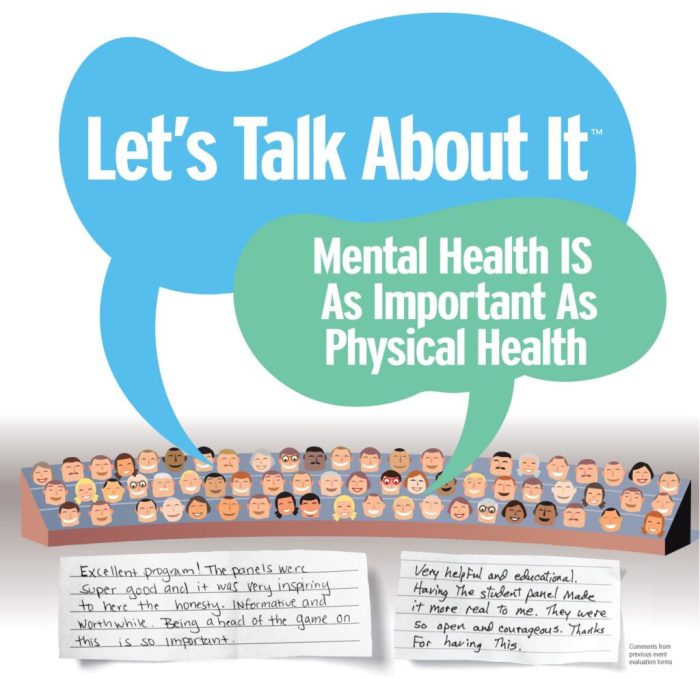
How to advocate for mental health is a crucial skill in today’s world, where mental health challenges affect a significant portion of the population. This guide explores various levels of advocacy – from individual actions to large-scale systemic change – providing practical strategies and resources to empower you to make a difference. We will delve into understanding mental health issues, effective coping mechanisms, and the importance of seeking professional help, ultimately equipping you with the knowledge and tools to champion mental well-being within your community and beyond.
Through this exploration, we aim to illuminate the path towards creating a more supportive and understanding environment for individuals facing mental health struggles. We’ll examine successful advocacy campaigns, discuss the role of social media in raising awareness, and offer a comprehensive overview of resources available to those seeking support or wishing to contribute to positive change. The journey towards better mental health requires collective action, and this guide is designed to be your starting point in that journey.
Understanding Mental Health Advocacy
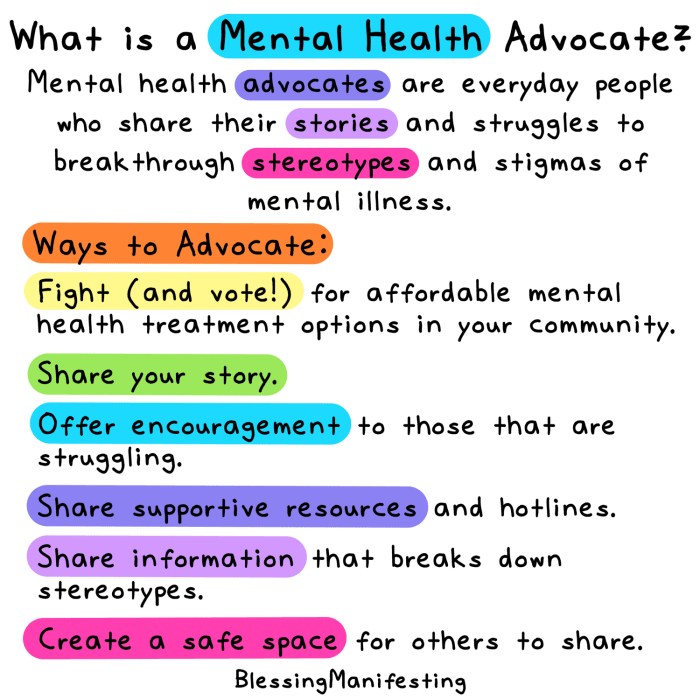
Mental health advocacy plays a crucial role in shaping societal attitudes and policies surrounding mental well-being. It’s about amplifying the voices of those affected by mental illness, challenging stigma, and promoting access to quality care and support. In an increasingly interconnected world, effective advocacy is vital for creating a more inclusive and supportive environment for everyone.The Importance of Mental Health Advocacy in Modern SocietyAdvocacy ensures that mental health concerns are prioritized in policy-making and resource allocation.
It drives research into effective treatments and preventative measures, leading to improved outcomes for individuals and communities. By challenging stigma and misconceptions, advocacy creates safer spaces for open conversations about mental health, encouraging help-seeking behaviors and reducing isolation. This, in turn, contributes to a healthier and more productive society.
Levels of Mental Health Advocacy
Mental health advocacy operates at multiple levels, each contributing to broader change. Individual advocacy focuses on personal experiences and needs, while community advocacy works within specific geographical areas to address local issues. Systemic advocacy aims to influence policy and legislation at regional, national, or even international levels. These levels are interconnected and often reinforce one another.
Examples of Successful Mental Health Advocacy Campaigns
Several successful campaigns illustrate the power of advocacy. The “You Are Not Alone” campaign, which utilized social media to share personal stories and reduce stigma, is one example. Another is the advocacy work leading to the expansion of mental health parity laws, which mandate equal coverage for mental and physical health care under insurance plans. These campaigns demonstrate the impact of coordinated efforts in raising awareness, changing policies, and improving access to care.
A Step-by-Step Guide to Starting Mental Health Advocacy
- Identify your passion and area of focus: Determine which aspect of mental health advocacy resonates most with you. This could be reducing stigma, improving access to care, or supporting specific mental health conditions.
- Educate yourself: Learn about mental health issues, current policies, and successful advocacy strategies. Reliable resources include government websites, mental health organizations, and academic research.
- Connect with others: Join or create a support network of like-minded individuals. Collaborating with others can amplify your impact and provide valuable insights.
- Develop your advocacy plan: Artikel your goals, target audience, and strategies. This might involve writing letters to elected officials, organizing community events, or creating online campaigns.
- Take action: Implement your plan, starting with small, achievable steps. Monitor your progress and adjust your approach as needed.
- Celebrate your successes: Acknowledge your achievements and learn from any challenges encountered. This helps maintain momentum and build confidence.
Designing a Social Media Campaign for Mental Health Awareness
A successful social media campaign requires a clear message, engaging content, and a strategic approach. The campaign should focus on building community, sharing personal stories (with consent), and promoting resources. Using relevant hashtags, creating visually appealing graphics, and engaging in interactive discussions can increase reach and impact. Consider partnering with influencers or organizations to broaden your audience and increase credibility.
For example, a campaign might feature short videos of individuals sharing their experiences, infographics explaining common mental health conditions, and links to helpful resources. Regular posting and consistent engagement are crucial for maintaining momentum.
Stress and Anxiety Management Techniques
Stress and anxiety are common experiences in modern life, often stemming from work pressures, relationship challenges, or financial concerns. However, learning effective coping mechanisms is crucial for maintaining mental well-being. This section explores various techniques to help manage and reduce stress and anxiety levels.
Coping Mechanisms for Stress and Anxiety
Effective stress and anxiety management involves a multifaceted approach. It’s not about eliminating stress entirely—that’s unrealistic—but rather about developing skills to navigate challenging situations more effectively. This includes proactive strategies to prevent stress buildup and reactive strategies to manage it when it occurs. Proactive strategies might involve setting realistic goals, prioritizing tasks, and maintaining healthy boundaries. Reactive strategies focus on managing the symptoms of stress and anxiety in the moment.
Mindfulness and Meditation for Stress Reduction
Mindfulness and meditation practices cultivate present moment awareness, reducing rumination on past events or anxieties about the future. By focusing on the breath or bodily sensations, individuals can detach from stressful thoughts and emotions. Studies have shown that regular meditation can lower cortisol levels (the stress hormone) and improve emotional regulation. For example, a study published in JAMA Internal Medicine found that mindfulness-based stress reduction (MBSR) significantly reduced stress and anxiety in participants compared to a control group.
The practice involves focusing on the present moment without judgment, accepting thoughts and feelings as they arise, and gently redirecting attention back to the breath or a chosen focal point. This cultivates a sense of calm and inner peace, making it easier to manage stressful situations.
Relaxation Techniques: Deep Breathing and Progressive Muscle Relaxation
Deep breathing exercises activate the parasympathetic nervous system, which counteracts the “fight-or-flight” response triggered by stress. Slow, deep breaths can calm the nervous system, reducing heart rate and blood pressure. Progressive muscle relaxation involves systematically tensing and releasing different muscle groups, promoting physical relaxation which often translates to mental relaxation as well. This technique helps to identify and release physical tension often associated with stress and anxiety.
For instance, starting with the toes, you might tense the muscles for a few seconds, then release them, noticing the difference in sensation. This process is repeated for each muscle group, moving up the body.
Resources for Stress and Anxiety Management
Numerous resources are available to support stress and anxiety management. Utilizing these tools can significantly enhance your coping abilities and overall well-being.
- Apps: Calm, Headspace, Insight Timer offer guided meditations, mindfulness exercises, and relaxation techniques.
- Websites: The Anxiety & Depression Association of America (ADAA) and the National Institute of Mental Health (NIMH) provide reliable information, resources, and support networks.
- Books: “Wherever You Go, There You Are” by Jon Kabat-Zinn, “Mindfulness for Beginners” by Jon Kabat-Zinn, and “The Relaxation & Stress Reduction Workbook” by Martha Davis, Elizabeth Robbins Eshelman, and Matthew McKay offer practical guidance and exercises.
Creating a Personalized Stress Management Plan, How to advocate for mental health
Developing a personalized stress management plan is crucial for long-term success. This plan should incorporate a combination of proactive and reactive strategies tailored to your individual needs and preferences. Consider including regular mindfulness practices, relaxation techniques, healthy lifestyle choices (exercise, balanced diet, sufficient sleep), and stress-reducing activities you enjoy. It’s also important to identify your personal stressors and develop coping mechanisms specifically for those situations.
Regularly review and adjust your plan as needed, recognizing that what works well at one point in time might need modification later on. For example, someone struggling with work deadlines might incorporate time management techniques and regular breaks into their plan, while someone experiencing social anxiety might prioritize social skills training and gradual exposure therapy. The key is to create a flexible and adaptable plan that empowers you to manage stress effectively and maintain your mental well-being.
Depression Support and Resources
Depression is a serious but treatable mental health condition affecting millions worldwide. Understanding its signs, accessing available resources, and exploring effective treatments are crucial steps towards recovery. This section provides information on recognizing depression, finding help, and understanding treatment options.
Common Signs and Symptoms of Depression
Persistent sadness or low mood is a hallmark of depression, but it manifests differently in individuals. Other common signs include loss of interest or pleasure in activities once enjoyed (anhedonia), significant changes in appetite or weight, sleep disturbances (insomnia or hypersomnia), fatigue or loss of energy, feelings of worthlessness or excessive guilt, difficulty concentrating or making decisions, and recurrent thoughts of death or suicide.
It’s important to remember that experiencing some of these symptoms occasionally doesn’t necessarily indicate depression. However, a persistent pattern of several of these symptoms for at least two weeks warrants seeking professional help.
Available Depression Support Resources
Numerous resources exist to support individuals struggling with depression. These include:
Hotlines: The National Suicide Prevention Lifeline (988 in the US) offers immediate support for those in crisis. Other helplines provide specialized support for depression and related concerns. Many countries have their own equivalent helplines. These services offer immediate confidential support and guidance.
Support Groups: Connecting with others facing similar challenges can be incredibly beneficial. Support groups, both online and in-person, offer a safe space to share experiences, learn coping strategies, and build a sense of community. Many mental health organizations and hospitals facilitate these groups.
Therapy: Therapy, particularly from a licensed mental health professional, is a cornerstone of depression treatment. Different therapeutic approaches can be highly effective.
Types of Therapy Effective for Treating Depression
Several types of therapy have proven effective in treating depression.
Cognitive Behavioral Therapy (CBT): CBT helps individuals identify and change negative thought patterns and behaviors contributing to depression. It focuses on practical strategies to manage symptoms and improve overall well-being. Through CBT, individuals learn to challenge negative thoughts and develop more adaptive coping mechanisms.
Medication: Antidepressant medications can be effective in managing depressive symptoms for many individuals. These medications work by altering the balance of neurotransmitters in the brain. It’s crucial to work closely with a psychiatrist or other prescribing physician to find the right medication and dosage.
Stories of Successful Recovery from Depression
While individual experiences vary, many individuals have successfully overcome depression with the right support and treatment.
Example 1 (Anonymized): “After years of struggling silently, I finally sought professional help. CBT helped me understand my negative thought patterns, and medication provided stability. It wasn’t easy, but with consistent effort and support, I’ve rebuilt my life and found joy again.”
Example 2 (Anonymized): “Joining a support group was a turning point for me. Sharing my struggles with others who understood made me feel less alone. The sense of community and shared experience was incredibly valuable in my recovery journey.”
Comparison of Depression Treatments
| Treatment | Effectiveness | Side Effects | Accessibility |
|---|---|---|---|
| Cognitive Behavioral Therapy (CBT) | Highly effective for many, particularly mild to moderate depression. | Generally minimal, mostly related to the effort required for self-reflection and behavioral change. | Relatively accessible, but availability of qualified therapists can vary. |
| Medication (Antidepressants) | Can be highly effective, particularly for moderate to severe depression. | Can vary significantly depending on the medication; some common side effects include nausea, weight changes, and sleep disturbances. | Generally accessible with a prescription from a physician. |
| Support Groups | Provides valuable social support and a sense of community. Effectiveness varies depending on individual needs and group dynamics. | Minimal side effects; however, some individuals might find group settings overwhelming. | Highly accessible; many online and in-person groups exist. |
Promoting Workplace Mental Health: How To Advocate For Mental Health
A healthy workforce is a productive workforce. Ignoring mental health in the workplace not only impacts individual employees but also negatively affects productivity, morale, and the overall success of the organization. Prioritizing mental well-being is crucial for fostering a thriving and sustainable work environment.
The Importance of Mental Health in the Workplace
Mental health significantly impacts employee performance, engagement, and overall well-being. Employees struggling with mental health issues may experience reduced productivity, increased absenteeism, and presenteeism (being physically present but mentally disengaged). This can lead to higher healthcare costs for both the employee and the employer, as well as decreased profitability and a negative impact on company culture. A supportive environment, however, can lead to increased employee retention, improved job satisfaction, and a more positive and productive work environment.
Strategies for Creating a Supportive and Inclusive Work Environment
Creating a supportive workplace requires a multifaceted approach. This includes implementing clear policies regarding mental health, providing access to resources and support, and fostering a culture of open communication and understanding. Training managers and supervisors on recognizing signs of mental health challenges and how to appropriately support employees is essential. Regular check-ins with employees, promoting work-life balance, and offering flexible work arrangements can also significantly contribute to a more supportive atmosphere.
Furthermore, encouraging open discussions about mental health, normalizing seeking help, and reducing stigma are crucial steps in building an inclusive environment.
Examples of Workplace Mental Health Programs
Effective workplace mental health programs can take many forms. Examples include Employee Assistance Programs (EAPs) offering confidential counseling and support services, stress management workshops and mindfulness training, mental health awareness campaigns to educate employees and reduce stigma, and flexible work arrangements to accommodate individual needs. Some companies offer on-site mental health professionals or telehealth options for convenient access to care.
Others implement robust mental health policies that clearly Artikel support mechanisms and ensure a fair and inclusive approach to mental health concerns. A comprehensive program might incorporate elements from several of these approaches.
The Role of Employers and Employees in Promoting Mental Well-being at Work
Employers have a responsibility to create a safe and supportive work environment that prioritizes the mental health of their employees. This involves providing resources, training, and policies that support mental well-being. Employees also play a crucial role by actively participating in available programs, seeking help when needed, and fostering a culture of open communication and support among colleagues. Open dialogue between employers and employees is vital to ensure that mental health initiatives are effective and meet the needs of the workforce.
A collaborative approach ensures that programs are relevant, accessible, and ultimately successful in improving workplace mental health.
Policy Proposal for Improving Workplace Mental Health
This policy proposes the implementation of a comprehensive workplace mental health program designed to promote employee well-being and create a supportive work environment. The program will include: (1) Establishment of an Employee Assistance Program (EAP) providing confidential counseling and support services; (2) Mandatory training for all managers and supervisors on recognizing and addressing mental health concerns; (3) Annual mental health awareness campaigns to educate employees and reduce stigma; (4) Implementation of flexible work arrangements where feasible; and (5) Regular assessment of the program’s effectiveness and adjustments based on employee feedback.
This policy aims to create a culture of care and support, ensuring that employees feel valued, respected, and supported in their mental health journey. The policy will be regularly reviewed and updated to reflect best practices and employee needs.
Advocating for mental health is not merely about raising awareness; it’s about building a society that prioritizes mental well-being. By understanding the complexities of mental health challenges, employing effective coping mechanisms, and actively participating in advocacy efforts, we can collectively foster a more compassionate and supportive environment. This guide provides a framework for action, empowering individuals to take ownership of their mental health and contribute to broader systemic change.
Remember, even small acts of advocacy can have a significant impact, fostering a ripple effect of positive change that ultimately benefits everyone.
Commonly Asked Questions
What if I don’t know where to start advocating?
Begin by educating yourself on mental health issues and identifying areas that resonate with you. Small actions like sharing resources online or speaking openly about your experiences can make a difference.
How can I advocate for mental health in the workplace?
Advocate for mental health resources within your workplace, such as employee assistance programs or mental health days. Promote open conversations about mental health and challenge stigma.
What are some effective ways to combat stigma surrounding mental illness?
Share personal stories (if comfortable), educate others about mental health conditions, and challenge negative stereotypes and misconceptions whenever you encounter them.
How can I support someone struggling with their mental health?
Listen empathetically, offer support without judgment, encourage them to seek professional help, and connect them with relevant resources.


