Mindfulness for Pain Management
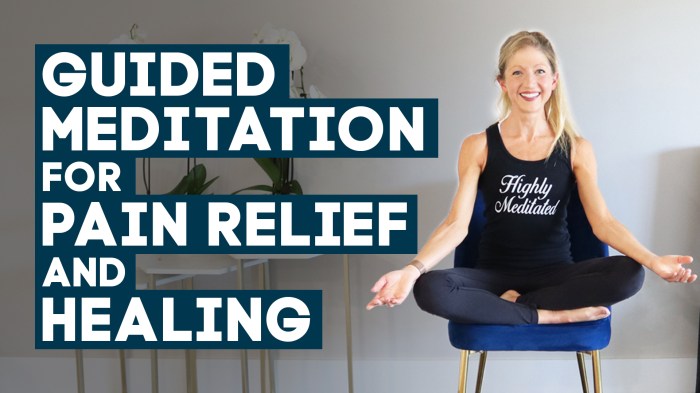
Mindfulness for pain management offers a powerful approach to alleviate suffering. By focusing on the present moment and cultivating awareness of bodily sensations, individuals can learn to manage pain more effectively, reducing its intensity and impact on daily life. This exploration delves into various mindfulness techniques, their applications for different pain types, and how they integrate into a holistic approach to well-being.
This guide examines the intricate relationship between mind and body in pain perception, demonstrating how mindful practices can alter the pain experience. We’ll explore practical exercises, including body scans and mindful breathing, and discuss how to incorporate these techniques into daily routines to build resilience and manage stress and anxiety often associated with chronic pain. We also consider the role of mindfulness in addressing depression, improving sleep, and fostering personal growth.
Mindfulness Practices for Enhanced Mental Well-being
Mindfulness, the practice of paying attention to the present moment without judgment, offers a powerful pathway to improved mental health. By cultivating awareness of thoughts, feelings, and sensations, individuals can develop greater emotional regulation, reduce stress, and enhance overall well-being. This section explores various mindfulness practices and their impact on mental health, alongside considerations for safe and effective implementation.Mindfulness practices offer a range of benefits for mental well-being, impacting several key areas.
Consistent practice can lead to improvements in focus and concentration, allowing individuals to better manage distractions and enhance productivity. Furthermore, mindfulness cultivates emotional regulation skills, enabling individuals to respond to challenging emotions with greater awareness and less reactivity. This increased self-awareness extends to a deeper understanding of one’s thoughts, feelings, and behaviors, facilitating more conscious and intentional choices.
Benefits of Mindfulness Practices on Mental Health, Mindfulness for pain management
Mindfulness techniques, such as meditation, deep breathing exercises, and mindful movement, demonstrably improve various aspects of mental health. Studies have shown a correlation between regular mindfulness practice and reduced symptoms of anxiety and depression. Improved focus and concentration are also frequently reported, leading to increased productivity and reduced mental fatigue. The practice fosters emotional regulation, helping individuals manage stress more effectively and respond to challenging situations with greater composure.
Moreover, enhanced self-awareness facilitates a deeper understanding of one’s internal experiences, paving the way for more self-compassion and acceptance. For example, a study published in JAMA Internal Medicine found that mindfulness-based stress reduction (MBSR) significantly reduced symptoms of depression and anxiety in participants compared to a control group.
Mindfulness Apps and Online Resources
Access to mindfulness practices has significantly increased due to the availability of numerous apps and online resources. These tools offer guided meditations, mindfulness exercises, and educational materials, making it easier for individuals to incorporate mindfulness into their daily lives.
- Headspace: Offers a range of guided meditations for various purposes, from stress reduction to sleep improvement. The app uses a friendly, approachable interface and offers a variety of programs for different experience levels.
- Calm: Provides a comprehensive library of guided meditations, sleep stories, and music designed to promote relaxation and well-being. Known for its calming soundscapes and user-friendly design.
- Insight Timer: A large community-based platform offering a vast library of free and paid meditations, talks, and courses on mindfulness and related topics. Features a diverse range of teachers and styles.
- Ten Percent Happier: Focuses on making mindfulness accessible to a broader audience, offering meditations and courses led by experts in the field. Emphasizes practical application of mindfulness in everyday life.
Beyond these apps, numerous websites and online platforms provide free resources such as guided meditations, articles, and videos on mindfulness techniques. These resources can be a valuable starting point for individuals interested in exploring mindfulness practices.
Potential Risks and Limitations of Mindfulness Practices
While mindfulness offers significant benefits, it’s crucial to acknowledge potential risks and limitations. For some individuals, focusing on internal experiences can be challenging, potentially leading to increased awareness of distressing thoughts or emotions. In such cases, it may be helpful to practice mindfulness with the guidance of a therapist or experienced instructor. Additionally, mindfulness is not a replacement for professional mental health treatment.
Individuals struggling with severe mental health conditions should seek appropriate professional help alongside, or instead of, mindfulness practices. Furthermore, some individuals may experience initial discomfort or frustration while learning mindfulness techniques, which should be addressed with patience and self-compassion. It is vital to approach mindfulness with a realistic perspective and understand that it’s a process requiring time and consistent effort.
Overcoming Addictions with Mindfulness: Mindfulness For Pain Management
Mindfulness, the practice of paying attention to the present moment without judgment, offers a powerful tool for individuals struggling with addiction. By cultivating awareness of thoughts, feelings, and bodily sensations, individuals can interrupt the cycle of craving and compulsive behavior that characterizes addiction. This approach helps to build self-compassion and emotional regulation skills, crucial components in long-term recovery.Mindfulness helps to create a space between the urge to use and the action of using.
This pause allows for conscious choice rather than automatic reaction, a critical element in breaking the addictive cycle. Furthermore, mindfulness fosters self-awareness, enabling individuals to identify triggers and develop coping strategies tailored to their specific needs.
Mindfulness-Based Interventions for Substance Use Disorders
Mindfulness-based interventions are increasingly integrated into addiction treatment programs. These interventions typically involve formal mindfulness practices such as meditation, combined with psychoeducation about the nature of addiction and relapse prevention strategies. The goal is to equip individuals with practical tools to manage cravings, stress, and emotional distress without resorting to substance use.
Examples of Mindfulness Practices in Addiction Recovery
Several specific mindfulness practices prove particularly beneficial in addiction recovery. Mindful breathing exercises, for instance, can help to calm the nervous system and reduce anxiety, which are often triggers for substance use. Body scan meditation encourages awareness of physical sensations, allowing individuals to identify and manage cravings without judgment. Mindful movement practices, such as yoga or tai chi, can also provide a healthy outlet for stress and emotional regulation.
These practices help to develop a deeper understanding of one’s internal experience, allowing for more skillful responses to challenging situations.
The Role of Mindfulness in Relapse Prevention
Relapse is a common part of the addiction recovery process. Mindfulness plays a crucial role in relapse prevention by fostering self-awareness and promoting healthy coping mechanisms. By regularly practicing mindfulness, individuals develop the ability to recognize early warning signs of relapse, such as increased stress, negative emotions, or cravings. This heightened awareness allows for timely intervention, preventing the progression to substance use.
Furthermore, mindfulness techniques can help manage urges and cravings, reducing the likelihood of relapse by promoting self-compassion and reducing impulsive behavior. For example, if someone experiences a craving, instead of immediately acting on it, mindfulness encourages them to observe the craving without judgment, acknowledging it as a temporary sensation that will eventually pass.
Personal Growth and Self-Care through Mindfulness
Mindfulness, the practice of paying attention to the present moment without judgment, offers a powerful pathway to personal growth and enhanced self-care. By cultivating awareness of our thoughts, feelings, and bodily sensations, we can develop a deeper understanding of ourselves and cultivate healthier coping mechanisms. This understanding allows for more effective self-regulation and a greater capacity for self-compassion.Mindfulness practices provide a fertile ground for nurturing self-acceptance and fostering personal growth.
Through consistent practice, we learn to observe our thoughts and emotions without getting swept away by them, creating space for self-reflection and understanding. This process helps us to challenge negative self-talk and cultivate a more balanced and compassionate inner dialogue.
Integrating Mindfulness into a Self-Care Routine
Integrating mindfulness into daily life requires intentionality and a willingness to experiment. Small, consistent practices are more effective than sporadic, intense sessions. Consider incorporating these strategies:
- Mindful Breathing Exercises: Start each day with a few minutes of focused breathing. Simply observe the natural rhythm of your breath, noticing the sensation of the air entering and leaving your body. This simple act can calm the nervous system and set a peaceful tone for the day.
- Mindful Movement: Engage in physical activities like yoga, tai chi, or even a mindful walk, paying close attention to the sensations in your body. Notice the feeling of your feet on the ground, the movement of your limbs, and the rhythm of your breath.
- Mindful Eating: Instead of rushing through meals, take your time to savor each bite. Pay attention to the taste, texture, and smell of your food. This practice fosters appreciation and helps to regulate eating habits.
- Mindful Sensory Awareness: Throughout the day, take short breaks to notice your surroundings. Pay attention to the sounds, sights, smells, and textures around you. This can help ground you in the present moment and reduce stress.
Mindfulness and Self-Acceptance
Mindfulness cultivates self-acceptance by helping us to observe our thoughts and feelings without judgment. Instead of trying to suppress or change negative emotions, we learn to acknowledge them as temporary experiences. This non-judgmental awareness allows us to develop a more compassionate relationship with ourselves, recognizing that everyone experiences difficult emotions and imperfections. For example, instead of criticizing yourself for feeling anxious, you can acknowledge the anxiety and offer yourself kindness and understanding.
This shift in perspective can significantly reduce self-criticism and foster self-acceptance.
Mindfulness and Enhanced Self-Awareness
Mindfulness enhances self-awareness by increasing our ability to observe our internal experiences without getting carried away by them. Through regular practice, we become more attuned to our thoughts, feelings, and bodily sensations, allowing us to identify patterns and triggers that contribute to stress, anxiety, or other negative emotions. This heightened awareness empowers us to make conscious choices that align with our values and support our well-being.
For instance, by noticing that caffeine increases your anxiety, you can make a conscious decision to reduce your caffeine intake. This increased self-awareness facilitates personal growth by enabling more informed and intentional decision-making.
Ultimately, mindfulness for pain management empowers individuals to take an active role in their healing journey. By cultivating present moment awareness, individuals can develop coping mechanisms, reduce stress and anxiety, and improve overall well-being. While mindfulness is not a cure-all, its integration into a comprehensive pain management plan can significantly enhance quality of life and promote lasting relief.
The techniques discussed here provide a starting point for exploration, encouraging a path towards self-discovery and lasting well-being.
FAQ Summary
Can mindfulness cure chronic pain?
No, mindfulness is not a cure for chronic pain, but it can be a valuable tool for managing pain intensity and improving overall well-being by reducing stress and improving coping mechanisms.
How long does it take to see results from mindfulness practices for pain?
The timeframe varies greatly depending on the individual and their consistency with practice. Some individuals experience noticeable benefits within weeks, while others may need more time.
Is mindfulness suitable for all types of pain?
While mindfulness can be beneficial for various pain types, its effectiveness might vary. It’s crucial to consult with a healthcare professional to determine its suitability in your specific case.
What if I find it difficult to focus during mindfulness exercises?
It’s perfectly normal to find your mind wandering during practice. Gently redirect your attention back to your breath or chosen focus point without judgment. Consistency is key.


