Hotlines for Depression Support Finding Help
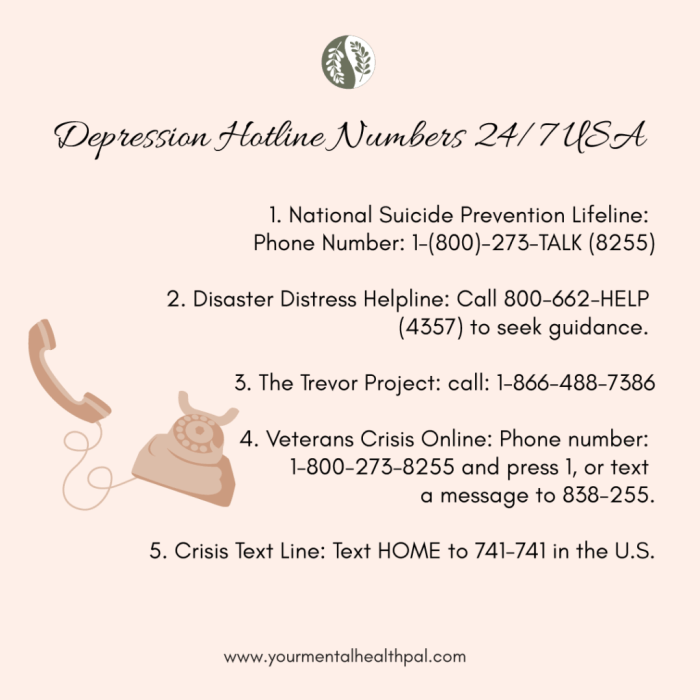
Hotlines for depression support offer a vital lifeline for individuals struggling with this pervasive mental health challenge. These services provide immediate access to trained professionals who can offer crucial support, guidance, and resources. Understanding the role of these hotlines, the types of support offered, and their limitations is key to effectively utilizing them and accessing additional help when needed.
This exploration delves into the various avenues available for finding and utilizing depression support hotlines, along with exploring complementary resources and strategies for managing depression effectively.
From national and international helplines to online chat services and crisis text lines, a range of options caters to diverse needs and preferences. This guide examines the benefits and limitations of hotline support, comparing it to traditional therapy and outlining the process of accessing these services. Furthermore, it explores crucial related topics such as stress and anxiety management, mindfulness techniques, and the importance of building resilience and seeking broader support networks.
Therapy and Counseling Options for Depression
Depression is a complex condition, and finding the right treatment is crucial for recovery. Therapy, often used in conjunction with medication, plays a vital role in addressing the underlying causes and developing coping mechanisms. Several therapeutic approaches have proven effective, each with its own strengths and weaknesses.
Different Therapeutic Approaches for Depression
Cognitive Behavioral Therapy (CBT) and Dialectical Behavior Therapy (DBT) are two prominent examples of effective therapies for depression. CBT focuses on identifying and modifying negative thought patterns and behaviors that contribute to depression. It emphasizes practical techniques to challenge unhelpful thinking and develop more adaptive coping strategies. For example, a person struggling with negative self-talk might learn to identify and reframe these thoughts, replacing them with more realistic and positive affirmations.
DBT, on the other hand, is particularly useful for individuals with intense emotions and difficulties regulating them. It integrates mindfulness techniques, distress tolerance skills, and interpersonal effectiveness strategies to help manage emotional dysregulation and improve relationships. A person prone to emotional outbursts, for instance, might learn techniques to calm themselves down and communicate their needs more effectively. While both therapies aim to improve mental well-being, CBT is more focused on cognitive restructuring and behavioral change, whereas DBT prioritizes emotional regulation and distress tolerance.
Finding and Selecting a Therapist or Counselor
The process of finding a suitable therapist involves several steps. Begin by identifying your needs and preferences. Consider factors such as the therapist’s specialization (e.g., CBT, DBT, psychodynamic therapy), their experience with depression, and their approach to therapy. Online directories, referrals from primary care physicians or mental health professionals, and recommendations from friends or family can be valuable resources.
Many therapists offer initial consultations, allowing you to discuss your needs and determine if there’s a good fit. During this consultation, consider your comfort level with the therapist’s style, their approach to treatment, and their overall demeanor. It’s essential to find a therapist with whom you feel comfortable and safe sharing your thoughts and feelings. Insurance coverage and the therapist’s fees should also be considered.
The Role of Medication in Depression Treatment
Medication can be a valuable component of a comprehensive treatment plan for depression. Antidepressants, such as selective serotonin reuptake inhibitors (SSRIs) and serotonin-norepinephrine reuptake inhibitors (SNRIs), work by altering the balance of neurotransmitters in the brain. These medications can help alleviate symptoms like sadness, fatigue, and loss of interest. It’s important to note that medication is typically most effective when combined with therapy.
A psychiatrist or other qualified medical professional will assess your individual needs and prescribe the appropriate medication. The selection process considers factors such as your medical history, other medications you may be taking, and your response to previous treatments. The effects of medication may not be immediate, and it often takes several weeks to experience a noticeable improvement.
Regular monitoring and adjustments to the medication dosage are common during treatment. It’s crucial to maintain open communication with your prescribing physician to address any side effects or concerns.
Workplace Mental Health and Support
A supportive and healthy work environment is crucial for employee well-being and overall productivity. Addressing mental health in the workplace is no longer a matter of optional consideration, but a critical component of responsible business practice. Promoting mental well-being requires a multifaceted approach involving proactive strategies, readily available resources, and a commitment from employers to foster an inclusive and understanding atmosphere.Creating a mentally healthy workplace involves a combination of preventative measures and readily accessible support systems for employees facing mental health challenges.
This includes initiatives to reduce workplace stress, encourage open communication, and provide access to professional help.
Strategies for Promoting Mental Well-being in the Workplace
Implementing effective strategies to support employee mental health requires a comprehensive plan. This involves fostering a culture of openness, providing practical resources, and promoting healthy behaviors.
- Stress Management Programs: Offering workshops or online resources on stress management techniques like mindfulness, meditation, or yoga can equip employees with coping mechanisms. These programs could include guided relaxation exercises, breathing techniques, and strategies for time management and prioritization.
- Flexible Work Arrangements: Implementing flexible work options, such as remote work or flexible hours, can significantly reduce stress and improve work-life balance, accommodating individual needs and circumstances.
- Mental Health Awareness Training: Providing training for managers and employees on recognizing signs of mental health challenges and promoting understanding and empathy can create a more supportive environment. This could involve workshops or online modules covering topics such as mental health conditions, stigma reduction, and effective communication.
- Employee Assistance Programs (EAPs): Offering confidential counseling services through an EAP provides employees with access to professional support for various personal and work-related issues, including mental health concerns. These programs typically offer a range of services, such as short-term counseling, crisis intervention, and referrals to specialists.
- Wellness Initiatives: Promoting healthy lifestyles through initiatives like on-site fitness facilities, health screenings, and wellness challenges encourages physical and mental well-being. These initiatives could include subsidized gym memberships, healthy food options in the cafeteria, and opportunities for physical activity during the workday.
Resources Available to Employees
Numerous resources are available to support employees struggling with mental health challenges, ranging from internal company programs to external organizations. Access to these resources is crucial for effective support.
- Employee Assistance Programs (EAPs): As mentioned previously, EAPs provide confidential counseling and support services. They often offer a range of services, including individual and group therapy, and referrals to specialists.
- Mental Health Professionals: Employees should be encouraged to seek help from qualified mental health professionals, such as therapists, counselors, or psychiatrists. The company may offer resources to help employees find appropriate providers or even provide subsidies for mental health services.
- Online Resources: Many reputable online resources offer information, support, and self-help tools for managing mental health. These resources can provide valuable information and support, but should not replace professional help when needed.
- Peer Support Groups: Internal peer support groups can provide a safe and supportive environment for employees to connect with others facing similar challenges. These groups offer a sense of community and shared experience, which can be incredibly helpful in managing mental health.
The Employer’s Role in Creating a Supportive Work Environment
Employers play a vital role in creating a workplace culture that prioritizes and supports employee mental well-being. This involves proactive measures and a commitment to fostering an inclusive and understanding atmosphere.Employers should actively promote a culture of open communication, where employees feel comfortable discussing mental health concerns without fear of judgment or discrimination. This requires leadership buy-in, training for managers, and clear communication of company policies regarding mental health.
Regular communication about mental health resources available to employees is also crucial. Furthermore, employers should actively work to reduce workplace stressors and promote a healthy work-life balance through flexible work arrangements and reasonable workloads. Creating a psychologically safe environment, where employees feel comfortable speaking up about their needs and concerns, is paramount to fostering a healthy workplace culture.
This includes actively addressing and preventing bullying, harassment, and discrimination. Finally, employers should regularly review and update their mental health policies and programs to ensure they are effective and meet the evolving needs of their employees.
Overcoming Addictions and their Connection to Depression
Depression and addiction frequently coexist, creating a complex and challenging situation for individuals. This co-occurrence is often described as a vicious cycle, where one condition can exacerbate the other, leading to a worsening of symptoms and a greater difficulty in recovery. Understanding this relationship is crucial for effective treatment.Depression can increase the likelihood of developing an addiction, as individuals may turn to substances or behaviors as a way to cope with negative emotions, such as sadness, anxiety, or hopelessness.
Conversely, addiction can trigger or worsen depressive symptoms, as substance abuse disrupts brain chemistry, leading to mood instability and a decline in overall mental well-being. The chronic stress associated with addiction also contributes significantly to depressive disorders.
Addiction Treatment Programs: Types and Resources
Many effective treatment programs are available to help individuals overcome addiction. These programs typically involve a combination of therapies and support systems tailored to the individual’s specific needs and circumstances. Common approaches include medication-assisted treatment (MAT), which uses medications to reduce cravings and withdrawal symptoms; cognitive-behavioral therapy (CBT), which helps individuals identify and change negative thought patterns and behaviors; and contingency management, which uses rewards to reinforce positive behaviors.
Support groups, such as Alcoholics Anonymous (AA) or Narcotics Anonymous (NA), provide a community of peers who understand the challenges of recovery and offer ongoing support. Inpatient and outpatient treatment options are also available, offering varying levels of intensity and support. Resources for finding appropriate treatment include the Substance Abuse and Mental Health Services Administration (SAMHSA) National Helpline, which provides confidential referrals to treatment facilities, and the National Institute on Drug Abuse (NIDA), which offers extensive information on drug abuse and addiction treatment.
Seeking Help for Addiction: A Step-by-Step Guide
Taking the first step towards seeking help for addiction can be daunting, but it is a crucial step in the recovery process. The process typically involves several key stages. First, acknowledging the problem and recognizing the need for help is essential. This often involves self-reflection and possibly seeking support from trusted friends or family members. Next, researching and selecting an appropriate treatment program is crucial.
This might involve considering different treatment modalities, such as inpatient or outpatient care, and choosing a program that best fits individual needs and preferences. Contacting the chosen program and scheduling an initial assessment is the next step. This assessment will help determine the severity of the addiction and develop a personalized treatment plan. Finally, committing to the treatment plan and actively participating in therapy sessions and support groups is vital for successful recovery.
It is important to remember that recovery is a process, and setbacks may occur. However, with ongoing support and commitment, recovery is possible.
Personal Growth and Self-Care Strategies: Hotlines For Depression Support
Nurturing your mental well-being is a journey, not a destination. It requires consistent effort and a commitment to prioritizing your needs. Personal growth and self-care are not luxuries; they are essential components of a healthy and fulfilling life, especially when navigating challenges like depression. Implementing strategies that support both your mental and emotional health can significantly improve your overall quality of life and resilience.Self-care is not selfish; it’s self-preservation.
It’s about actively engaging in activities that replenish your energy and support your mental and emotional health. By investing in yourself, you build a stronger foundation to cope with stress, overcome challenges, and cultivate a greater sense of self-worth. This section explores practical self-care strategies and the benefits of personal growth.
Self-Care Activities for Mental Well-being, Hotlines for depression support
Prioritizing self-care involves actively engaging in activities that promote relaxation, reduce stress, and foster a sense of well-being. These activities should be tailored to individual preferences and needs. Consistency is key to experiencing the full benefits of these practices.
- Mindfulness and Meditation: Practicing mindfulness, even for a few minutes each day, can help center your thoughts and reduce feelings of anxiety. Guided meditation apps or simple breathing exercises can be particularly helpful.
- Physical Exercise: Regular physical activity releases endorphins, which have mood-boosting effects. This could involve anything from a brisk walk to a more intense workout, depending on your fitness level and preferences.
- Healthy Diet and Hydration: Nourishing your body with a balanced diet and staying adequately hydrated are crucial for maintaining physical and mental energy levels. Avoid excessive caffeine and alcohol consumption.
- Sufficient Sleep: Aim for 7-9 hours of quality sleep each night. Establish a regular sleep schedule and create a relaxing bedtime routine to promote better sleep.
- Spending Time in Nature: Connecting with nature has been shown to reduce stress and improve mood. Take a walk in the park, hike in the woods, or simply sit outside and enjoy the fresh air.
- Creative Expression: Engage in activities that allow you to express yourself creatively, such as painting, writing, playing music, or dancing. This can be a powerful outlet for emotions.
- Social Connection: Spend quality time with loved ones, nurture your relationships, and engage in social activities that bring you joy and a sense of belonging.
- Hobbies and Interests: Dedicate time to activities you enjoy and find fulfilling. This could be anything from reading to gardening to playing video games.
Setting Realistic Goals and Celebrating Achievements
Setting realistic goals is crucial for fostering a sense of accomplishment and preventing feelings of overwhelm. These goals should be specific, measurable, achievable, relevant, and time-bound (SMART goals). Celebrating even small achievements reinforces positive behavior and motivates continued progress.Setting achievable goals, even small ones, allows you to experience the satisfaction of progress, boosting self-esteem and motivation. For example, instead of aiming to completely overhaul your lifestyle in a week, focus on incorporating one healthy habit, like drinking more water, for a week.
Once that becomes routine, add another small, achievable goal. Celebrating these milestones, no matter how small, helps reinforce positive behaviors and maintains momentum.
Benefits of Activities Fostering Personal Growth and Self-Discovery
Engaging in activities that promote personal growth and self-discovery can lead to increased self-awareness, improved emotional regulation, and a stronger sense of purpose. This process often involves stepping outside of one’s comfort zone and exploring new interests or perspectives.Personal growth activities, such as journaling, taking a class on a subject that interests you, or even simply reflecting on your values and goals, can significantly impact your mental well-being.
For instance, learning a new skill can boost confidence and provide a sense of accomplishment, while engaging in reflective practices can help you better understand your emotions and develop coping mechanisms. The benefits extend beyond immediate emotional relief; they cultivate resilience, adaptability, and a deeper understanding of oneself, contributing to a more fulfilling life.
Navigating depression requires a multifaceted approach, and hotlines represent a crucial first step towards accessing support and initiating a journey towards improved mental well-being. While hotlines offer immediate crisis intervention and valuable guidance, they are often best utilized in conjunction with other resources, such as therapy, support groups, and self-care practices. Remember, seeking help is a sign of strength, and numerous avenues exist to provide the necessary support for navigating the challenges of depression.
This comprehensive overview aims to empower individuals with the knowledge and resources to find the most effective path towards recovery and sustained mental health.
Question Bank
Are hotline calls confidential?
Generally, yes, but there are exceptions, such as if there is a risk of harm to self or others.
What if I don’t have insurance?
Many hotlines offer free services regardless of insurance status. Check the specific hotline’s website for details.
What kind of support can I expect?
Support varies but often includes crisis intervention, emotional support, referrals to resources, and information about treatment options.
Is there a hotline specifically for [specific demographic, e.g., LGBTQ+ individuals]?
Yes, many specialized hotlines exist catering to diverse communities. A quick online search will reveal relevant options.
What if the hotline is busy?
Most hotlines have multiple lines and/or call-back options. Persist in trying, or seek alternative support in the meantime (e.g., a friend, family member).


