Mindfulness for Children A Practical Guide
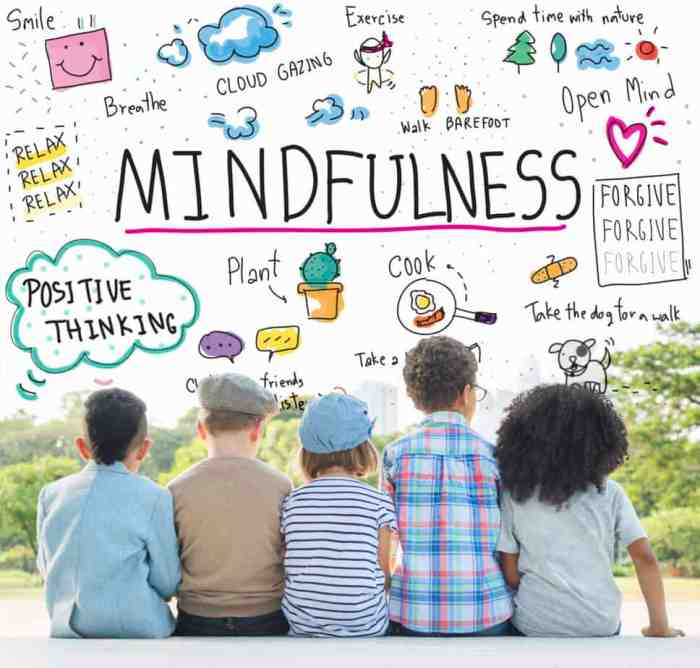
Mindfulness for children is gaining significant attention as a powerful tool for fostering emotional well-being and resilience. This guide explores age-appropriate mindfulness practices, addressing common childhood stressors like anxiety, depression, and sleep disturbances. We’ll delve into practical exercises, guided meditations, and resources to help children cultivate inner peace and navigate life’s challenges with greater ease and self-awareness. The benefits extend beyond stress reduction, encompassing improved focus, emotional regulation, and a stronger sense of self.
Through engaging stories, simple techniques, and helpful tips for parents and caregivers, this guide provides a comprehensive approach to integrating mindfulness into a child’s life. We will examine the role of mindfulness in building resilience, managing difficult emotions, and promoting healthy sleep patterns. We also address the importance of seeking professional support when needed and offer resources for finding qualified therapists.
Introduction to Mindfulness for Children
Mindfulness, the practice of paying attention to the present moment without judgment, offers significant benefits for children’s emotional well-being. By cultivating awareness of their thoughts, feelings, and sensations, children can develop greater self-regulation, resilience, and emotional intelligence. This, in turn, can positively impact their academic performance, social interactions, and overall happiness.Mindfulness helps children navigate the challenges of daily life with greater ease and composure.
It provides them with valuable tools to manage stress, anxiety, and difficult emotions, fostering a sense of calm and inner peace. This is particularly crucial in today’s fast-paced and often overwhelming world.
Age-Appropriate Mindfulness Practices
Introducing mindfulness to children requires a sensitive and age-appropriate approach. Younger children may benefit from shorter, more playful activities, while older children can engage in more complex practices. The key is to make it fun and engaging, ensuring the child feels comfortable and empowered.
- For preschoolers (ages 3-5): Mindful breathing exercises focusing on the sensation of breath entering and leaving the body, combined with simple visualizations like imagining a balloon filling with air and then slowly deflating. Short guided meditations focusing on sounds or textures, using playful language and imagery are also helpful.
- For elementary school children (ages 6-12): Longer guided meditations focusing on body scans, mindful movement like yoga poses, or listening to nature sounds. Mindful eating exercises, paying close attention to the taste, texture, and smell of food, can be introduced. Journaling about feelings and observations can also be a beneficial practice.
- For teenagers (ages 13-18): Mindfulness can be integrated into daily routines, such as before exams or during stressful situations. They can explore more advanced techniques like mindful walking or body scans, combined with self-reflection exercises. Learning to recognize and label their emotions, and developing coping strategies using mindfulness, is crucial at this stage.
Common Childhood Stressors and Mindfulness Solutions
Children face various stressors, from academic pressure and social anxieties to family conflicts and changes in their environment. Mindfulness can be a powerful tool to help them cope with these challenges.
- Academic Pressure: Mindfulness techniques like deep breathing exercises can help children calm their nerves before tests or presentations, reducing anxiety and improving focus.
- Social Anxiety: Practicing mindful breathing and body awareness can help children manage feelings of nervousness during social interactions. Mindful observation of others without judgment can help improve empathy and social skills.
- Family Conflicts: Mindfulness can teach children to observe their emotional responses to conflict without getting swept away by negative feelings. It helps them develop self-compassion and the ability to communicate their needs effectively.
- Changes in Environment: Mindfulness exercises can help children adapt to new situations by focusing on the present moment and accepting the changes rather than resisting them. Mindful observation of their surroundings can help them find positive aspects and create a sense of grounding.
Stress and Anxiety Management in Children
Children, like adults, experience stress and anxiety, although they may express it differently. Understanding the sources of their stress and equipping them with coping mechanisms is crucial for their emotional well-being and healthy development. Mindfulness practices offer a powerful tool to help children navigate these challenges.
Common sources of stress and anxiety for children often stem from school, family dynamics, and social interactions. Academic pressure, such as tests and difficult assignments, can significantly contribute to stress. Family conflicts, parental separation or divorce, and financial difficulties within the family can also create anxiety. Social situations, including bullying, peer pressure, and difficulties making friends, represent another significant source of stress for many children.
The Connection Between Mindfulness and Stress Reduction in Children, Mindfulness for children
Mindfulness helps children develop an increased awareness of their thoughts, feelings, and bodily sensations without judgment. This awareness allows them to recognize when they are feeling stressed or anxious. By understanding these feelings, they can begin to develop strategies for managing them. Mindfulness techniques teach children to observe their emotions rather than reacting impulsively, leading to a more calm and centered response to stressful situations.
Regular mindfulness practice helps children build resilience, enabling them to better cope with future challenges. Studies have shown that mindfulness-based interventions can significantly reduce anxiety symptoms in children. For example, a study published in the Journal of Consulting and Clinical Psychology demonstrated a reduction in anxiety levels in children participating in a mindfulness-based intervention program.
Using Breathing Exercises to Calm Anxiety in Children
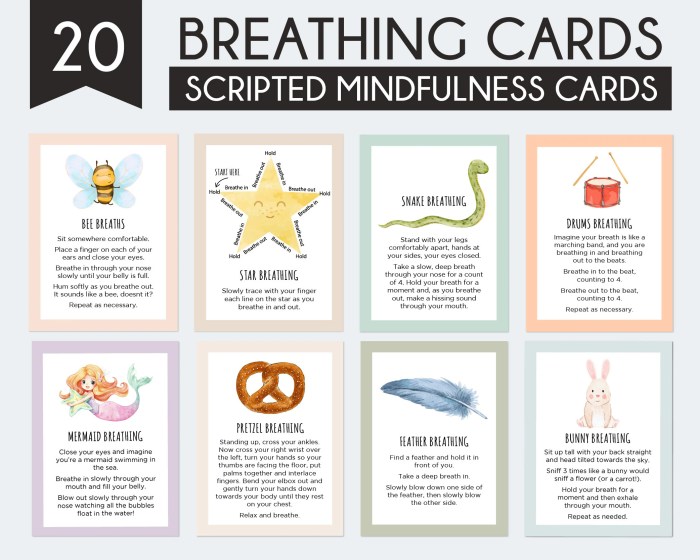
Deep breathing exercises are a simple yet effective mindfulness technique to calm anxiety in children. These exercises help regulate the nervous system, slowing down the heart rate and promoting a sense of relaxation. Teaching children these techniques empowers them to self-regulate their emotions and manage anxious feelings independently.
Here are some simple breathing exercises suitable for children:
- Belly Breathing (or Diaphragmatic Breathing): Lie down or sit comfortably. Place one hand on the chest and the other on the belly. Inhale slowly and deeply through the nose, feeling the belly rise. Exhale slowly through the mouth, feeling the belly fall. Repeat for several minutes.
Children can visualize their belly as a balloon inflating and deflating.
- Lion’s Breath: Sit comfortably with the back straight. Inhale deeply through the nose. Then, open the mouth wide, stick out the tongue, and exhale forcefully, making a “haaa” sound. Repeat several times. This exercise helps release tension in the face and throat.
- Counting Breaths: Inhale slowly and deeply, counting to four. Hold the breath for a count of two. Exhale slowly, counting to six. Repeat this several times. This exercise helps children focus on their breath and promotes relaxation through controlled breathing.
Depression Support Resources for Children
Childhood depression is a serious issue that can significantly impact a child’s development and well-being. Recognizing the signs and seeking help early is crucial for effective treatment and a positive outcome. This section provides information on reliable resources available to parents and children facing this challenge.
Early intervention is vital in addressing childhood depression. Untreated depression can lead to academic difficulties, strained relationships, and increased risk of self-harm or suicidal thoughts. The sooner a child receives appropriate support, the better the chances of a full recovery and improved quality of life. Early intervention often involves a combination of therapy, medication (if necessary), and supportive family involvement.
Reliable Resources for Depression Support
Finding the right resources can be overwhelming, but several organizations offer valuable support and information. The following list provides examples of both online and offline resources that can assist parents and children in navigating the challenges of depression.
- The National Institute of Mental Health (NIMH): This federal agency offers comprehensive information on childhood depression, including symptoms, diagnosis, and treatment options. Their website provides numerous resources for parents and professionals.
- The Child Mind Institute: This non-profit organization focuses on children’s mental health. They provide information, resources, and support for families dealing with depression and other mental health conditions. They also offer a searchable database of therapists.
- The American Academy of Child and Adolescent Psychiatry (AACAP): This professional organization provides information and resources for parents and professionals on various child and adolescent mental health issues, including depression. Their website offers detailed information on diagnosis, treatment, and finding mental health professionals.
- Your Child’s Pediatrician or Family Doctor: These healthcare professionals are often the first point of contact for addressing mental health concerns. They can provide initial assessments, refer to specialists, and offer guidance on treatment options.
- Local Mental Health Clinics and Hospitals: Many communities have mental health clinics or hospitals that offer specialized services for children and adolescents experiencing depression. These facilities often provide therapy, medication management, and support groups.
Supporting a Child with Depression
Parents play a critical role in supporting a child struggling with depression. Providing a loving and understanding environment is essential. Here are some key strategies parents can utilize.
- Create a Safe and Supportive Environment: Ensure your child feels loved, accepted, and understood. Open communication is key; encourage your child to express their feelings without judgment.
- Encourage Professional Help: Seeking professional help from a therapist or psychiatrist is crucial. A mental health professional can provide a proper diagnosis and develop a tailored treatment plan.
- Monitor for Suicidal Thoughts or Behaviors: If you suspect your child is having suicidal thoughts, seek immediate professional help. Contact your child’s doctor, a mental health professional, or a crisis hotline.
- Promote Healthy Habits: Encourage regular sleep, healthy eating, and physical activity. These habits can positively impact mood and overall well-being.
- Practice Patience and Understanding: Recovery from depression takes time and effort. Be patient and supportive throughout the process. Celebrate small victories and acknowledge your child’s progress.
Building Resilience in Children Through Mindfulness
Mindfulness helps children develop resilience by teaching them to manage difficult emotions and navigate challenging situations more effectively. By cultivating present moment awareness, children learn to observe their thoughts and feelings without judgment, fostering a sense of calm and control even amidst stress. This ability to regulate emotions is a cornerstone of resilience.Mindfulness practices equip children with tools to cope with adversity.
Instead of being overwhelmed by negative emotions, they learn to acknowledge them, accept them, and then choose a more constructive response. This process helps build emotional intelligence and reduces the likelihood of reacting impulsively or engaging in unhealthy coping mechanisms.
Mindfulness Activities to Build Resilience
Regular practice of mindfulness activities can significantly strengthen a child’s resilience. These activities help children develop self-awareness, emotional regulation, and a positive outlook, all crucial components of resilience.
- Mindful Breathing: Children can practice simple breathing exercises, such as focusing on the sensation of their breath entering and leaving their nostrils. This can calm the nervous system and reduce feelings of anxiety or overwhelm during stressful situations. For example, counting breaths or visualizing a calming image while breathing deeply can enhance the practice.
- Body Scan Meditation: This involves systematically bringing awareness to different parts of the body, noticing any sensations without judgment. This helps children connect with their physical selves and recognize physical manifestations of stress, such as tension in the shoulders or a racing heart. This awareness allows for proactive stress management techniques.
- Mindful Movement: Activities like yoga or tai chi combine movement with mindfulness, promoting both physical and mental well-being. The focus on the present moment during these activities helps children disconnect from worries and anxieties, fostering a sense of calm and groundedness. A simple example is mindful walking, paying attention to the feeling of feet on the ground.
- Mindful Eating: Paying attention to the taste, texture, and smell of food can help children cultivate present moment awareness and appreciate simple pleasures. This practice can be particularly helpful for children who struggle with emotional eating or use food to cope with stress. A good example is savoring each bite of a favorite snack.
Positive Self-Talk and Mindfulness
Positive self-talk plays a vital role in building resilience. Mindfulness helps children identify and challenge negative self-talk, replacing it with more constructive and supportive inner dialogue. By observing their thoughts without judgment, children learn to distinguish between factual statements and negative self-criticism.For example, instead of thinking “I’m going to fail this test,” a child might learn to reframe the thought as “I’m going to do my best on this test, and I’ve prepared as well as I can.” This shift in perspective can significantly impact their ability to cope with the stress of the test and improve their performance.
Mindfulness techniques, such as meditation, help cultivate this ability to observe and reframe thoughts. The practice helps them detach from the negativity and approach the situation with a more balanced perspective.
By incorporating mindfulness practices into their daily lives, children can develop essential coping mechanisms to navigate the complexities of childhood. This holistic approach empowers them to build resilience, manage stress effectively, and cultivate a deeper understanding of their emotions. Remember, consistent practice and a supportive environment are key to fostering a mindful and thriving child. The journey towards emotional well-being is a continuous process, and this guide offers a starting point for parents, educators, and caregivers to support children on their path to inner peace and self-discovery.
Expert Answers
How long should mindfulness sessions be for young children?
Start with short sessions, 3-5 minutes, gradually increasing as the child’s attention span develops.
What if my child doesn’t seem interested in mindfulness?
Make it fun! Use games, stories, or incorporate mindfulness into daily routines.
Are there any risks associated with mindfulness for children?
Generally, mindfulness is safe, but if a child experiences distress, stop the practice and seek professional guidance.
Can mindfulness help with specific learning difficulties?
Mindfulness can improve focus and attention, potentially benefiting children with learning difficulties. However, it’s not a replacement for professional support.


